

Watering, Moisture and Mulch
Although deep watering is usually best, over watering can also stress your plants. Of course, there will be a lot of variables to take into consideration – such as the amount of rain and other weather conditions. Do a simple moisture test with your finger on the top 2 to 4 inches of soil before you water. Be careful about the watering tips you see circulating on the internet or in Youtube videos!
Different plants need different kinds of watering. Some veggies need more frequent and deeper watering than others. Seeds and seedlings need to be constantly moist. Although deep watering is best, over watering can also stress your plants, making good drainage essential. Of course, there will be a lot of variables to take into consideration – such as the amount of rain and other weather conditions. Do a simple moisture test with your finger on the top 2 to 4 inches of soil before you water. Be careful about the watering tips you see circulating on the internet or in YouTube videos!
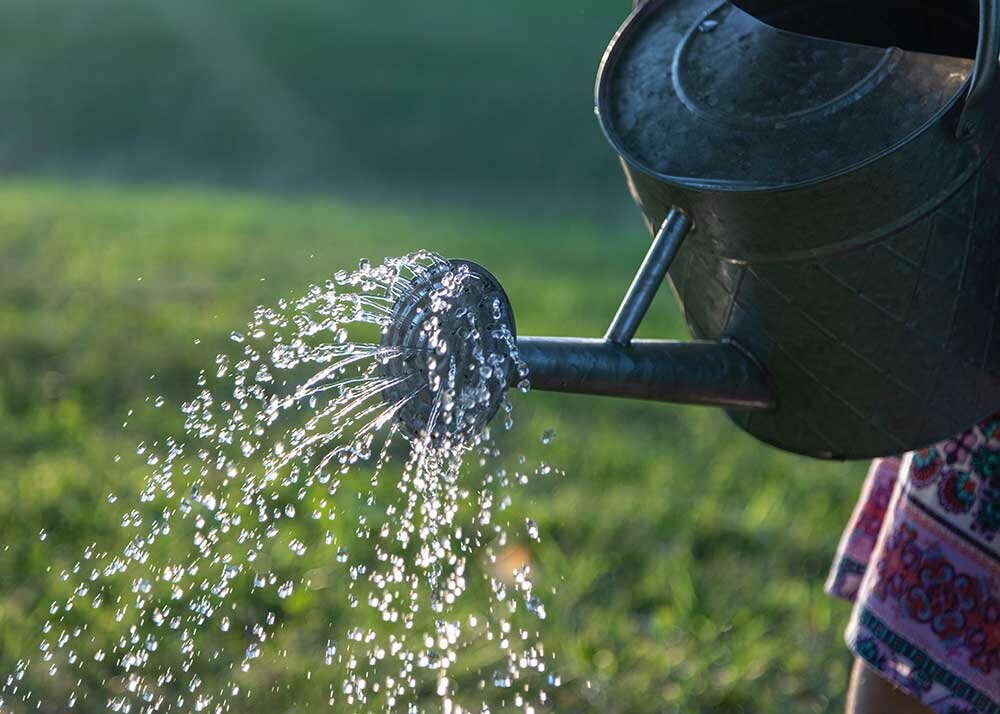
Proper watering is critical to plant health
Just as soil health depends on the latest soil science – the same is true of about watering edible plants. The Deep Roots method creates the best environment for your plants because our compost used as soil has good drainage and lets the water get to the plant roots quickly. We recommend installing drip irrigation if you don’t have time to water or go out of town often. Take time to correctly set the irrigation timing and amount. Past the seedling stage water deeply 2 or 3 times a week so the roots grow deep. Test soil moisture with your finger 2 to 3 inches down.
Cover soil with mulch.
Save water and time: Retaining as much moisture as possible saves watering time and keeps your plant healthy and happy. Plants grow faster and get bigger harvests if protected from temperature and dehydration. The two best options for mulching vegetable gardens are either a one inch layer of our organic leaf mulch, which you can purchase in our webstore, or organic straw mulch. Don’t use hay since it adds unwanted weed seeds to your garden. Never use any mulch that is not organic, as it could contain herbicides or pesticides which can ruin your garden and severely damage your plants.
Sourcing straw mulch can be a challenge. You can grow Miscanthus grass and allow it to overwinter, cutting it down in the fall. If you don’t have space for this, you may wish to purchase organic straw mulch from garden centers. Since certified organic straw mulch is hard to find, we recommend that you speak with local garden center owners to find out if the straw they sell is grown on farms that are functionally organic, even if they may not be certified. Once such center selling straw mulch from a local farm is The Feed Store, 5408 S. Harlem, Summit IL 60501, (708) 458-1327. Closed on Wednesdays.
Seed watering tips
When direct sowing seeds in your garden, keeping them moist is essential — peek under your mulch and if the soil looks and feels dry on the surface, go ahead and water. Daily is best, mornings are ideal. When you are planting in Deep Roots compost in raised beds or containers with good drainage, overwatering isn’t a big concern. However, if you are direct sowing in a growing medium or vessel that doesn’t drain well, you’ll need to be careful that your seeds don’t become waterlogged which can cause them to rot. Learn through observation the difference between soil that is moist, and waterlogged soil which is more like mud. You want moist soil, not soil soup.
If conditions are exceptionally hot, dry, or windy, check the soil moisture and consider a second light watering to prevent the soil from drying out. Water gently so you do not wash seeds out of place, and always check the soil before watering again. Raised beds and containers dry out faster than in-ground beds, so they usually need more frequent attention.
Transplanted seedlings watering tips
When you have just transplanted new seedlings into your garden, they should be kept moist consistently just like your direct sown seeds. Mulch around new seedlings and water whenever the soil under the mulch appears dry. If you are unsure, touch the surface. Keep up watering whenever the first inch or so is dry until you start to see new growth on the plant that wasn’t there when you transplanted it.
DON’T water mature plants a little everyday!
You have been watering daily early in the season as seeds are being sown and new seedlings are going into the garden. But once those plants are established, DON’T keep watering every day. It promotes shallow roots. One of the worst practices is to water your garden lightly every day or every few days. This frequent sprinkling provides water to only the top layer of the soil and promotes shallow root systems. Instead, water deeply whenever the top two inches of soil is dry.
Simple, standard suggestions like: water every day and “make sure you give your plants an inch of water each week” are now being questioned and re-evaluated. Because the plant’s roots are not close to the soil surface, we now know that the water needs to get deep enough and the roots need to have enough time to soak it up to allow the plants to develop deep root systems that are necessary to be healthy.
While overwatering, and waterlogging, can stress plants out, the risk of this is low if you are using Deep Roots compost as your growing medium and have a well-draining raised bed or vessel. If your vessels don’t have good drainage, or your not sure how well your soil drains, you should observe how long it takes your garden to drain after a heavy rain.
If top 2 inches of soil feels dry it’s time to water. Soak the soil to a depth of 4 to 6 inches. Test for soil moisture also after you water. It can take some time if you are watering with a hose, but it is worth it to do this deep watering less frequently to encourage root development.
Overhead watering (sprinklers) is the least efficient and least preferred method of watering. Far too much of the water is lost to evaporation, and the water tends to sit on the plants instead of making it to the soil, which can lead to fungal issues. Apply water directly to the soil, not the plants, with a soaker hose, drip irrigation, watering can or watering wand.
Watering tips from our horticulturist
Some conventional soils can have drainage problems, so too much water does not allow plant roots to breathe and will cause plants to wilt from lack of oxygen.
Don’t water too fast. Water gently at all times. When watering with a hose, avoid a hard stream of water, which risks injuring your plants and the soil. Use a steady, gentle shower of water instead – but only on the soil, not the plants.
If you are using municipal water, put a water filter on your hose or water source. Municipal water often has levels of chlorine that kill essential microorganisms. There are also many harmful pollutants in some city water. Chlorine filters used for RV water intakes are available online and can be connected directly to your hose.
Lack of water stresses plants. Drought may produce stunted fruit, produce no fruit at all, or may produce tasteless, woody, or unpalatable fruit.
Over watering stresses plants. Over watering can cause as much stress as severe drought. Too much water will saturate soils, displace air which starves the roots of oxygen. The compost Deep Roots used instead of conventional soil (Microbe Rich Compost) has good drainage properties.
Keep SEEDS moist at all times. Germinating seeds must be constantly moist. Watering seeds twice a day may be needed on dry hot days. It’s easiest to let drip irrigation water your seeds. Some gardeners without irrigation have found a work-around that saves time and constant attention.
Place a board or large tiles over tiny carrot seeds. This keeps the moisture in the soil longer, even longer than a standard mulch, and protects them from being washed away by heavy rain. Make note of how many days it takes for the first sign of germination. Check the seeds everyday when it is close to germination. Remove the cover when the first seed sprouts. Some seeds will sprout sooner and some later. Carrot seeds are very tiny and need to be kept constantly moisturized more carefully. Once you see them sprout, remove the board and add your mulch.
Keep SEEDLINGS moist at all times and water daily or more often for 2 weeks. When the seedling is at least 5 inches tall its roots are stronger and constant monitoring is not necessary. Test soil before and after watering and water gently and deeply as needed.
Don’t over water seeds! Finding the right amount of water for your seeds is difficult. Not enough and they will not germinate - BUT too much and they could rot. Just to be safe - water seeds lightly twice a day - you just need to moisten the top layer.
When plant leaves wilt on a very hot day, it could be from the heat and not lack of water. If you are following all the above tips, the wilting is likely from heat and not lack of water. In this case, try a shade clothe instead of more water.
Prune off lower foliage of plants prone to fungal diseases that prefer damp environments like powdery mildew on cucumbers and squash) and like tomato blights. Water very close to the soil with a watering wand on a hose or a watering can. Avoid wetting the leaves. Water early in the day
Health of mature plants is dependent on correct watering. Remember that large plants need a lot more water than seedlings. We want mature plants to have deeper roots that suck lots of water out of the soil.
A drip irrigation system nurtures healthier plants and less stressed gardeners. If you can’t or don’t want to water and monitor your soil moisture constantly get a drip irrigation system. Drip irrigation should be the watering method of choice. It will save you time and make your plants stronger, happier and healthier. The larger your garden the more critical drip irrigation becomes. Contact the Deep Roots team for advice on installing the new system we designed.Seed watering tips
Use our Planting Calendar blog posts for more useful seed starting tips like spring/ simmer/fall planting dates, soil temperature, temperature tolerances, direct seed vs transplants, seed depth, sunlight, and days to maturity. Choose from 9 planting calendar blog posts organized by crop group on our Planting Calendar and Climate blog category page: brassicas, cucurbits, fruiting crops, leafy greens, legumes, root crops, herbs, and berries.
“Grow Your Own Food” blog posts
Questions, comments, suggestions? We’d love to hear from you! Send photos of your garden too!
See the full list of our Grow Your Own Food blog posts. Our blog posts are divided into 6 categories – each with its own page of blog post photos and summaries.
Questions, comments, suggestions? We’d love to hear from you! If you need a quick answer to a gardening question give us a call or send a text. We are here to solve your gardening problems. Please call OR text our Customer Service team at 708-655-5299 OR send an email to: support@deep-roots-project.org.
Deep Roots online store
See our online store for details about prices, ordering and delivery of raised beds, planter boxes, microbe-rich compost, worm castings, leaf mulch and more. We don’t sell traditional soil, since we use 100% compost as our growing medium. Our online store has 2 sections – (1) raised beds and planter boxes and (2) compost, worm castings, fertilizer.
Please contact our customer support team before placing an order online so we can assist you with the details and answer your gardening questions. You can pay by credit card on the store or by check.
(708) 655-5299 and support[at]deep-roots-project.org
Gardening connects you to the Earth. Our community connects you to each other.
SIGN UP FOR OUR NEWSLETTER
(Use green rectangle and white type button style)
Please leave your cell phone number when you sign up for our eNewsletter, if you want text message announcements now and then.
Donations help us provide organic kitchen gardening education to individuals, organizations, and entire communities. Thank you in advance for contributing to our community and for sharing our website and blog with friends and family.
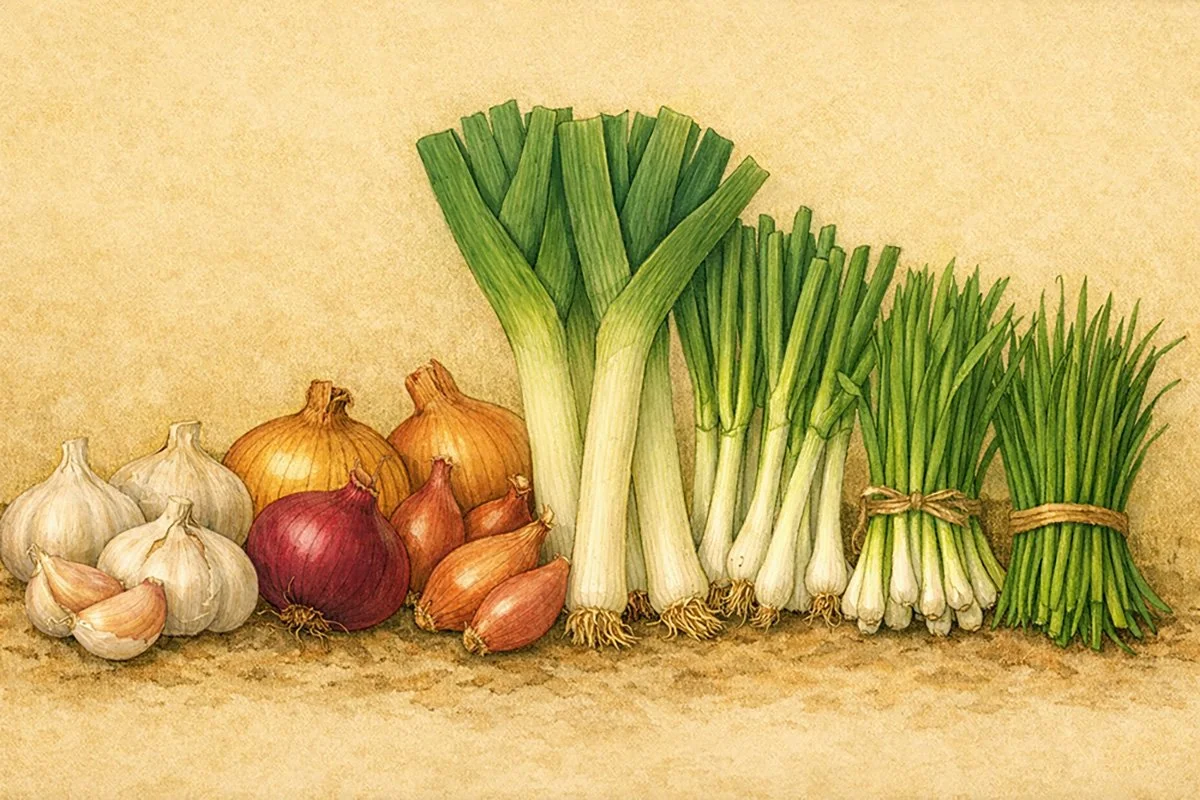
Growing Garlic, Onions & Alliums
Garlic and onions are often casually grouped with root vegetables — but that is botanically incorrect. Garlic, onions, shallots, leeks, scallions, and chives all belong to the allium family: plants that grow as bulbs, which are modified stems surrounded by fleshy leaf bases.
When grown in loose, soil with modest fertility, alliums reward gardeners with large bulbs, excellent flavor, and long storage life. The best soil is a blend of low nutrient organic potting soil and our high nutrient compost. Gardeners buy the potting soil at a local vendor and we give them some PhoSul fertilizer to join our testing team.
What Are Alliums?
Garlic and onions are often casually grouped with root vegetables — but that is botanically incorrect. Garlic, onions, shallots, leeks, scallions, and chives all belong to the allium family: plants that grow as bulbs, which are modified stems surrounded by fleshy leaf bases. The underground bulb we harvest is not a root at all, but a tightly layered structure formed from swollen leaf bases attached to a small root plate.
This distinction matters for how we grow them. Root crops expand underground storage roots, while alliums build layered bulbs in response to seasonal signals — a combination of cold exposure, soil conditions, and day length. Because allium roots stay shallow, they cannot forage for nutrients deeper down and depend entirely on whatever is in the top layer of soil. Good soil structure and a healthy microbial environment are therefore essential.
When grown in loose, somewhat fertile soil rich in organic matter, alliums reward gardeners with large bulbs, excellent flavor, and long storage life. In many ways, alliums are indicators of how well the underground ecosystem is functioning. Garlic and alliums thrive with less nutrients (especially nitrogen) than fruiting and leafy veggies above ground.
Garlic Planting & Care Calendar
Fall Planting: Garlic is one of the simplest and most rewarding crops to plant in fall. The goal is to give each clove time to root before the ground freezes, without encouraging much top growth before winter. Plant garlic about 3–4 weeks before the ground freezes, ideally after the first hard frost. In Zone 6a, this typically means mid-October to early November. The cold exposure triggers proper bulb formation. Plant cloves pointed-end up, about 2 inches deep and space them about 6 inches apart.
Hardneck garlic: For colder climates like Zones 5b–6a, hardneck garlic is usually the best choice. It handles winter well and produces the bold flavor many gardeners are looking for.
Soil blend: With garlic, more nutrients is not always better. A strong start, a light touch, and healthy soil do most of the work. Don’t add compost or worm castings into garlic planting holes as we do for leafy and fruiting veggies. Too much compost (above 40%) retains excess moisture and raises the risk of bulb rot. Very high nutrients keep garlic bulbs small. Soil pH between 6.0 and 7.0 is best Mix 30% Deep Root high-nutrient compost with 70% low-nutrient organic potting soil. We don’t sell root veggie soil in the Deep Roots online store.
PhoSul fertilizer: We will give you a free small pouch of PhoSul fertilizer that works well with root veggies and alliums. The free PhoSul makes you part of our root veggie and allium testing team. Please report your harvest in weight and in photos. Add a small amount of PhoSul fertilizer – at most an 1/8 teaspoon – in the planting holes. Phosphorus supports early root development, and sulfur is especially valuable for alliums, helping build the flavor and natural protective compounds that make garlic such a standout crop. PhoSul is gentle, so even slightly more won’t matter.
Straw mulch: After planting, cover the bed with 2 to 4 inches of straw mulch to help regulate soil temperature, reduce frost heaving, and suppress early weeds.
Spring “top-dress” fertilizing: In spring, when garlic shoots reach about 4 to 6 inches tall, spread across the entire garlic bed surface a half inch layer of our high nutrient compost and worm castings. Garlic’s feeder roots spread outward not down, so a gentle bed-wide top-dress works better than fertilizing only at the stem.
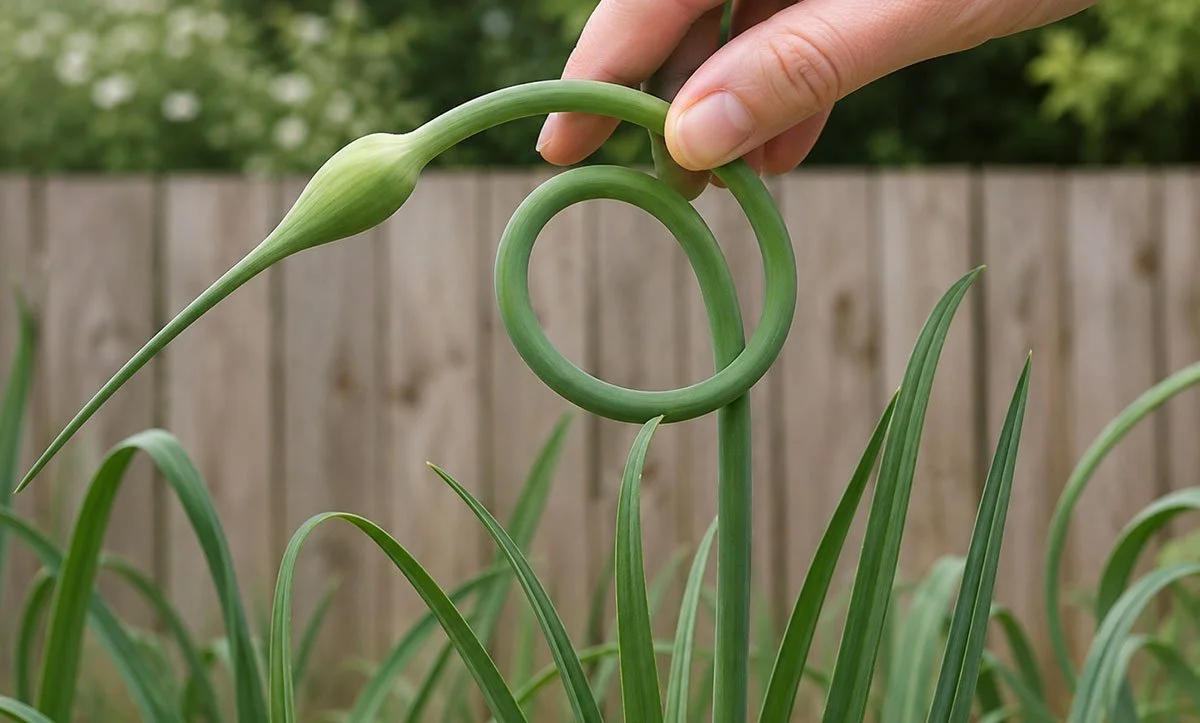
June Garlic Scape Removal: Hardneck garlic sends up a curling flower stalk called a “scape” in early summer. Wait until the scape begins twisting and forms about one full curl, then snap or cut it off. At this stage, the scape is tender, flavorful, and mature enough to harvest. If left longer, it may eventually flower, which diverts energy away from the bulb. To remove the scape, use clean scissors or garden shears and cut the stalk as low as you can without damaging the surrounding leaves. The leaves are still feeding the bulb, so avoid crushing or cutting them. Removing the scape helps the plant send more energy into bulb growth and can noticeably increase bulb size. Scapes are also a delicious early garlic harvest, with a mild, sweet garlic flavor and tender-crisp texture. Use them sautéed, grilled, in stir-fries, or blended into pesto..
Spring and early summer watering: During spring and early summer, garlic benefits from consistent moisture while the bulbs are expanding. As harvest approaches, stop watering completely about two weeks before you plan to harvest. This allows the bulb’s outer wrapper layers to dry and paper over properly — essential for quality and long storage.
July Garlic Harvest: Harvest when one-third to one-half of the lower leaves have turned brown while the upper leaves are still green. Do not wait for full browning — by then the protective wrapper has often begun to deteriorate and cloves may be separating. Loosen bulbs gently with a garden fork rather than pulling by the stem. Brush off loose soil but do not wash.
After Harvest Curing Garlic: Hang bulbs or lay them in a single layer in a shaded, well-ventilated spot for 3–4 weeks. Proper curing converts fresh-dug garlic into shelf-stable bulbs that store for months. Once fully cured, trim the roots and stems and store in a cool, dry location with good air circulation — never in sealed plastic.
Onions and Other Alliums
Garlic shares its family with onions, shallots, leeks, scallions, and chives. All share key characteristics: they grow from bulbs or bulb-like bases, have shallow root systems, and prefer loose, fertile soils rich in organic matter. Like garlic, they rely on temperature and day length to trigger bulb development. Well-prepared Deep Roots beds with 30% balanced high-nutrient compost and 70% low-nutrient root soil content serve all alliums well.
Like garlic, many edible and ornamental alliums are best planted in the fall (September through November) to allow roots to establish before winter, ensuring they bloom or harvest the following spring/summer. Key fall-planted alliums include shallots, leeks, perennial onions, and chives, .
Edible Alliums (Fall Planting):
Shallots: Planted in late September or October for early harvests.
Leeks: Hardy varieties can be planted to establish roots for spring growth.
Chives: Fall planting allows this perennial herb to return early, providing fresh leaves and purple flowers.
Perennial Onions (Potato/Multiplier Onions): Planted in September or October.
Fall Planting: The ideal time is after the first frost, but before the ground completely freezes. This usually falls between September and November depending on your hardiness zone. Plant in full sun (at least 6 hours) in well-drained soil to avoid bulb rot.
Companion Planting Garlic & Spinach
Garlic and spinach make excellent companions in fall-planted beds. Garlic’s scent deters pests like aphids that bother leafy greens, providing natural protection for the spinach in spring.
Plant garlic cloves and spinach seeds in the same bed in mid-October to early November.
Spinach sown in fall will overwinter under mulch or germinate early in spring, maturing well before garlic needs the full bed.
Inter-plant spinach between rows of garlic. Spinach can be harvested by May or early June — long before the July garlic harvest.
Use hardneck garlic varieties, which are better suited to Zone 5b and 6a winters.
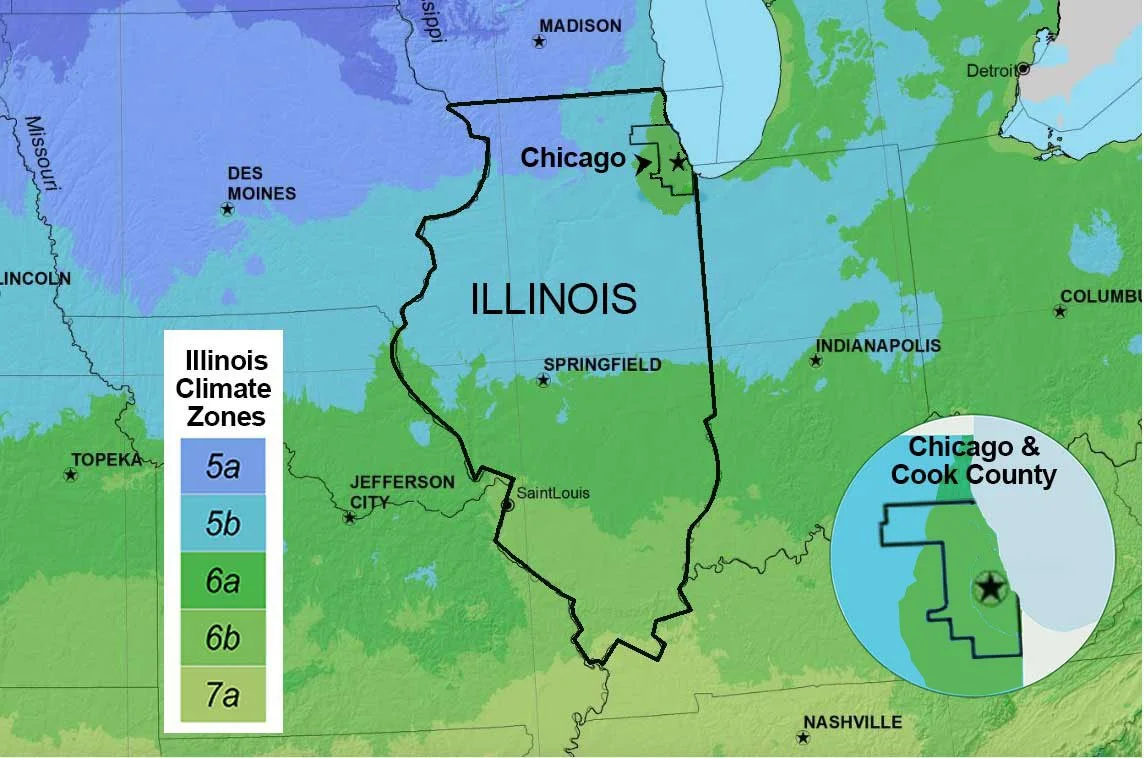
Planting Calendar Climate Zone 6a
Most gardeners in the Chicago area are now considered Zone 6a, due in part to the warming effects of Lake Michigan and long-term climate change.
Most gardeners in the Chicago area are now considered Zone 6a, due in part to the warming effects of Lake Michigan and long-term climate change. The lake moderates temperatures, creating slightly warmer winters and cooler summers, especially in the city and nearby suburbs. This shift means that older planting calendars based strictly on Zone 5b are no longer fully accurate for many gardeners in our area. It’s time to Unleash Your Green Thumb.
Planting Calendars Zone 6a
A reliable way to decide when to plant
Checkout Our Calendars for each Plant Family Later in this Post!
The United States is divided into 13 plant hardiness zones based on average winter temperatures. These zones help gardeners understand what can survive in their region, but they don’t tell the whole story about when to plant. If you want a deeper explanation, see our blog post What Are Climate Zones?
Most gardeners in the Chicago area are now considered Zone 6a, due in part to the warming effects of Lake Michigan and long-term climate change. The lake moderates temperatures, creating slightly warmer winters and cooler summers, especially in the city and nearby suburbs. This shift means that older planting calendars based strictly on Zone 5b are no longer fully accurate for many gardeners in our area.
Frost dates alone are not reliable
For many years, planting calendars have been based on average frost dates. In northern Illinois, the last spring frost typically occurs in early to mid-May, and the first fall frost arrives in early to mid-October. These dates still provide a rough framework, but they are no longer reliable enough on their own. Weather patterns have become more unpredictable, and planting too early or too late based on calendar dates alone can lead to disappointing results.
Soil temperature is dependable.
Because of this, we are shifting to a more dependable approach: soil temperature. Soil temperature is one of the most important factors for seed germination and plant growth. Cool-season crops can be planted in cooler soil, while warm-season crops require much warmer conditions to grow successfully. In our updated planting calendars, we include both ideal soil temperatures (to help you decide when to plant) and temperature tolerances (to show what each crop can survive). This gives you a more flexible and accurate system that adapts to real conditions in your garden.
Planting dates are really planting windows
The planting dates in our charts should be viewed as planting windows, not exact deadlines. Beginners should plant toward the warmer end of each window to reduce risk. More experienced gardeners can take advantage of earlier or later planting by using simple tools like row covers and cold frames. Over time, you will learn how to adjust planting based on weather patterns, soil conditions, and experience.
Raised beds are especially helpful for managing these variables. They warm up faster in the spring, drain well, and can be easily covered during cold nights. Even a lightweight row cover can provide a few degrees of protection, while heavier covers can extend your season even further. These tools allow you to plant earlier in spring and continue harvesting later into fall.
Root veggies need their own soil
One of the most important things we’ve learned at Deep Roots is that not all vegetables should be grown in the same soil. Most crops thrive in our microbe-rich compost beds, but root crops and alliums—like carrots, beets, garlic, and onions—do not perform well in high-nutrient compost. Instead, they grow best in a more balanced mineral soil. This season, we are introducing a new root veggie soil system along with a phosphorus-based fertilizer (PhoSul), and we invite gardeners to test this approach with us. You can learn more in our Root Veggie Growing Method blog post.
Calendars for each Plant Family
To make everything easier to use, we’ve reorganized our planting calendars into separate plant families, each with its own page. This makes the information much easier to navigate and allows you to focus on one group of crops at a time. Each planting calendar includes two simple tables: one for planting and setup, and one for growing conditions. Together, they provide everything you need to get started.
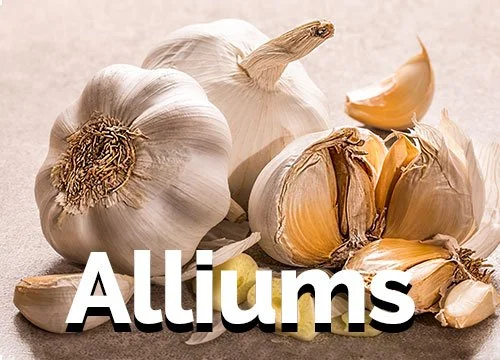
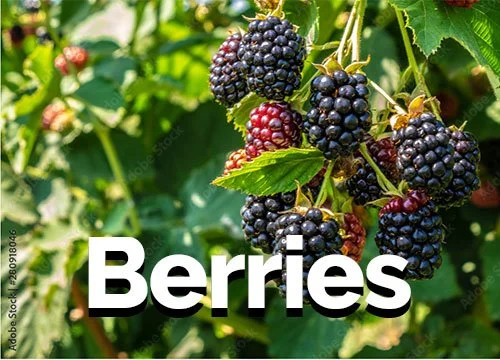
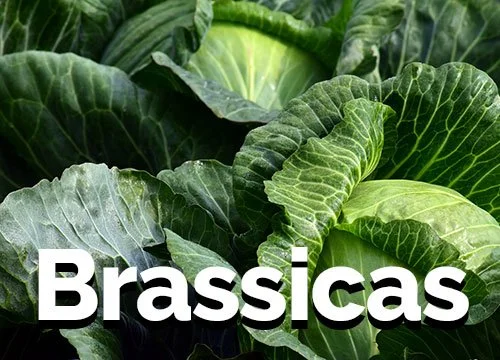
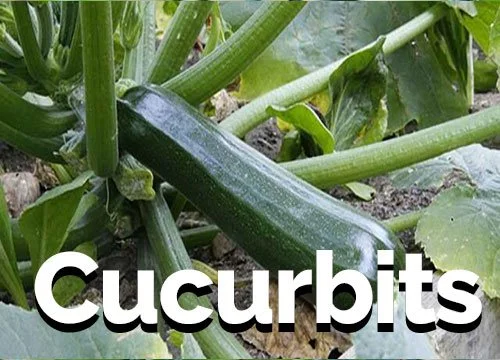
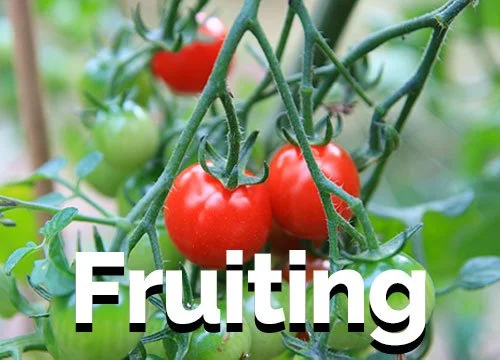
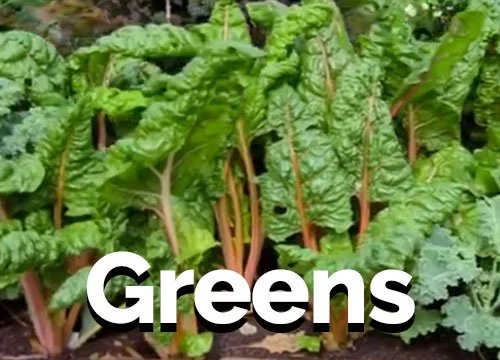
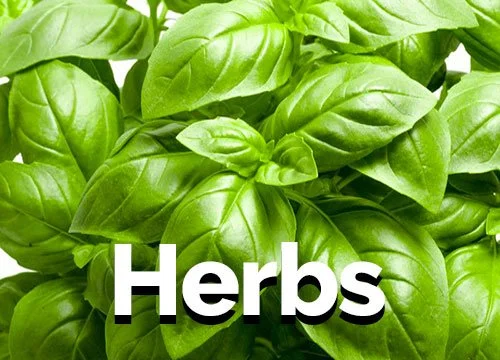
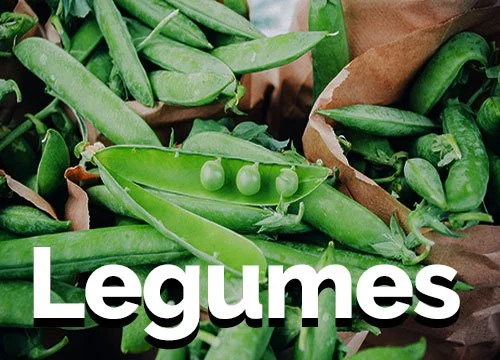
The plant families are: Brassicas, Cucurbits, Fruiting Plants, Leafy Greens, Legumes, Root Crops, Herbs, Berries and Alliums.
These calendars are based on averages and general patterns, so always check your seed packets for specific details about each variety. Some crops can tolerate cold and be planted early, while others require warm soil to grow at all. Understanding the difference between what a plant can survive and what it needs to thrive is one of the most important skills you can develop as a gardener.
Deep Roots gardening is not about doing more—it’s about doing the right things at the right time. By paying attention to soil temperature, planting windows, and the specific needs of each crop, you can grow healthier plants, reduce risk, and enjoy more consistent harvests year after year.
Explore the Planting Calendars
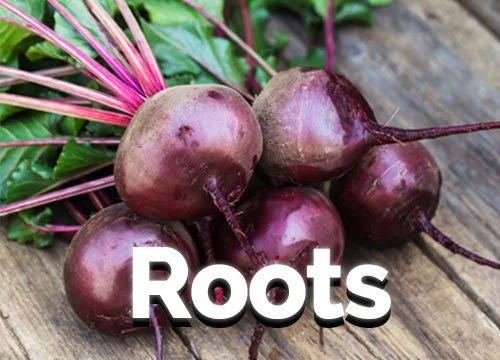
Growing Root Vegetables - A New Method
Use a dedicated bed and a different soil to grow root vegetables - Deep Roots explains why.
If you’ve been growing tomatoes, greens, and herbs in 100% Deep Roots microbe-rich compost and loving the results — this post is not asking you to change a thing. Your compost method is exactly right for those above ground crops. This post is about one important exception – root vegetables which need low nutrient loose organic potting soil. We are giving a new roo veggie fertilizer to our gardeners who agree to test this new method by following our growing instructions and reporting their harvest with veggie weight and photos.
Why root crops need low nutrient soil
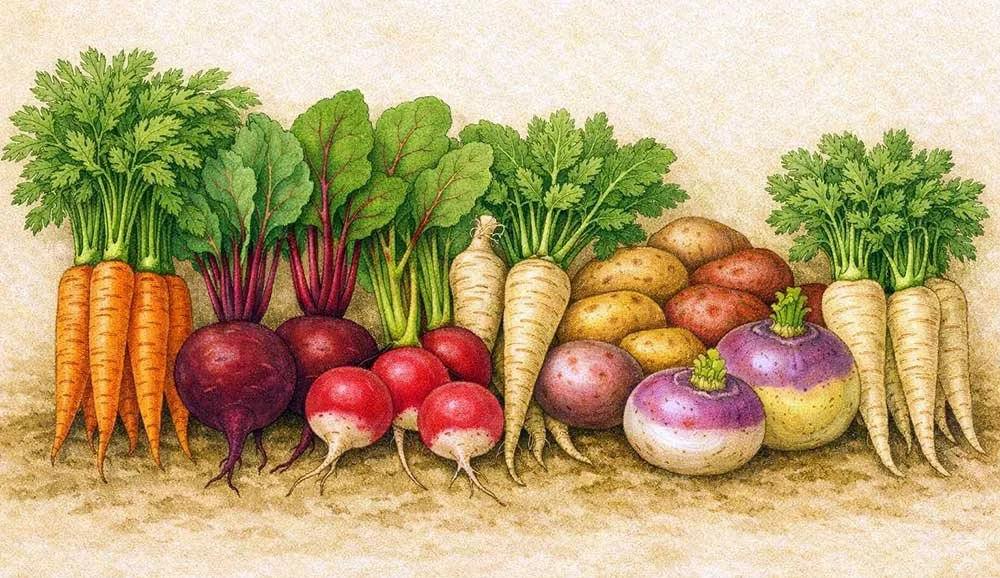
Root veggie rules: Carrots, beets, radishes, parsnips, turnips, sweet potatoes, potatoes and rutabagas play by different rules than everything else in your garden. The very richness that makes Deep Roots 100% compost great soil for tomatoes and above ground veggies works against root crops. High nutrients grow tiny roots. The good news: the fix is simple, and Deep Roots has made it even simpler by doing most of the prep work for you. Our blog posts on growing carrits, sweet potatoes and potatoes is comig soon. Learn more in our blog post on Growing Garlic, Onions and Alliums.
Roots store energy. Root crops aren’t trying to grow fast — they’re trying to store energy underground. Carrots, beets, radishes and parsnips only do that when they receive a specific signal that says “nutrients are present, but limited.” When nitrogen is too high — as it often is in manure-based compost — that signal never comes. Instead, the plant keeps putting all its plentiful energy into leaves. This is why gardeners sometimes see beautiful, bushy tops and disappointingly small roots. The plant is doing exactly what the soil chemistry is telling it to do.
Loamy & well-drained soil. The ideal soil is low-nutrient, loose organic sandy loam or potting soil. The pure compost Deep Roots uses as soil for above ground veggies lacks the mineral structure that root crops evolved in and holds too much water, dries unevenly, and encourages shallow or forked rooting. Also, don’t mix sand with sticky clumpy clay soil. The tiny particles of sand and clay bind together and change the soft clumps into very hard clumps.
PhoSul root crop fertilizer. When you test our free root fertilizser you become a member of our new root veggie method testing team. Just keep track of how many crops planted and the amound of the harvest . Take photos and weigh the harvested veggies. More details on PhoSul is below.
The solution: one dedicated root veggie bed
Root vegetables evolved in mineral soils with only modest organic matter. You don’t need to change your existing beds at all. Simply set up one dedicated root vegetable bed or large container with a low-nutrient soil. We are now testing difference blends of potting soil and sandy loam that will give roots exactly the growing environment they need. Reserve a separate container or area in your root veggie bed for the sifted soil carrots need.
Low nitrogen — Nitrogen is the plant nutrient that encourages leafy green growth. Root vegetables need some nitrogen, but too much can cause big tops and small roots. This soil is kept low in nitrogen so carrots, beets, parsnips, turnips and other root crops are encouraged to put more energy into the part you harvest: the root.
Mineral structure — “Mineral structure” means the soil contains the small mineral particles that give soil body and shape. Root vegetables need soil that is firm enough to support them, but loose enough for roots to push through. This helps carrots, beets, parsnips and turnips grow deeper, straighter and more evenly.
Low soluble salts — “Soluble salts” are minerals and nutrients dissolved in soil water. A little is normal, but too much can make it harder for young roots to take up water. This soil is designed to be low in soluble salts so roots can drink water more easily and expand without stress.
Good drainage — “Drainage” means how well extra water moves out of the soil. Root vegetables like steady moisture, but they do not like sitting in soggy soil. Good drainage helps prevent rotting, shallow growth and forked or twisted roots.
PhoSul: your new root veggie fertilizer
PhoSul is an OMRI-certified organic fertilizer made from rock phosphate and elemental sulfur. It contains no nitrogen. Phosphorus is the nutrient most responsible for root development in carrots, beets, parsnips, and turnips. PhoSul also releases calcium and silica as it breaks down, which gradually improves soil structure season after season. PhoSul fertilizerpurposefully incorporates sulfur to assist with nutrient release.
Build-and-maintain amendment: The best part is that PhoSul doesn’t leach out or the soil with water. Unlike nitrogen, which washes below the root zone every time you water, phosphorus bonds to soil particles and stays put. This means it builds a slow-releasing reserve your root crops can draw on all season long — without constant reapplication. Think of PhoSul as a build-and-maintain amendment, not a seasonal fertilizer you must continually renew. Instead, top it up lightly once a year, and over two to three seasons the bed will develop a stable phosphorus bank that works quietly beneath your root crops all season long.
To apply PhoSul: Put a pinch (1/8 teaspoon) of PhoSul in your planting hole for seedlings and seeds. It is very gentle and a little extra will not matter. When you buy our root soil, we will give you a small ziplock bag of PhoSul to add in at planting.
Carrots need loose soil without obstructions
Carrots need soil that is deep, loose and obstruction free to allow them to grow straight, large, and dense roots. To prevent forked and misshapen carrots, sift out wood chips, sticks, pebbles and other obstructions. Reserve a separate container or area in your root veggie bed for the sifted soil carrots need. Contact Deep Roots customer support to borrow our easy-to-use soil sifting tool that our carpenter created. Learn more in our blog post “Growing Carrots” (coming soon).
Garlic and Onions are NOT root crops
Garlic, onions, chives, leeks, shallots are alliums. It’s ideal soil and fertilizer has similarities to BOTH root veggies and above ground (fruiting and leafy) veggies. Garlic and other alliums require some nutrient rich compost in their soil, generous organic matter, and good nitrogen levels in early spring to grow large bulbs. The Deep Roots compost-rich beds your tomatoes thrive in are too nutrient-rich for garlic and cause tiny under-developed bulbs. Learn the details in our blog post Planting Garlic, Onions and Alliums.
Alliums need a soil blend: The solution is growing garlic and other alliums in their own bed or container using a soil blend of 30% Deep Roots high nutrient compost and 70% low nutrient potting soil. We like “Back to the Roots Organic All Purpose Potting MixPremium Blend”. Plant garlic cloves 22 inches deep in fall (late-October to mid November), apply a pinch of PhoSul fertilizer next to the clove and mulch with 2–4 inches of straw. In spring when seedlings reach 4–6 inches tall, top-dress (spread on all soil growing alliums) about a half inch of our compost. Harvest garlic when one-third to half of the leaves have browned.
Soil Blends for Potatoes and Sweet Potatoes
Like Alliums potatoes and sweet potatoes prefer well-drained low-nutrient loose topsoil, and DO NOT require large quantities of organic matter. Again “Back to the Roots Organic All Purpose Potting Mix” is a reliable choice. Over-fertilization tends to produce foliage instead of roots. A leaner nutrient soil is best.
Regular Potato Soil Blend: Mix 50% high-quality low-nutrient potting soil, 30% Deep Roots high-nutrient compost, 20% Deep Roots dense leaf mulch and potassium fertilizer like “Kelp Meal” or “Sulfate of Potash” Blend thoroughly, then fill beds or containers with loose, well-drained soil. This gives regular potatoes enough fertility without making the mix overly heavy. Learn the details in our blog post “Growing Potatoes” (coming soon).
Sweet Potato Soil Blend: Mix 5 parts low nutrient potting soil with 1 part nutrient-rich compost. Keep the blend light and only moderately fertile, since sweet potatoes produce better roots in leaner soil and too much nutrient richness can lead to excess vine growth. Learn the details in our blog post “Growing Sweet Potatoes” (coming soon).
Starting and Transplanting Root Vegetable Seedlings
Root vegetables that can be started indoors and transplanted include leeks, onions, and specifically "Clancy" variety potatoes, as they are less sensitive to root disturbance than others. Beets can sometimes be started indoors if transplanted very early, but most root crops like carrots, radishes, and parsnips are best direct-sown outside.
Root Vegetables for Indoor Starting
Leeks: Start 8-10 weeks before the last frost, as they handle transplanting well.
Onions: Can be started indoors 8-10 weeks early, with tops trimmed to 3 inches for stronger, transplant-ready plants.
Potatoes ('Clancy' variety): These can be started from seed indoors.
Beets: Generally better direct-sown, but can be started indoors and carefully separated if moved while small.
Why Most Root Crops Dislike Transplanting
Root vegetables develop a single taproot that is very sensitive to disturbance. Transplanting them often causes stunted, misshapen, or split roots. Tips for Success: Use biodegradable pots (like peat pots) to minimize root disturbance during the move to the garden. Ensure all plants are properly hardened off before moving them outside. For root crops that must be direct-sown (carrots, radishes, turnips), it is best to do so as soon as the soil can be worked.
What to expect
Learning to grow root crops is not a complicated change. Use dedicated beds or containers, filled with organic potting soil or a blend of potting soil and our compost. Everything else about your gardening stays the same. Your compost beds keep doing what they do best for tomatoes and greens. Your root veggie bed gets the low nutirent environment that finally lets carrots be carrots and beets be beets.
Plant something. Feed something. Protect something.
Deep Roots Project is here for every step of the journey.
“Grow Your Own Food” blog posts
See the full list of our Grow Your Own Food blog posts. Each post is assigned ”tags” which are under the post title. If you need a quick answer to a gardening question give us a call or send a text to our customer support team – support[at]deep-roots-project.org AND 708-655-5299.
Deep Roots online store
See our online store for details about prices, ordering and delivery of raised beds, planter boxes, microbe-rich compost, worm castings, leaf mulch and more. We don’t sell traditional soil, since we use 100% compost as our growing medium. Our online store has 2 sections – (1) raised beds and planter boxes and (2) compost, worm castings, fertilizer.
Please contact our customer support team before placing an order online so we can assist you with the details and answer your gardening questions. You can pay by credit card in the store or by check.
(708) 655-5299 and support[at]deep-roots-project.org
Sign up for our newsletter
Please leave your cell phone number when you sign up for our eNewsletter, if you want text message announcements now and then.
Donations help us provide organic kitchen gardening education to individuals, organizations, and entire communities. Thank you in advance for contributing to our community and for sharing our website and blog with friends and family.
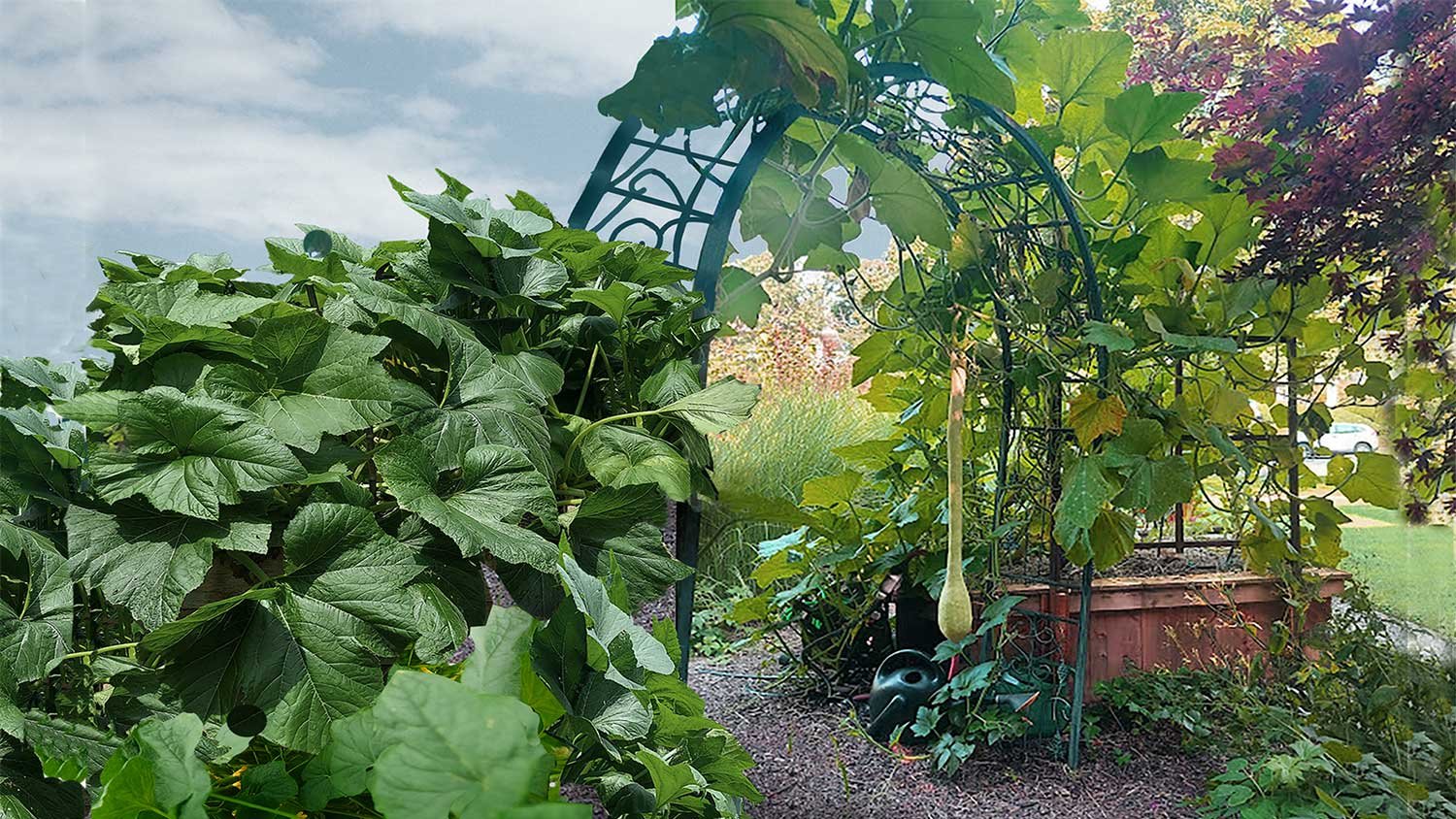
Workshop - Edible Garden Planning
Here is the slideshow from the Deep Roots Project Edible Garden Planning interactive workshop held Sunday, March 8, 2026 at the Oak Park Main Library.
Here is the presentation from our Deep Roots Project Edible Garden Planning workshop held on Sunday, March 8, 2026, at the Oak Park Main Library.
This workshop from Deep Roots was designed to help gardeners prepare for successful growing season.
We are posting here the presentation we gave at our March 8th, 2026 workshop.
Participants had the opportunity to review and develop their garden layouts, explore plant selection strategies, and learn how to use compost and natural fertilizers such as worm castings and fish emulsion to build healthy soil and increase harvests. The workshop also covered best practices for preparing and cleaning up garden spaces in advance of planting.
Additional topics included identifying sunlight patterns to select the right plants for different areas, effective watering techniques, and planning gardens to suit varying conditions and spaces. Expert gardeners will be on hand throughout the event to answer questions and provide individualized guidance.
This workshop is ideal for new, experienced or novice gardeners, experienced growers, and community groups looking to start or strengthen shared garden spaces. Attendees were encouraged to bring garden plans, questions, or ideas they would like to discuss and review.
“Grow Your Own Food” blog posts
See the full list of our Grow Your Own Food blog posts. Each post is assigned ”tags” which are under the post title. If you need a quick answer to a gardening question give us a call or send a text to our customer support team – support[at]deep-roots-project.org AND 708-655-5299.
Deep Roots online store
See our online store for details about prices, ordering and delivery of raised beds, planter boxes, microbe-rich compost, worm castings, leaf mulch and more. We don’t sell traditional soil, since we use 100% compost as our growing medium. Our online store has 2 sections – (1) raised beds and planter boxes and (2) compost, worm castings, fertilizer.
Please contact our customer support team before placing an order online so we can assist you with the details and answer your gardening questions. You can pay by credit card in the store or by check.
(708) 655-5299 and support[at]deep-roots-project.org
Sign up for our newsletter
Please leave your cell phone number when you sign up for our eNewsletter, if you want text message announcements now and then.
Donations help us provide organic kitchen gardening education to individuals, organizations, and entire communities. Thank you in advance for contributing to our community and for sharing our website and blog with friends and family.
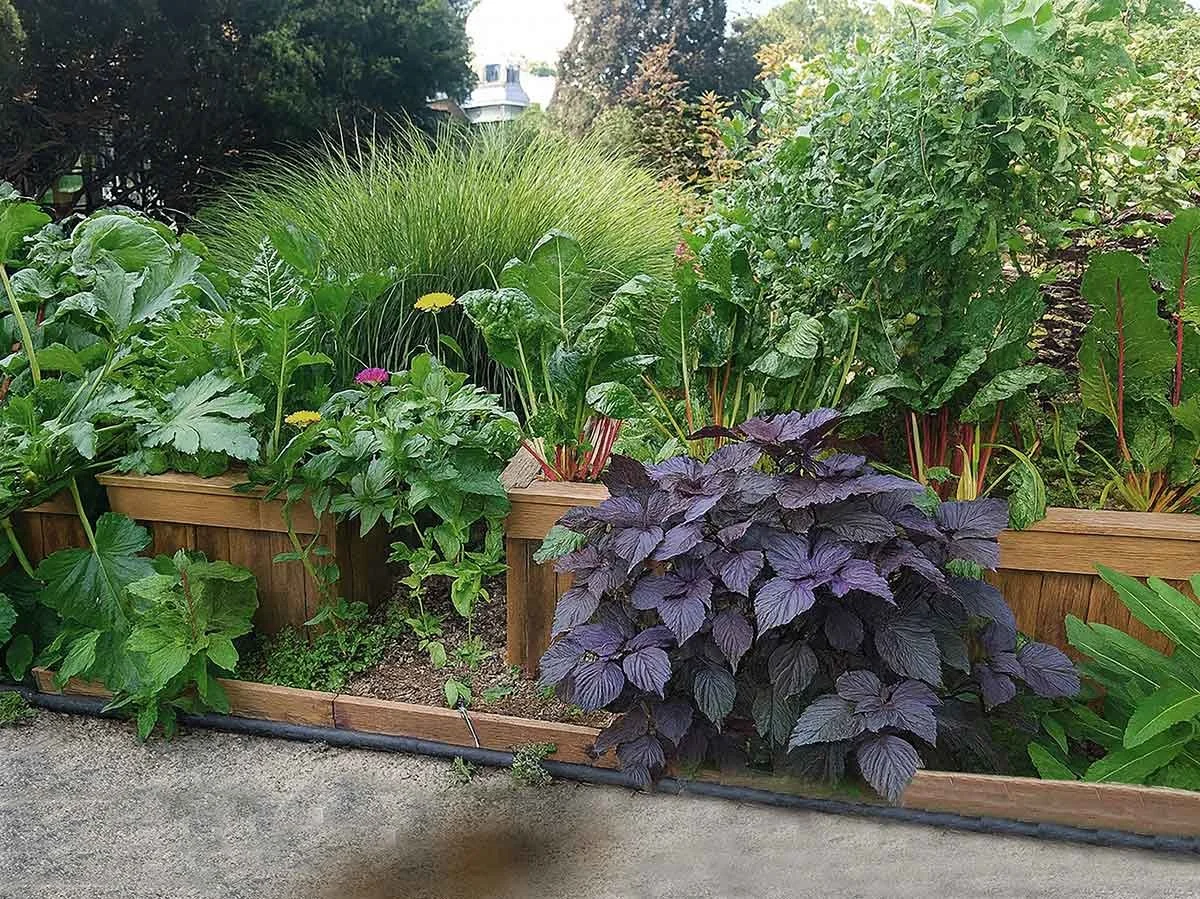
Workshop - Food Gardening Using the Deep Roots Method
Here is the slideshow from the Deep Roots Project and BEAT Roots interactive workshop held Saturday, February 7, 2026 at the Oak Park Main Library.
Here is the presentation from our Deep Roots Project and BEAT Roots interactive workshop held on Saturday, February 7, 2026, at the Oak Park Main Library.
This hands-on event features Deep Roots’ compost-based method, native plants, and simple “milk jug” winter sowing for bigger home harvests
We are posting here the presentation we gave at our Feb. 7th, 2026 workshop. Our presentation featured Deep Roots Project’s Transformational Gardening method—an innovative, science-based approach that uses 100% microbe- and nutrient-rich compost instead of traditional soil blends, enriched with worm castings and smart raised-bed design, to build living soil and significantly increase yields in small urban and suburban gardens.
The workshop ended with a “hands-on” demonstration of simple “milk jug” winter sowing to get a head start on a bigger home harvest this year.
“Grow Your Own Food” blog posts
See the full list of our Grow Your Own Food blog posts. Each post is assigned ”tags” which are under the post title. If you need a quick answer to a gardening question give us a call or send a text to our customer support team – support[at]deep-roots-project.org AND 708-655-5299.
Deep Roots online store
See our online store for details about prices, ordering and delivery of raised beds, planter boxes, microbe-rich compost, worm castings, leaf mulch and more. We don’t sell traditional soil, since we use 100% compost as our growing medium. Our online store has 2 sections – (1) raised beds and planter boxes and (2) compost, worm castings, fertilizer.
Please contact our customer support team before placing an order online so we can assist you with the details and answer your gardening questions. You can pay by credit card in the store or by check.
(708) 655-5299 and support[at]deep-roots-project.org
Sign up for our newsletter
Please leave your cell phone number when you sign up for our eNewsletter, if you want text message announcements now and then.
Donations help us provide organic kitchen gardening education to individuals, organizations, and entire communities. Thank you in advance for contributing to our community and for sharing our website and blog with friends and family.
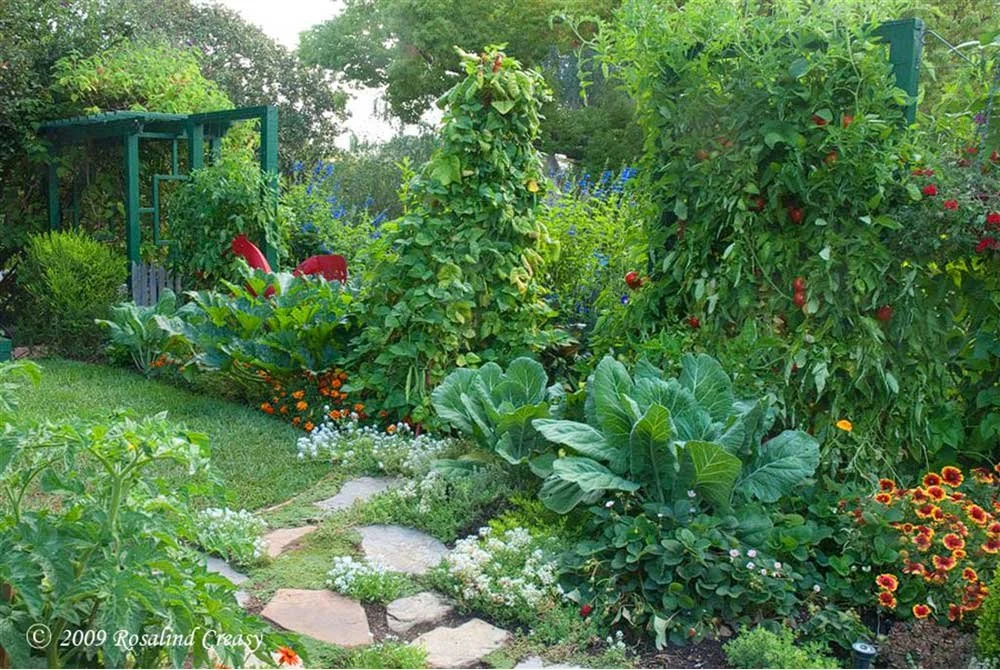
Your Garden Is a Bio-diverse Community Landscape
By combining native plants, ornamentals and flowers with a food garden, you can create a beautiful and productive outdoor space that will provide fresh produce, attract wildlife, and bring joy to your life. It is a wonderful way to bring beauty, sustainability, and fresh produce to your outdoor space. Create a unique & thriving edible landscape with natives, flowers, ornamentals & food crops.
What if we told you that your backyard could feed your family, shelter pollinators, clean the air, and look absolutely gorgeous — all at the same time? At Deep Roots Project, we believe that growing food and growing biodiversity aren't competing goals. They're the same goal. Let's dig in.

Edible Landscapes, Companion Planting,
and the Beauty of Biodiversity
This isn't garden fantasy. It's the quiet wisdom of edible landscaping: the art of weaving food-producing plants into a living, breathing ecosystem that works with nature rather than against it. When we stop thinking of our gardens as rows of crops to be managed and start thinking of them as communities of interdependent life, everything changes — the soil, the harvest, and even the way we see our relationship with the land.
Start Where Life Starts: The Soil
Before a single seed goes in the ground, the real work is already happening beneath your feet.
A single handful of healthy garden soil contains more microorganisms than there are people on Earth. Bacteria, fungi, nematodes, earthworms, and microscopic arthropods form a vast underground web — decomposing fallen leaves, breaking down organic matter, and converting it into exactly the nutrients your plants need. This isn't magic. It's microbiology, and it's extraordinary.
Healthy soil is the non-negotiable foundation of any edible landscape. Without it, you're not really gardening — you're just propping plants up with chemicals and hope. With it, your garden becomes self-sustaining, resilient, and generous.
How to nurture your soil:
Compost, compost, compost. Return organic matter to the earth. Kitchen scraps, fallen leaves, spent plants — they all have a second life as soil food.
Avoid tilling. Tilling disrupts the fungal networks (mycelium) that quietly shuttle nutrients between plant roots.
Mulch heavily. A thick layer of wood chips or straw mimics the forest floor, retaining moisture, suppressing weeds, and feeding the microbiome beneath.
Plant cover crops like clover or buckwheat in the off-season to protect and enrich bare soil.
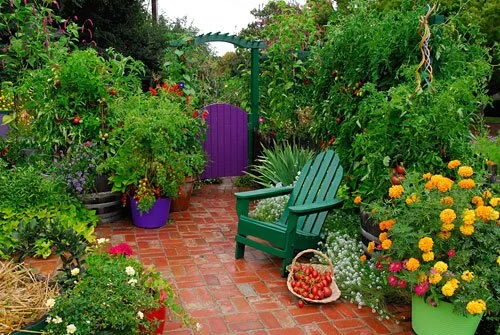
The Power of Companion Planting:
Plants as Neighbors, Not Strangers
In nature, plants don't grow in monocultures. A forest isn't a field of oak trees. A prairie isn't wall-to-wall switchgrass. Diversity is nature's default — and there's a very good reason for that.
Companion planting is the practice of deliberately placing plants together so they support, protect, and nourish one another. It's one of the oldest agricultural techniques in the world, used for thousands of years by Indigenous farmers across the Americas, Asia, and Africa — and modern science is finally catching up to what those farmers always knew.
The Three Sisters: An Ancient Blueprint
Perhaps the most celebrated companion planting system is the Three Sisters — corn, beans, and squash — grown together by many Indigenous peoples of North America for millennia. Each plant plays a distinct role:
Corn grows tall, providing a natural trellis for beans to climb.
Beans are nitrogen-fixers, pulling nitrogen from the air and depositing it into the soil where the corn and squash can use it.
Squash sprawls along the ground, its broad leaves shading the soil, locking in moisture, and crowding out weeds.
Three plants. Three roles. One thriving system. No synthetic fertilizer required.
Companion Planting Combinations to Try
Tomatoes + Basil: Basil is said to repel aphids, whiteflies, and tomato hornworms, while improving the flavor of the fruit growing beside it. Plus, you'll always have fresh basil for your Caprese salad.
Roses or fruit trees + Garlic/Chives: Alliums deter aphids and other soft-bodied pests and can help prevent fungal diseases in nearby plants.
Brassicas (cabbage, kale, broccoli) + Nasturtiums: Nasturtiums act as a "trap crop," luring aphids away from your brassicas. Bonus: nasturtium flowers are edible and add a peppery zip to salads.
Carrots + Rosemary or Sage: These aromatic herbs confuse and deter the carrot fly, one of the most common carrot pests.
Cucumbers + Dill: Dill attracts beneficial predatory wasps that feast on cucumber beetles and aphids.
Beans + Potatoes: Beans repel the Colorado potato beetle; potatoes repel the Mexican bean beetle. They look out for each other.
The principle underlying all of these is simple: diversity confuses pests, attracts predators, and builds resilience. A garden of many species is far harder for any single insect or disease to devastate than a mono-culture.
Invite the Good Bugs:
Beneficial Insects and Pollinator Habitat
Not all insects are enemies. In fact, most are either neutral or actively beneficial to your garden. The key is building habitat that attracts them.
Beneficial insects include ladybugs, lacewings, hoverflies, parasitic wasps, and ground beetles — all of which prey on the aphids, whiteflies, and caterpillars that damage your plants. If you reach for a pesticide every time you see a bug, you're likely killing these allies along with the pests.
Instead, plant for them. A diverse edible landscape that includes flowering herbs, native perennials, and pollinator-friendly plants will draw beneficial insects naturally.
Plants that attract beneficial insects:
Sweet alyssum — a low-growing annual that blooms prolifically and attracts hoverflies and parasitic wasps
Fennel and dill — umbellifers (flat-topped flower clusters) beloved by beneficial wasps
Borage — beautiful blue star-shaped flowers that attract bees and repel tomato hornworms
Phacelia (baby blue eyes) — one of the best insect plants you may never have heard of
Evening primrose — draws moths and beetles, which in turn attract birds
Yarrow — a tough native perennial that blooms in clusters and hosts dozens of beneficial species
Don't forget: pollinators need water too. A shallow dish of water with pebbles for landing gives bees and butterflies a welcome rest stop.
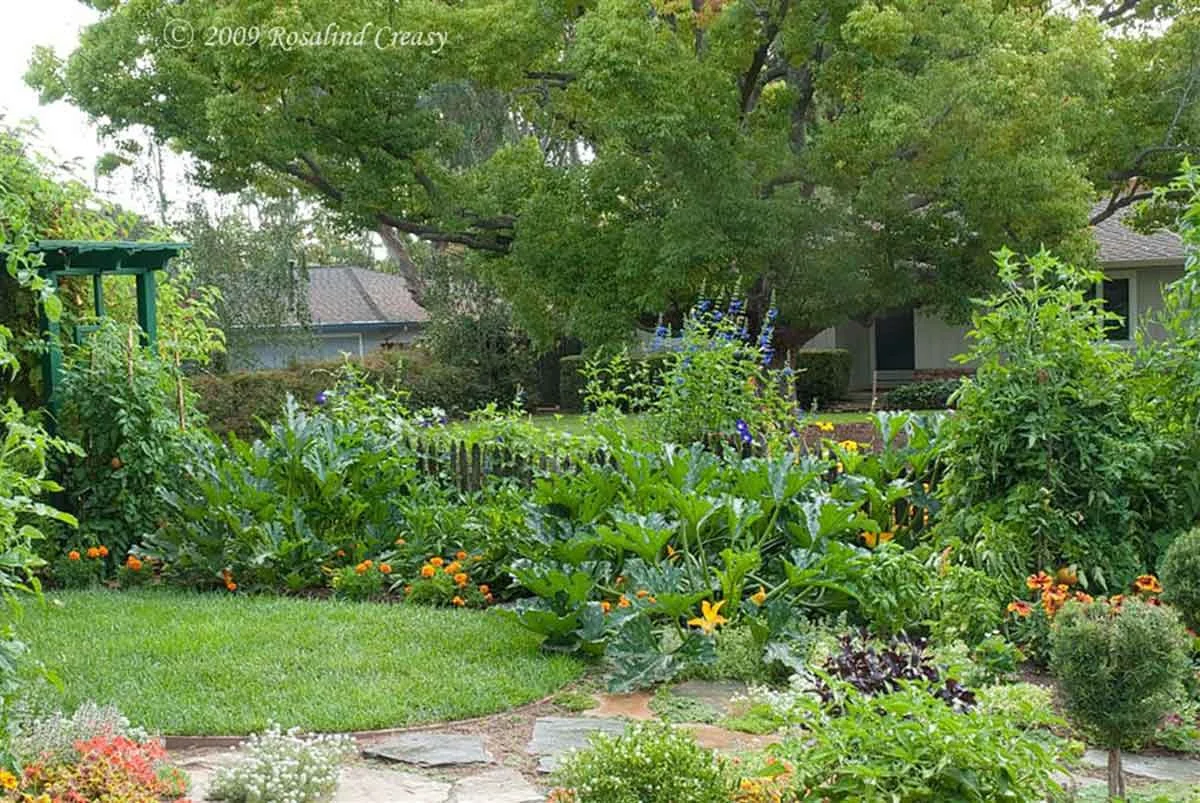
Native Plants: The Heart of a Bio-diverse Garden
Here's a truth that can transform your garden: native plants are not just "nice to have." They are the foundation of local biodiversity.
Native plants evolved alongside your local insects, birds, and soil microbes over thousands of years. They provide the exact nutritional profile, bloom timing, and habitat structure that native wildlife depends on. A non-native ornamental, however beautiful, often functions as an ecological dead zone — visiting insects may find its pollen indigestible, and native birds may find its berries lacking in the fats they need to survive.
Entomologist Doug Tallamy's research has shown that native oak trees alone support over 500 species of caterpillars — which are, in turn, the critical food source for nearly every songbird in North America. By contrast, a Callery pear or Bradford pear — ubiquitous in suburban landscaping — supports fewer than five.
The good news? Native plants are often lower maintenance, more drought-tolerant, and more beautiful than you might expect. Once established, they largely take care of themselves.
Native plants to weave into your edible landscape:
Native ferns for shaded, moist areas — they provide ground cover, habitat, and a lush aesthetic without requiring irrigation or fertilizer
Wild ginger as a shade-tolerant ground cover
Native coneflowers (Echinacea) — medicinal, beautiful, and beloved by goldfinches
Wild bergamot (Monarda) — a native mint relative that feeds bumblebees and makes excellent tea
Serviceberry (Amelanchier) — a native shrub or small tree producing edible berries in spring, beloved by over 40 species of birds
Pawpaw — the largest edible fruit native to North America, with rich, custardy flesh and striking large leaves
Native elderberry (Sambucus canadensis) — produces flowers for elderflower cordial and berries for elderberry syrup, while feeding dozens of bird species
Blend these with your vegetables and fruit trees. A pawpaw tree beside your tomatoes. Coneflowers along the border of your raised beds. Wild bergamot woven between your squash. This is what edible landscaping looks like when it grows up.
Perennials vs. Annuals: Planting for the Long Game
One of the biggest shifts you can make as a food gardener is reducing your reliance on annual vegetables — plants that must be replanted each year — and increasing your edible perennials: plants that return on their own, year after year, building deeper roots, richer soil relationships, and larger harvests over time.
Edible perennials to consider:
Asparagus — takes a couple years to establish, but then produces for 20+ years
Rhubarb — thrives in cold climates and returns faithfully every spring
Chives, sorrel, lovage — low-effort, high-reward culinary herbs that spread gently and never need replanting
Horseradish — plant it once and you'll be fighting to keep it contained (in a good way)
Jerusalem artichoke (sunchoke) — a native sunflower relative that produces masses of edible tubers
Fruit trees and berry bushes — the ultimate perennial investment. A well-placed apple, pear, or fig tree can feed your family for generations.
A garden anchored by perennials requires less labor, produces more stable yields, and builds soil carbon year over year. It's the slow food of garden design.
Designing for Beauty and Function
Edible landscaping doesn't mean sacrificing aesthetics. In fact, some of the most stunning gardens in the world are food gardens. The goal is to think like a designer and a farmer simultaneously.
Think in Layers
A healthy natural ecosystem has vertical layers — canopy, understory, shrub layer, ground cover, and root zone. You can replicate this in your garden:
Canopy: Fruit and nut trees (apple, pear, pecan, persimmon)
Understory: Berry bushes and dwarf fruit trees (currant, gooseberry, dwarf plum)
Herbaceous layer: Vegetables, herbs, and perennial flowers
Ground cover: Strawberries, thyme, clover, native violets
Climbers: Grapes, kiwi, hardy climbing beans trained up trellises, fences, or arbors
This layered approach maximizes your growing space, creates visual depth, and provides habitat for a cascade of wildlife.
Color, Texture, and Flow
Use a color wheel to plan complementary plant combinations. Cool lavenders and blues look stunning against warm oranges and yellows.
Ornamental grasses add texture and movement and remain attractive even in winter when other plants have gone dormant.
Edible flowers — calendula, borage, nasturtium, viola — bridge the gap between beauty and utility. Plant them liberally throughout your beds.
Consider adding hardscape elements — stone paths, brick borders, wooden raised beds — to give your garden structure and make maintenance easier year-round.
Vertical Growing
Even a small yard has more growing space than you think when you look up. Trellises, fences, pergolas, and walls can support cucumbers, melons, squash, beans, peas, and climbing roses. A south-facing wall absorbs heat during the day and radiates it at night, creating a micro-climate that can allow you to grow plants slightly outside your usual range.
The Bigger Picture: Why This All Matters
Every edible landscape is a small act of ecological restoration.
When you plant a serviceberry instead of a Bradford pear, you're feeding birds. When you leave a patch of clover in your lawn, you're feeding bees. When you compost your kitchen scraps, you're closing a loop that industrial food systems have broken wide open. When you grow even a fraction of your own food, you're reducing demand on a supply chain that depletes soil, pollutes waterways, and contributes to climate change.
These aren't small things. Multiplied across neighborhoods, cities, and regions, they are transformative.
The edible landscape is, at its core, a philosophy: that beauty and utility are not opposites, that humans and ecosystems can thrive together, and that the best gardens give far more than they take.
Getting Started: Your First Steps
You don't need to overhaul everything at once. Start small and let your garden evolve.
Assess your light. Know which parts of your yard get full sun (6+ hours), part sun, and shade. This determines everything that follows.
Add one native plant this season. Just one. Notice what visits it.
Try one companion planting pairing. Tomatoes and basil. Squash and nasturtiums. See what happens.
Stop using broad-spectrum pesticides. Give beneficial insects a chance to find your garden and do their work.
Start composting. Even a simple bin in a corner will transform your soil within a year.
Plant something you've never grown before. The learning is part of the joy.
Your garden is waiting to become something more than a patch of vegetables. It's waiting to become a community — of plants that support each other, insects that protect each other, and humans who belong, however humbly, to the wider web of life.
Plant something. Feed something. Protect something.
Deep Roots Project is here for every step of the journey.
“Grow Your Own Food” blog posts
See the full list of our Grow Your Own Food blog posts. Each post is assigned ”tags” which are under the post title. If you need a quick answer to a gardening question give us a call or send a text to our customer support team – support[at]deep-roots-project.org AND 708-655-5299.
Deep Roots online store
See our online store for details about prices, ordering and delivery of raised beds, planter boxes, microbe-rich compost, worm castings, leaf mulch and more. We don’t sell traditional soil, since we use 100% compost as our growing medium. Our online store has 2 sections – (1) raised beds and planter boxes and (2) compost, worm castings, fertilizer.
Please contact our customer support team before placing an order online so we can assist you with the details and answer your gardening questions. You can pay by credit card in the store or by check.
(708) 655-5299 and support[at]deep-roots-project.org
Sign up for our newsletter
Please leave your cell phone number when you sign up for our eNewsletter, if you want text message announcements now and then.
Donations help us provide organic kitchen gardening education to individuals, organizations, and entire communities. Thank you in advance for contributing to our community and for sharing our website and blog with friends and family.
The Soil Food Web
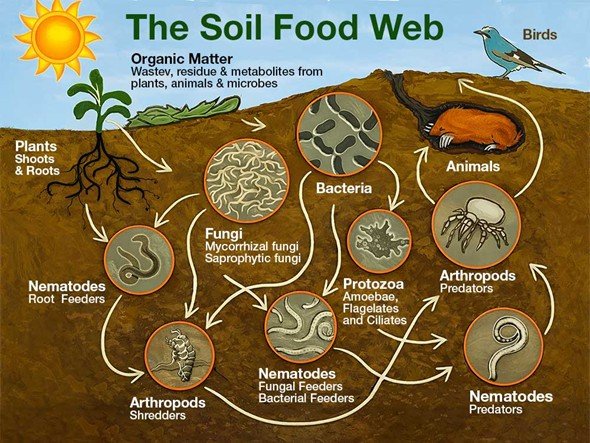
The Soil Food Web shows how soil life turns organic matter into plant nutrition. This is a natural and essential process that releases nutrients, builds soil structure, and supports healthier plants. Your garden soil is a kitchen, recycling center and immune system all in one.
The Soil Food Web shows how soil life turns organic matter into plant nutrition. The chart arrows represent who eats whom—an essential process that releases nutrients, builds soil structure, and supports healthier plants.
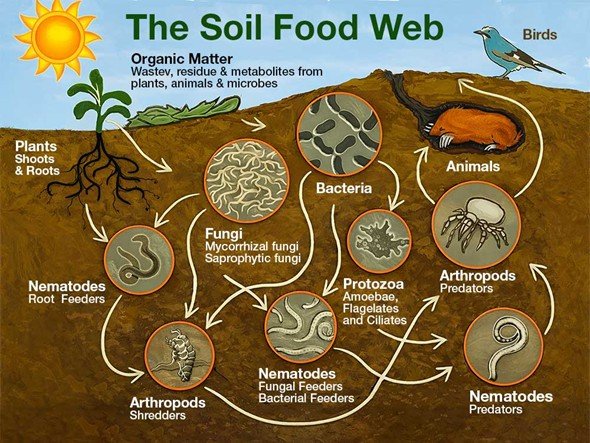
The Garden’s Underground “Ecosystem”
Your garden has an underground “ecosystem” that grows healthy plants. When gardeners talk about “good soil,” they’re usually talking about living things—not dirt. Under every raised bed, herb patch, and flower border is a busy community of tiny living creatures that:
recycle organic matter into plant food
build crumbly structure that holds water and air
help roots access nutrients
reduce pest & disease problems by balancing the system
Our Soil Food Web chart shows the living community as a simple map of who-s-who in that web and how energy and nutrients move through it. Your garden soil is a kitchen, recycling center and immune system all in one. Plants “feed” the soil life, the soil life transforms scraps into nutrients, and the whole system supports stronger plants. The arrows show who eats whom (and therefore who releases nutrients in plant-available forms). That “eating” is a good thing. Plants don’t do this alone. They’re partners with microbes and tiny animals that process food, store it, and deliver it back to roots.
The Main Characters in the Soil Food Web
Plants: the food-web “solar panels”: Plants capture sunlight and turn it into sugars. A surprising amount of that energy goes down into the soil through as “root exudates” (tiny releases of sugars and compounds). Those exudates are like snacks and signals that recruit helpful microbes. Healthy roots = more food for soil life = better nutrient cycling.
Organic matter: the pantry for the whole system
Our chart describes organic matter as waste, residue, and metabolites from plants, animals, and microbes. Organic matter is not “just debris.” It’s the raw ingredient that becomes fertility. Think of organic matter as:
- leaves and plant pieces
- old roots
- compost
- mulch that breaks down
- natural residues that soil life can digestBacteria: tiny fast recyclers
Bacteria are microscopic workhorses. They’re especially good at breaking down “easier” materials (many fresh residues and simple compounds). They multiply quickly when there’s food and moisture. What bacteria do for gardeners:
- help convert organic matter into nutrients
- support aggregation (better soil structure)
- form the base of many food chains in soilFungi: the thread-like builders and root partners
There are two important fungal roles. Mycorrhizal fungi connect with roots and extend the root system’s reach. Saprophytic fungi break down tougher materials (often woody or fibrous). Fungi are also famous for building soil structure. Their thread-like bodies help form stable crumbs (“aggregates”) that improve drainage and water-holding at the same time. A simple gardener translation is ”Fungi help soil hold together in the good way.”Protozoa: microscopic “grazers” that release nutrients
Protozoa (amoebae, flagellates, ciliates) eat bacteria and other microbes. This grazing matters because it causes nutrient “release” in forms that plants can use. Think of protozoa as the compost-turners of the microscopic world—digesting and “making nutrients available.”Nematodes: tiny worms with different jobs
Nematodes get a mixed reputation because some types harm plants. Root-feeding nematodes are the ones gardeners don’t want in high numbers. There are also bacterial-feeders and fungal-feeders. Predatory nematodes eat other nematodes and help balance the system. In a balanced soil food web, the helpful nematodes and predators keep the community from tipping out of proportion. The goal is not “no nematodes.” The goal is a balanced community.Arthropods: shredders and predators
“Arthropods” is a big category that includes many soil-dwellers (mites, springtails, beetle larvae, and more). Shredders chew and break organic matter into smaller pieces making it easier for microbes to finish the job. Predators:hunt other soil organisms, keeping populations balanced. Gardeners benefit because shredding speeds decomposition and predators reduce boom-and-bust outbreaks.Larger animals and birds: the top of the web
At the top of your chart are larger animals (and birds). These are the visible members of the system that feed on arthropods and other creatures. Their activity is often a sign of a living, functioning soil habitat.Better nutrient delivery without “force-feeding”
In a living soil, nutrients cycle through bodies—microbes eat, get eaten, and nutrients become available near roots. This is gentler and steadier than trying to force growth with quick, salt-based chemical fertilizers.
Stronger plants with fewer problems: A diverse soil community creates competition and balance. Many plant diseases struggle to dominate in a biologically active, diverse soil ecosystem.
Soil structure that makes gardening easier. When the soil food web is thriving, you tend to see more crumbly texture, better water infiltration, less crusting / compaction and improved root growth.
Feed the web with the right kind of fertility
The Deep Roots approach is feed the soil, and the soil feeds the plants. We focus on microbe- and nutrient-rich compost and high-quality worm castings because they don’t just “add nutrients”—they support the living system that manages nutrients.
Is compost enough? Quality matters. Compost that is rich in microbial life and made well can be a powerful foundation. Deep Roots emphasizes compost and castings because they support both nutrients and biology—and biology is what keeps the system resilient.
Keep the habitat friendly. Soil life needs:
oxygen (not compaction)
moisture (not constant drying and flooding cycles)
food (organic matter and root exudates)
protection (less disturbance)
Where fish emulsion fits: Worm castings are our steady, soil-building base. Fish emulsion is our targeted helper when plants need a quick, gentle boost—especially early growth, transplant recovery, or when a plant looks pale and needs nitrogen support. Used correctly, fish emulsion can complement the soil food web because it’s typically less harsh than many synthetic salts and works best as a support, not as the entire fertility plan. Use fish emulsion like a vitamin—helpful when needed—while compost and castings remain the daily food that keeps the whole system strong.
Avoid practices that wipe out your workforce
“Chemical fertilizers” can work short-term but weaken the system long-term. Many fast-release synthetic fertilizers are designed to feed the plant directly—often with a strong “salt” effect. That can lead to a cycle where plants grow quickly, but soil biology gets less support.
Here’s what commonly goes wrong:
The soil food web gets bypassed. Plants may send fewer root exudates (less “food” to microbes), which can reduce microbial diversity over time.
Salt stress can harm roots and microbes. High concentrations can burn roots, reduce microbial activity, and make watering harder to manage.
Growth can become soft and pest-prone. Fast nitrogen pushes lush foliage that is often more attractive to pests and more vulnerable to disease.
Soil doesn’t improve. Synthetic fertilizers don’t build organic matter or structure, so you can get growth without getting better soil.
This doesn’t mean a gardener is “bad” for ever using them—it just explains why Deep Roots focuses on building fertility through biology.
Healthier plants with fewer problems
Don’t just “feed the plant,” feed the living system underneath it that turns organic matter into abundance. The soil food web is the everyday story of how sunlight becomes food—not just for plants, but for everything that depends on plants (which is… all of us). It’s the living, underground network that connects roots, microbes, tiny soil animals, and the creatures above ground that depend on them.
…and a heathier planet
When the soil food web is healthy, it does far more than “grow bigger plants.” It helps restore soil health, increase biodiversity, build larger and more active microbe populations, store carbon underground, and improve the nutritional quality of the food we grow. Healthy soil is one of the strongest foundations we have for a stable garden—and a healthier planet.
Join the Deep Roots movement
We’re not just about gardening; we’re about changing the way people grow food. Whether you have a tiny balcony or a full backyard, we’ll help you grow like a pro.
Stay in the loop: Signup for our email newsletter. If you also provide your phone number you will get text message updates that link to our best blog posts.
Get involved: Attend a free workshop, become a volunteer, grab a raised bed, or simply follow along for expert tips. Contact our support team any time you have a question at 708-655-5299 and support@deep-roots-project.org.
Learn. Share. Grow. Volunteer: We invite you to be a part of our sustainable movement right here in our own backyards! We want all our volunteers to have fun and learn while they contribute to expanding the Deep Roots community. We can customize a volunteer assignment to your time, interests and skills. Learn more on our Volunteer page
Dive Deeper
Click on the Blog Posts below for more about our Innovative methods.
Beautify Your Garden with Our Cedar Raised Beds!
Our Deep Roots handcrafted cedar raised beds are designed to endure outdoors while adding a touch of style to your yard. As a bonus, they are the perfect depth to hold just the right amount of our nutrient-rich compost growing medium, which comes free with each bed.
Deep Roots Supports Gardeners
We provide our gardeners with the best products for success – like cedar raised beds, microbe-rich compost and microbe-rich worm castings.
Call our customer support team with any questions or help with calculations. Then place your order online. If you need help or have a question contact us at support[at]deep-roots-project.org and 708-655-5299.
See our online store for details about prices, ordering and delivery of raised beds, planter boxes, microbe-rich compost, worm castings, leaf mulch and more. We don’t sell traditional soil, since we use 100% compost as our growing medium. Our online store has 2 sections
Signup for Our Newsletter
Please leave your cell phone number when you sign up for our eNewsletter to get gardening and seasonal text messages announcements now and then.
Donations help us provide organic kitchen gardening education to individuals, organizations, and entire communities. Thank you in advance for contributing to our community and for sharing our website and blog with friends and family.