Planting Calendar Climate Zone 6a
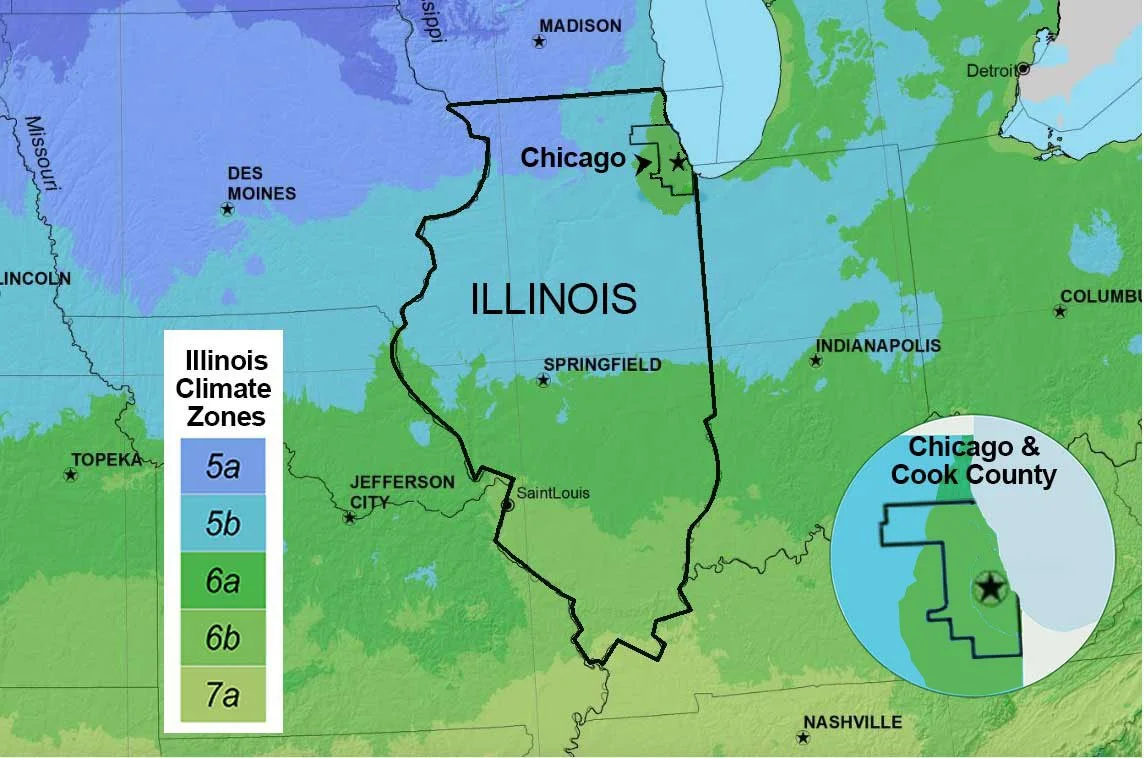
Most gardeners in the Chicago area are now considered Zone 6a, due in part to the warming effects of Lake Michigan and long-term climate change. The lake moderates temperatures, creating slightly warmer winters and cooler summers, especially in the city and nearby suburbs. This shift means that older planting calendars based strictly on Zone 5b are no longer fully accurate for many gardeners in our area. It’s time to Unleash Your Green Thumb.
Planting Calendars Zone 6a
A reliable way to decide when to plant
Checkout Our Calendars for each Plant Family Later in this Post!
The United States is divided into 13 plant hardiness zones based on average winter temperatures. These zones help gardeners understand what can survive in their region, but they don’t tell the whole story about when to plant. If you want a deeper explanation, see our blog post What Are Climate Zones?
Most gardeners in the Chicago area are now considered Zone 6a, due in part to the warming effects of Lake Michigan and long-term climate change. The lake moderates temperatures, creating slightly warmer winters and cooler summers, especially in the city and nearby suburbs. This shift means that older planting calendars based strictly on Zone 5b are no longer fully accurate for many gardeners in our area.
Frost dates alone are not reliable
For many years, planting calendars have been based on average frost dates. In northern Illinois, the last spring frost typically occurs in early to mid-May, and the first fall frost arrives in early to mid-October. These dates still provide a rough framework, but they are no longer reliable enough on their own. Weather patterns have become more unpredictable, and planting too early or too late based on calendar dates alone can lead to disappointing results.
Soil temperature is dependable.
Because of this, we are shifting to a more dependable approach: soil temperature. Soil temperature is one of the most important factors for seed germination and plant growth. Cool-season crops can be planted in cooler soil, while warm-season crops require much warmer conditions to grow successfully. In our updated planting calendars, we include both ideal soil temperatures (to help you decide when to plant) and temperature tolerances (to show what each crop can survive). This gives you a more flexible and accurate system that adapts to real conditions in your garden.
Planting dates are really planting windows
The planting dates in our charts should be viewed as planting windows, not exact deadlines. Beginners should plant toward the warmer end of each window to reduce risk. More experienced gardeners can take advantage of earlier or later planting by using simple tools like row covers and cold frames. Over time, you will learn how to adjust planting based on weather patterns, soil conditions, and experience.
Raised beds are especially helpful for managing these variables. They warm up faster in the spring, drain well, and can be easily covered during cold nights. Even a lightweight row cover can provide a few degrees of protection, while heavier covers can extend your season even further. These tools allow you to plant earlier in spring and continue harvesting later into fall.
Root veggies need their own soil
One of the most important things we’ve learned at Deep Roots is that not all vegetables should be grown in the same soil. Most crops thrive in our microbe-rich compost beds, but root crops and alliums—like carrots, beets, garlic, and onions—do not perform well in high-nutrient compost. Instead, they grow best in a more balanced mineral soil. This season, we are introducing a new root veggie soil system along with a phosphorus-based fertilizer (PhoSul), and we invite gardeners to test this approach with us. You can learn more in our Root Veggie Growing Method blog post.
Calendars for each Plant Family
To make everything easier to use, we’ve reorganized our planting calendars into separate plant families, each with its own page. This makes the information much easier to navigate and allows you to focus on one group of crops at a time. Each planting calendar includes two simple tables: one for planting and setup, and one for growing conditions. Together, they provide everything you need to get started.
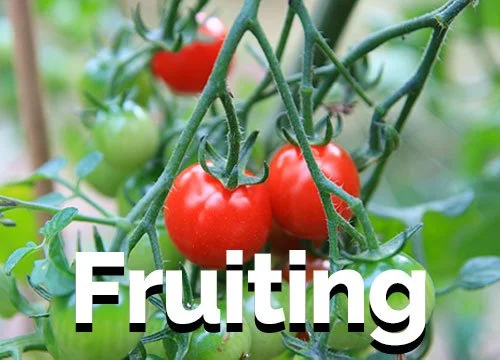
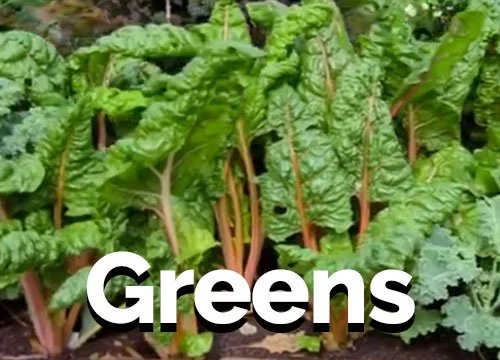
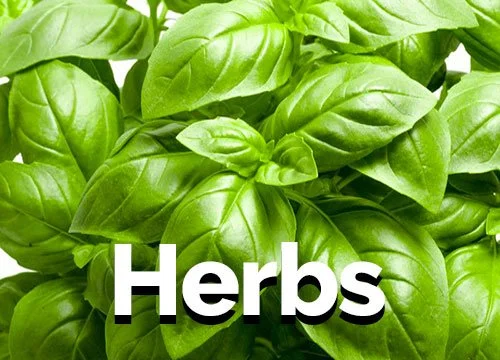
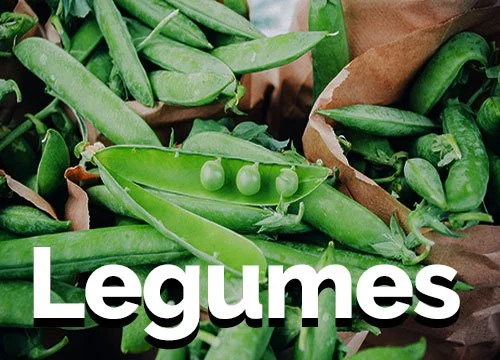
The plant families are: Brassicas, Cucurbits, Fruiting Plants, Leafy Greens, Legumes, Root Crops, Herbs, Berries and Alliums.
These calendars are based on averages and general patterns, so always check your seed packets for specific details about each variety. Some crops can tolerate cold and be planted early, while others require warm soil to grow at all. Understanding the difference between what a plant can survive and what it needs to thrive is one of the most important skills you can develop as a gardener.
Deep Roots gardening is not about doing more—it’s about doing the right things at the right time. By paying attention to soil temperature, planting windows, and the specific needs of each crop, you can grow healthier plants, reduce risk, and enjoy more consistent harvests year after year.
Explore the Planting Calendars