
Planting Calendar Climate Zone 6a
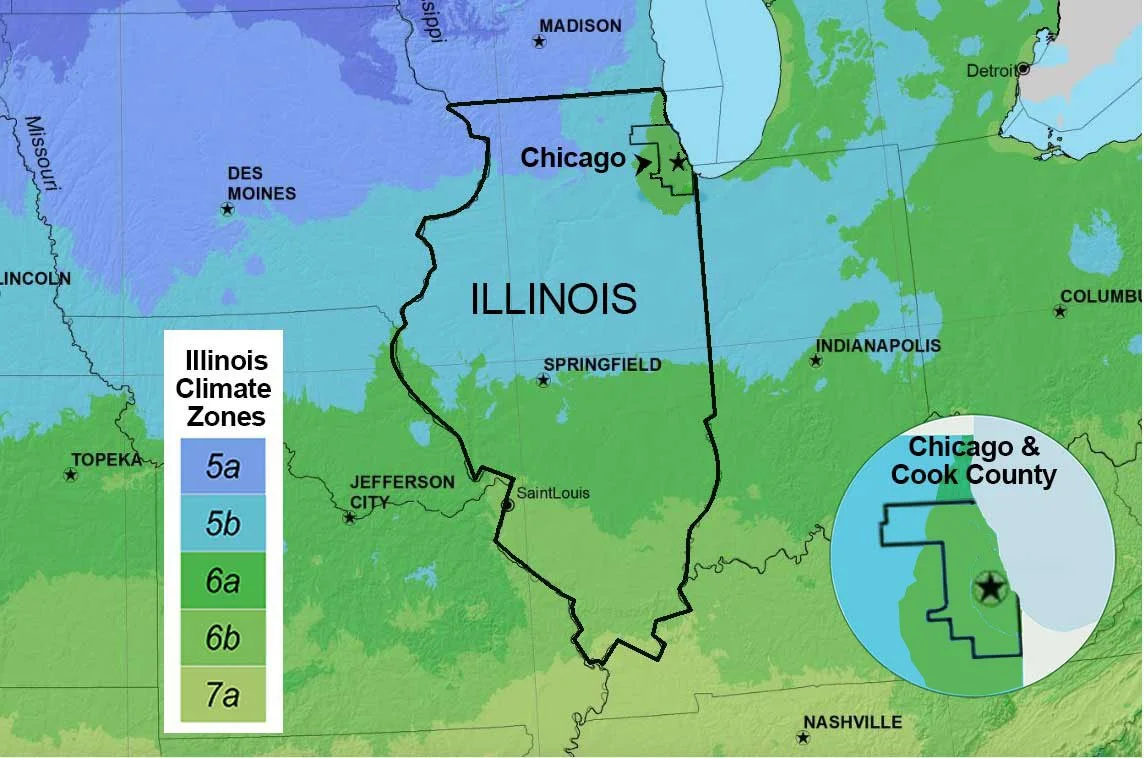
Most gardeners in the Chicago area are now considered Zone 6a, due in part to the warming effects of Lake Michigan and long-term climate change.
Most gardeners in the Chicago area are now considered Zone 6a, due in part to the warming effects of Lake Michigan and long-term climate change. The lake moderates temperatures, creating slightly warmer winters and cooler summers, especially in the city and nearby suburbs. This shift means that older planting calendars based strictly on Zone 5b are no longer fully accurate for many gardeners in our area. It’s time to Unleash Your Green Thumb.
Planting Calendars Zone 6a
A reliable way to decide when to plant
Checkout Our Calendars for each Plant Family Later in this Post!
The United States is divided into 13 plant hardiness zones based on average winter temperatures. These zones help gardeners understand what can survive in their region, but they don’t tell the whole story about when to plant. If you want a deeper explanation, see our blog post What Are Climate Zones?
Most gardeners in the Chicago area are now considered Zone 6a, due in part to the warming effects of Lake Michigan and long-term climate change. The lake moderates temperatures, creating slightly warmer winters and cooler summers, especially in the city and nearby suburbs. This shift means that older planting calendars based strictly on Zone 5b are no longer fully accurate for many gardeners in our area.
Frost dates alone are not reliable
For many years, planting calendars have been based on average frost dates. In northern Illinois, the last spring frost typically occurs in early to mid-May, and the first fall frost arrives in early to mid-October. These dates still provide a rough framework, but they are no longer reliable enough on their own. Weather patterns have become more unpredictable, and planting too early or too late based on calendar dates alone can lead to disappointing results.
Soil temperature is dependable.
Because of this, we are shifting to a more dependable approach: soil temperature. Soil temperature is one of the most important factors for seed germination and plant growth. Cool-season crops can be planted in cooler soil, while warm-season crops require much warmer conditions to grow successfully. In our updated planting calendars, we include both ideal soil temperatures (to help you decide when to plant) and temperature tolerances (to show what each crop can survive). This gives you a more flexible and accurate system that adapts to real conditions in your garden.
Planting dates are really planting windows
The planting dates in our charts should be viewed as planting windows, not exact deadlines. Beginners should plant toward the warmer end of each window to reduce risk. More experienced gardeners can take advantage of earlier or later planting by using simple tools like row covers and cold frames. Over time, you will learn how to adjust planting based on weather patterns, soil conditions, and experience.
Raised beds are especially helpful for managing these variables. They warm up faster in the spring, drain well, and can be easily covered during cold nights. Even a lightweight row cover can provide a few degrees of protection, while heavier covers can extend your season even further. These tools allow you to plant earlier in spring and continue harvesting later into fall.
Root veggies need their own soil
One of the most important things we’ve learned at Deep Roots is that not all vegetables should be grown in the same soil. Most crops thrive in our microbe-rich compost beds, but root crops and alliums—like carrots, beets, garlic, and onions—do not perform well in high-nutrient compost. Instead, they grow best in a more balanced mineral soil. This season, we are introducing a new root veggie soil system along with a phosphorus-based fertilizer (PhoSul), and we invite gardeners to test this approach with us. You can learn more in our Root Veggie Growing Method blog post.
Calendars for each Plant Family
To make everything easier to use, we’ve reorganized our planting calendars into separate plant families, each with its own page. This makes the information much easier to navigate and allows you to focus on one group of crops at a time. Each planting calendar includes two simple tables: one for planting and setup, and one for growing conditions. Together, they provide everything you need to get started.
The plant families are: Brassicas, Cucurbits, Fruiting Plants, Leafy Greens, Legumes, Root Crops, Herbs, Berries and Alliums.
These calendars are based on averages and general patterns, so always check your seed packets for specific details about each variety. Some crops can tolerate cold and be planted early, while others require warm soil to grow at all. Understanding the difference between what a plant can survive and what it needs to thrive is one of the most important skills you can develop as a gardener.
Deep Roots gardening is not about doing more—it’s about doing the right things at the right time. By paying attention to soil temperature, planting windows, and the specific needs of each crop, you can grow healthier plants, reduce risk, and enjoy more consistent harvests year after year.
Explore the Planting Calendars
Allium Planting Calendar
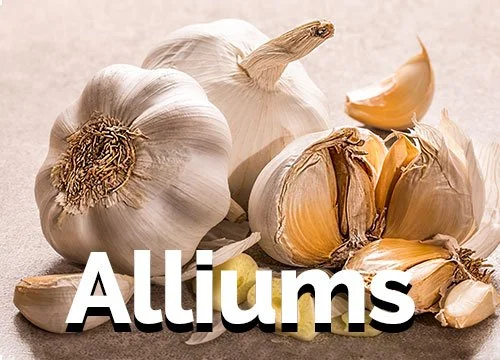
Planting Calendar for the Alliums family.
Planting & Setup
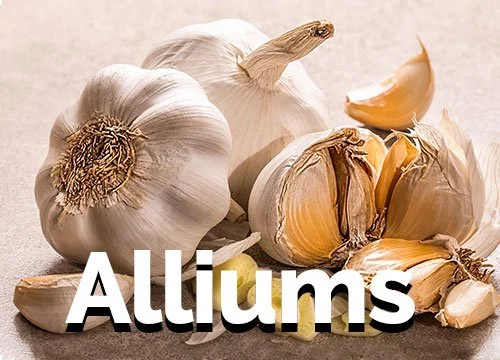
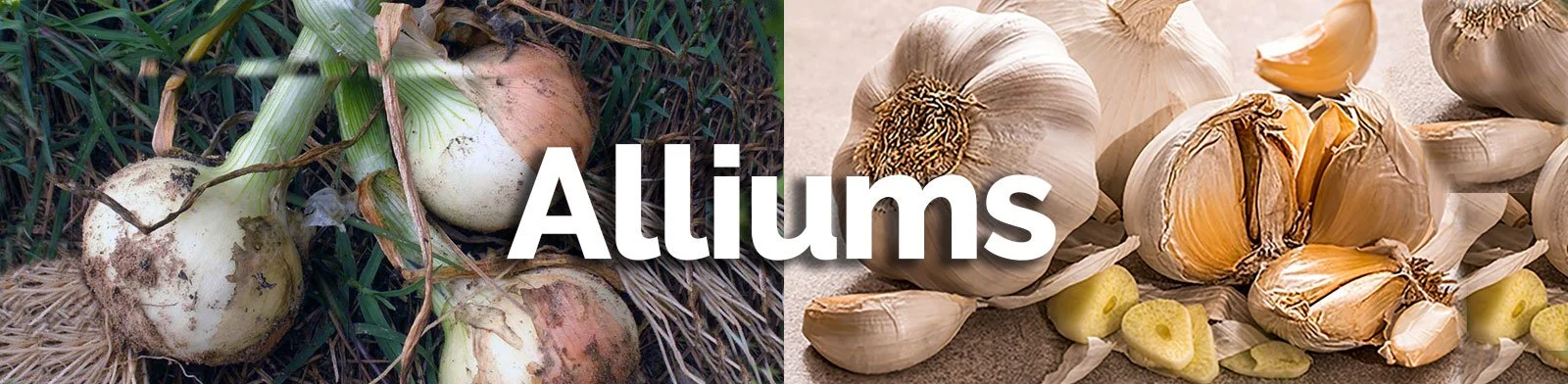
Alliums are cool-season vegetables grown for their flavorful bulbs, stems, and leaves. This family includes garlic, onions, shallots, leeks, scallions, and chives — crops that depend on good timing, steady growth, and healthy soil to size up well. Unlike most heavy-feeding garden vegetables, alliums do best in loose, balanced soil with good drainage and moderate fertility, because too much rich compost can interfere with proper bulb development. In the Deep Roots system, alliums are grown in a carefully balanced mineral topsoil blend that supports strong roots, clean bulb formation, and excellent flavor.
HOW TO PLANT guide for the column below:
Direct = Directly sow your seeds in your outdoor soil at the correct depth
Transplant = Plant seedlings ("transplants") that were grown indoors
Either = Direct sow seeds or plant seedlings
| Crop Name | How To Plant | Spring Planting | Fall Planting | Germinate Indoors |
|---|---|---|---|---|
| Onions | Either | 3/25–5/15 | None | Yes (6–8 wks before) |
| Garlic | Transplant | None | 10/10–11/5 | No |
| Leeks | Transplant | 4/1–5/20 | None | Yes (8–10 wks before) |
| Shallots | Transplant | 3/25–5/15 | 10/1–10/30 | No |
| Chives | Either | 4/1–6/1 | 8/1–9/15 | Yes (4–6 wks before) |
| Scallions | Either | 3/25–5/30 | 8/1–9/15 | Optional |
Growing Conditions
| Crop Name | Sunlight | Temperature Tolerances | Ideal Soil Temp | Seed Depth | Days to Harvest |
|---|---|---|---|---|---|
| Onions | Full sun | 20°F–85°F | 60–75°F | 0.25 in. | 90–120 |
| Garlic | Full sun | 0°F–85°F | 45–65°F | 2 in. | 240–270 |
| Leeks | Full sun | 20°F–80°F | 55–70°F | 0.5 in. | 100–120 |
| Shallots | Full sun | 20°F–85°F | 55–70°F | 1 in. | 90–120 |
| Chives | Full–part | 20°F–85°F | 55–75°F | 0.25 in. | 50–80 |
| Scallions | Full–part | 20°F–85°F | 60–75°F | 0.25 in. | 50–70 |
Chives (and Garlic Chives) are perennials and the easiest alliums to grow. Chives are popular, mild-flavored, with grass-like leaves and edible purple flowers.. They offer a delicate, onion-like flavor, milder than other Allium species
Timing: Alliums prefer cool to moderate soil temperatures. Garlic + shallots benefit from fall planting. Leeks require long indoor start time. Scallions = flexible + fast crop
Beginners: Garlic, scallions, and chives are the easiest allium choices for beginners.
Weeding and watering: Keep beds well weeded, since alliums have shallow roots and do not compete well. Before harvest stop watering about two weeks earlier for better curing and storage.
Spring top-dressing: Use small amounts of compost and worm castings as a light spring top-dressing, cover the allium planted area, not just around each seedling.
Onions, leeks, shallots: Shallots are planted as bulbs 1-3 inches deep and 4-8 inches apart. Leeks grow best from transplants set 4-6 inches deep for blanching, while scallions can be grown from seeds or by planting leftovers Short video
Garlic: Plant in mid-October and mulch with straw garlic after fall planting. Remove hardneck scapes in spring to increase bulb size. Garlic is ready to harvest in mid-summer (usually July) when the bottom 2–3 leaves turn brown, or when 50-70% of the plant has turned yellow and the leaves begin to fall over.
Green onions (scallions) are perennials. To grow green onions from the grocery store, place the white bulb ends into a small jar of water, changing it daily until roots grow, or plant them directly in soil with 2 inches spacing.
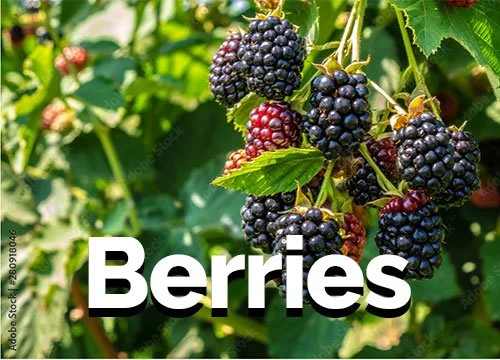
Berries Planting Calendar
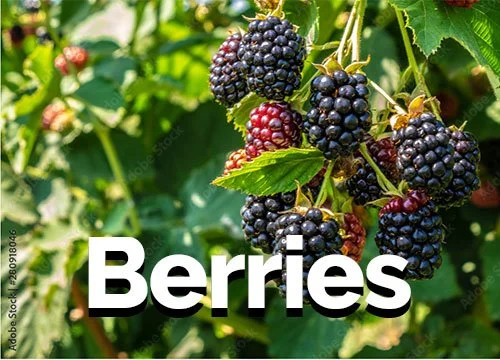
Planting Calendar for Berries.
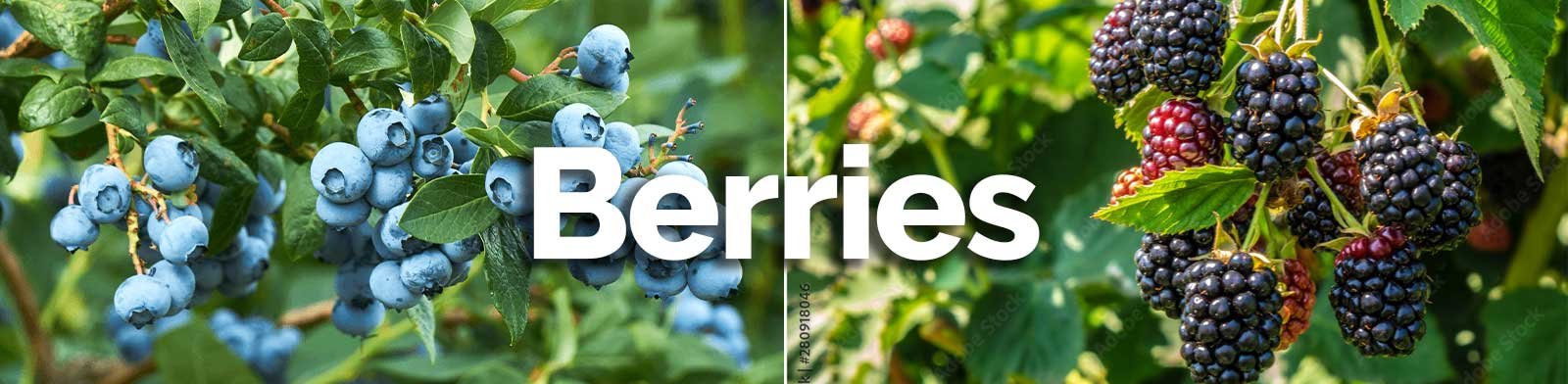
Planting & Setup
Berries are long-term crops that can produce for many years when properly established. Unlike annual vegetables, they require long term planning, good soil preparation, and consistent care. Strawberries, raspberries, blueberries, and other berries thrive in well-drained soil and full sun. Once established, they can become some of the most productive plants in your garden. Because they are perennial, it’s important to choose their location carefully and maintain them season after season. Read our blog post on pruning berry bushes.
HOW TO PLANT guide for the column below:
Direct = Directly sow your seeds in your outdoor soil at the correct depth
Transplant = Plant seedlings ("transplants") that were grown indoors
Either = Direct sow seeds or plant seedlings
| Crop Name | How To Plant | Spring Planting | Fall Planting | Germinate Indoors |
|---|---|---|---|---|
| Strawberries | Transplant | 4/15–5/30 | 9/1–10/1 | No |
| Blueberries | Transplant | 4/15–6/1 | 9/1–10/1 | No |
| Raspberries | Transplant | 4/15–6/1 | 9/1–10/1 | No |
| Blackberries | Transplant | 4/15–6/1 | 9/1–10/1 | No |
| Ground Cherries | Transplant | 5/15–6/15 | None | Yes (6–8 wks before) |
| Honeyberries | Transplant | 4/1–5/15 | 9/1–10/1 | No |
| Elderberries | Transplant | 4/1–5/15 | 9/1–10/1 | No |
| Currants | Transplant | 4/1–5/15 | 9/1–10/1 | No |
| Gooseberries | Transplant | 4/1–5/15 | 9/1–10/1 | No |
| Goji Berries | Transplant | 5/1–6/15 | 9/1–10/1 | Optional |
Growing Conditions
| Crop Name | Sunlight | Temperature Tolerances | Ideal Soil Temperature | Seed Depth | Days to Harvest |
|---|---|---|---|---|---|
| Strawberries | Full sun | 25°F–85°F | 60–75°F | 0.125 in. | 60–90 |
| Blueberries | Full sun | 20°F–85°F | 60–75°F | 0.125 in. | 90–150 |
| Raspberries | Full sun | 20°F–90°F | 60–75°F | 0.25 in. | 90–120 |
| Blackberries | Full sun | 20°F–90°F | 65–80°F | 0.25 in. | 90–120 |
| Ground Cherries | Full sun | 50°F–95°F | 70–85°F | 0.25 in. | 70–90 |
| Honeyberries | Full–part | -40°F–75°F | 50–70°F | 0.25 in. | 60–90 |
| Elderberries | Full–part | 20°F–90°F | 60–75°F | 0.25 in. | 90–120 |
| Currants | Full–part | 20°F–80°F | 55–70°F | 0.25 in. | 80–120 |
| Gooseberries | Full–part | 20°F–80°F | 55–70°F | 0.25 in. | 80–120 |
| Goji Berries | Full sun | 20°F–95°F | 65–85°F | 0.25 in. | 90–120 |
Choose a sunny spot — most berries need at least 6–8 hours of direct sunlight daily. Strawberries and blueberries are especially sun-hungry.
Plan for space: Raspberries, blackberries) spread aggressively. Give them dedicated beds with clear boundaries. Container growing works well for blueberries and strawberries if space or soil quality is limited.
Watering: Drip irrigation keeps foliage dry (reducing disease) while delivering moisture directly to roots. Water deeply and consistently during fruit development; irregular watering leads to cracking and poor flavor.
Mulch heavily (3–4 inches of wood chips or straw) to retain moisture, suppress weeds, and regulate soil temperature.
Pest & Disease Management: Bird netting is essential — birds will beat you to a ripe harvest every time. Rotate strawberry beds every 3–4 years to prevent soil-borne disease buildup.
Extend your harvest: Stagger your varieties (early, mid, and late season) to extend your harvest window across the whole summer. Keep a garden journal noting which varieties performed best in your micro-climate.
Harvests increase every year: Patience pays off. Most berries reach peak production in their 3rd–5th year. Resist the urge to give up early!
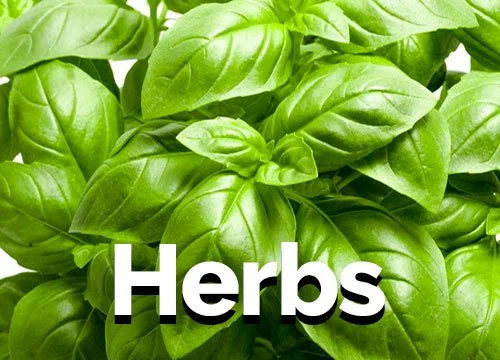
Herbs Planting Calendar
Planting Calendar for Herbs.

Planting & Setup
Herbs are among the easiest and most rewarding plants to grow. Many are highly adaptable and can thrive in a variety of conditions. Basil is especially valuable in the garden as a companion plant for tomatoes, helping with pest management and improving overall growth. Dill and cilantro benefit from staggered planting to maintain a continuous supply. Many herbs, such as oregano and sage, are perennial and will return year after year with proper care. Others, like basil, thrive in warm weather and need to be replanted each season.
HOW TO PLANT guide for the column below:
Direct = Directly sow your seeds in your outdoor soil at the correct depth
Transplant = Plant seedlings ("transplants") that were grown indoors
Either = Direct sow seeds or plant seedlings
| Crop Name | How To Plant | Spring Planting | Fall Planting | Germinate Indoors |
|---|---|---|---|---|
| Basil | Either | 5/15–6/30 | None | Yes (4–6 wks before) |
| Cilantro | Direct | 3/25–5/15 | 8/15–9/30 | No |
| Dill | Direct | 4/1–6/15 | 8/1–9/15 | No |
| Oregano | Transplant | 5/15–6/30 | None | Yes (6–8 wks before) |
| Sage | Transplant | 5/15–6/30 | None | Yes (6–8 wks before) |
| Parsley | Either | 4/1–5/30 | 8/1–9/15 | Yes (4–6 wks before) |
| Lavender | Transplant | 5/15–6/30 | None | Yes (8–10 wks before) |
| Chives | Either | 4/1–6/1 | 8/1–9/15 | Yes (4–6 wks before) |
Growing Conditions
| Crop Name | Sunlight | Temperature Tolerances | Ideal Soil Temperature | Seed Depth | Days to Harvest |
|---|---|---|---|---|---|
| Basil | Full sun | 50°F–95°F | 70–85°F | 0.25 in. | 50–70 |
| Cilantro | Full–part | 25°F–75°F | 55–70°F | 0.25 in. | 40–60 |
| Dill | Full sun | 30°F–85°F | 60–75°F | 0.25 in. | 40–60 |
| Oregano | Full sun | 40°F–90°F | 65–80°F | 0.25 in. | 80–100 |
| Sage | Full sun | 40°F–90°F | 65–80°F | 0.25 in. | 75–90 |
| Parsley | Full–part | 30°F–80°F | 55–70°F | 0.25 in. | 60–80 |
| Lavender | Full sun | 40°F–95°F | 65–85°F | 0.125 in. | 90–120 |
| Chives | Full–part | 20°F–85°F | 55–75°F | 0.25 in. | 50–80 |
Perennial Herbs (Plant Once, Return Yearly): These can be planted in early spring (as soon as the ground can be worked) or in the fall.
Chives: Plant in early spring. They are very hardy and return bigger each year.
Oregano: Thrives in full sun. Plant in spring.
Sage: Hardy perennial, best planted in spring. Does well with Mediterranean herbs.
Lavender: In Zone 6, select English or French varieties. Plant in a spot with fast-draining soil in early spring.
Rosemary: Note: Often dies over winter in Zone 6. Treat as an annual or plant in a pot to bring indoors over winter.
Annual & Tender Herbs (Replant Yearly): Plant these after all danger of frost has passed (late May is safest).
Basil: Very tender. Plant after the soil warms up, typically late May or early June. Basil loves heat.
Cilantro: Prefers cool weather. Direct sow seeds in mid-April (early spring) and again in early September for fall. It bolts (goes to seed) in hot summer weather.
Dill: Direct sow in the garden in mid-April through mid-May. Re-seed every few weeks for continuous harvest.
Parsley: Although technically a biennial, it is usually treated as an annual. Can be planted in early spring (April).
Succession Planting: To keep fresh Cilantro and Dill all season, sow new seeds every 2–3 weeks.
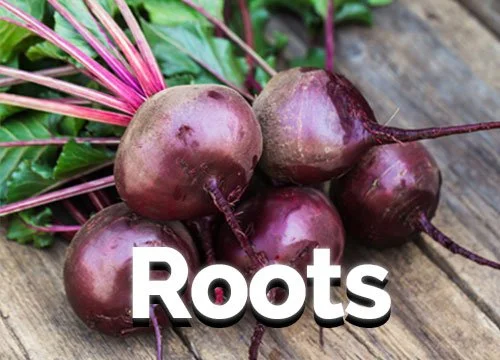
Root Crops Planting Calendar
Planting Calendar for Root Crops.

Planting & Setup
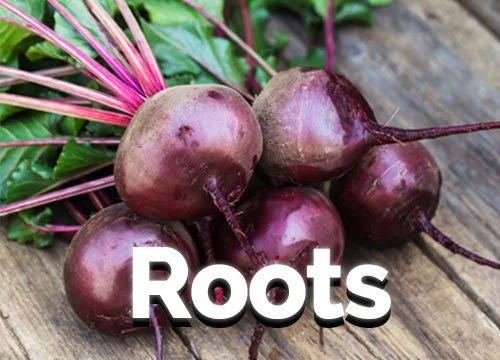
Root crops grow underground and require a different soil environment than most other vegetables. This group includes carrots, beets, radishes, potatoes, turnips, and parsnips. They develop best in loose, mineral sandy topsoil with low nitrogen levels. Since root veggies don’t like high nutrient soil, too much compost can lead to poor root development, even when plants look healthy above ground. In the Deep Roots system, root crops are grown in dedicated mineral soil beds with PhoSul fertilizer to support proper root formation with phosphorus. Alliums (onions, garlic, leeks, and more) are not root veggies and like higher nutrient soil. Read detials in our Garlic, Onion & Alliums blog post.
HOW TO PLANT guide for the column below:
Direct = Directly sow your seeds in your outdoor soil at the correct depth
Transplant = Plant seedlings ("transplants") that were grown indoors
Either = Direct sow seeds or plant seedlings
Seed Pieces = Plant cut sections of seed potatoes directly in the ground
Slips = Plant rooted sweet potato shoots grown from a mother tuber
| Crop Name | How To Plant | Spring Planting | Fall Planting | Germinate Indoors |
|---|---|---|---|---|
| Beets | Direct | 3/25–5/15 | 8/1–9/15 | No |
| Carrots | Direct | 3/20–5/15 | 8/1–9/15 | No |
| Parsnips | Direct | 3/20–5/1 | None | No |
| Radishes | Direct | 3/15–5/30 | 8/15–10/1 | No |
| Turnips | Direct | 3/25–5/30 | 8/1–9/15 | No |
| Rutabagas | Direct | 4/1–5/30 | 7/15–8/15 | No |
| Potatoes | Seed Pieces | 4/1–5/15 | None | No |
| Sweet Potatoes | Slips | 5/20–6/20 | None | Optional |
Growing Conditions
| Crop Name | Sunlight | Temperature Tolerances | Ideal Soil Temperature | Seed Depth | Days to Harvest |
|---|---|---|---|---|---|
| Beets | Full–part | 25°F–85°F | 60–75°F | 0.5 in. | 50–70 |
| Carrots | Full–part | 25°F–80°F | 60–70°F | 0.25 in. | 60–80 |
| Parsnips | Full sun | 20°F–75°F | 55–70°F | 0.5 in. | 90–120 |
| Radishes | Full–part | 25°F–85°F | 60–75°F | 0.25 in. | 25–40 |
| Turnips | Full–part | 20°F–85°F | 60–75°F | 0.5 in. | 40–60 |
| Rutabagas | Full sun | 20°F–75°F | 60–70°F | 0.5 in. | 80–100 |
| Potatoes | Full sun | 40°F–85°F | 60–70°F | 4 in. | 80–110 |
| Sweet Potatoes | Full sun | 55°F–95°F | 70–85°F | 4 in. | 90–120 |
Root crops play by different rules. Instead of trying to grow fast above ground, they want to store energy underground. They only do that when the soil sends the right signal: nutrients are present, but not excessive. In nutrient-rich compost-based soil, especially manure compost, nitrogen levels are often too high. The plant responds by putting energy into leaves instead of roots, which is why gardeners sometimes get beautiful tops but small, disappointing roots.
Beets: Thin early for baby beets and harvest the rest when full size. Although many gardeners say beets love sheep manure fertilizer, we have not yet tried it. Plant beet seeds a half inch deep and about 1 to 2 inches apart. Space rows 12 to 18 inches apart. Because each beet "seed" actually contains multiple seeds, you must thin the seedlings to a final spacing of 3 to 4 inches apart once they reach 2 to 3 inches tall.
Carrots: You can over-winter carrots in the bed to optimize sweetness. Very tiny seeds are tricky to plant. Keep seeds and new sprouts moist constantly. Great tips in video How to sow carrot seeds that includes keeping seeds moist with a board until they germinate. Check under the board everyday and remove it when the first sprout appears. To harvest carrots find one whose top is sticking out of the soil. If it pulls out easily it is ready to harvest. They will not be ready all at the same time.
Parsnips: Over-winter in the bed to optimize sweetness.
Radish: Fastest crop to grow to maturity.
Potatoes need richer, more nutrient-dense soil than many other root vegetables. They are not grown from seed, but from seed potatoes planted directly in the soil. Potatoes also have two different planting windows, depending on the variety. Determinate potatoes mature faster, produce fewer potatoes, and are usually planted for an earlier harvest. Indeterminate potatoes take longer to mature and can keep producing more potatoes as the plant grows. View our blog post about planting potatoes.
Sweet potatoes are also heavy feeders, but they are planted from slips, not seeds. Slips are seedlings grown from a sweet potato, often started in water rather than soil. Although many gardeners grow their own slips, we ordered ours online. In Zone 6a, plant sweet potato slips outdoors in late May to early June, about 3–4 weeks after the last spring frost, once the soil is at least 65ºF and nights are consistently above 55ºF. Slips are extremely tender, so wait until all danger of frost has passed.
Alliums are root bulb veggies like garlic, onions and leeks and are NOT true root veggies, They have different growing requirements like higher nutrient soil. Check our blog post on Garlic, Onions & Alliums.
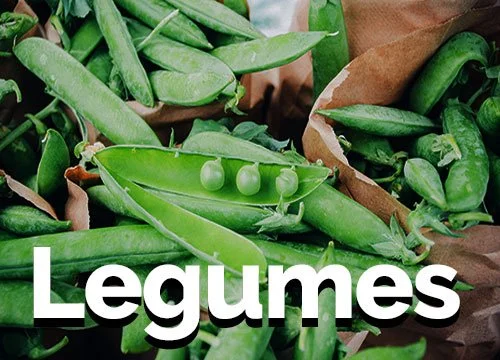
Legumes Planting Calendar
Planting Calendar for Legumes.

Planting & Setup
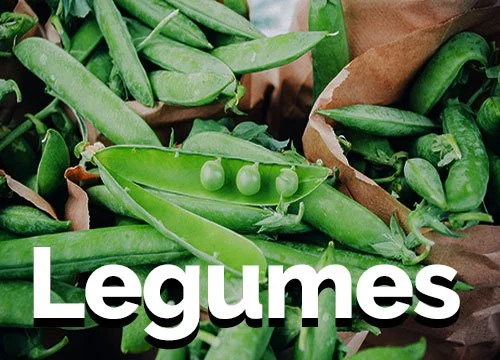
Legumes are unique in the garden because they improve soil health while producing food. This group includes peas, beans, lentils, and chickpeas, which have the ability to fix nitrogen from the air and add it to the soil. Cool-season legumes like peas can be planted early, while warm-season beans require warmer soil. In the Deep Roots system, legumes are excellent for crop rotation and help prepare soil for future plantings.
HOW TO PLANT guide for the column below:
Direct = Directly sow your seeds in your outdoor soil at the correct depth
Transplant = Plant seedlings ("transplants") that were grown indoors
Either = Direct sow seeds or plant seedlings
| Crop Name | How To Plant | Spring Planting | Fall Planting | Germinate Indoors |
|---|---|---|---|---|
| Fava Beans | Direct | 3/15–4/15 | 9/1–10/1 | No |
| Shell Peas | Direct | 3/15–4/20 | 8/15–9/15 | No |
| Snap Peas | Direct | 3/15–4/20 | 8/15–9/15 | No |
| Snow Peas | Direct | 3/15–4/20 | 8/15–9/15 | No |
| Lentils | Direct | 3/20–4/20 | None | No |
| Chickpeas | Direct | 4/1–5/1 | None | No |
| Bush Beans | Direct | 5/10–7/1 | None | No |
| Pole Beans | Direct | 5/10–6/20 | None | No |
| Edamame | Direct | 5/15–6/30 | None | No |
| Lima Beans | Direct | 5/15–6/30 | None | No |
| Southern Peas | Direct | 5/20–7/1 | None | No |
Growing Conditions
| Crop Name | Sunlight | Temperature Tolerances | Ideal Soil Temperature | Seed Depth | Days to Harvest |
|---|---|---|---|---|---|
| Fava Beans | Full sun | 20°F–75°F | 50–65°F | 1–2 in. | 75–100 |
| Shell Peas | Full–part | 25°F–75°F | 50–65°F | 1 in. | 60–70 |
| Snap Peas | Full–part | 25°F–75°F | 50–65°F | 1 in. | 60–70 |
| Snow Peas | Full–part | 25°F–75°F | 50–65°F | 1 in. | 60–70 |
| Lentils | Full sun | 25°F–80°F | 55–70°F | 1 in. | 80–100 |
| Chickpeas | Full sun | 30°F–85°F | 60–75°F | 1–2 in. | 90–100 |
| Bush Beans | Full sun | 50°F–95°F | 65–85°F | 1 in. | 50–60 |
| Pole Beans | Full sun | 50°F–95°F | 65–85°F | 1 in. | 60–75 |
| Edamame | Full sun | 50°F–95°F | 70–85°F | 1–2 in. | 70–90 |
| Lima Beans | Full sun | 55°F–95°F | 70–85°F | 1–2 in. | 70–90 |
| Southern Peas | Full sun | 55°F–100°F | 70–90°F | 1–2 in. | 60–90 |
Popular legumes for backyard gardens, beyond standard beans and peas, include Edamame (soybeans), Lima beans (butterbeans), Southern peas (cowpeas/black-eyed peas), and versatile Runner beans. These heat-loving options thrive in summer, while lentils and chickpeas can be tried for variety.
Edamame (Soybeans): A nutritious, high-protein snack, often planted in early summer for a late summer harvest.
Lima Beans (Butterbeans): Both bush and pole types thrive in warmer soil, offering a rich, creamy flavor.
Southern Peas (Cowpeas/Black-eyed Peas): Highly productive in hot, humid weather, providing both leafy greens and peas.
Runner Beans (Scarlet Runner): Known for stunning red flowers and edible, large beans, they handle slightly cooler summers better than limas.
Chickpeas (Garbanzo Beans): Can be grown, though they require a long, dry, warm season.
Asparagus Beans (Yard-long Beans): Related to cowpeas, these are productive, heat-loving, and best grown on a trellis.
Timing: Plant heat-lovers (Edamame, Limas, Cowpeas) after all danger of frost has passed, usually mid-April to May.
Trellis: Use trellises for pole varieties to save space.Providing proper support is essential, especially for climbing varieties. Regular planting of bush beans can provide a continuous summer harvest.
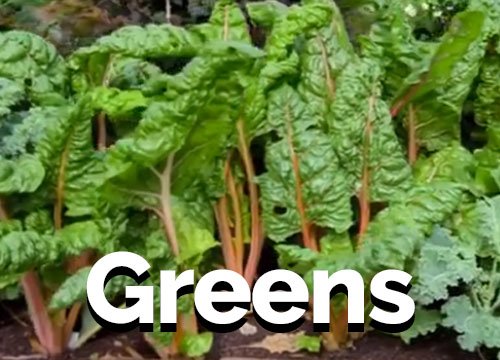
Leafy Greens Planting Calendar
Planting Calendar for Leafy Greens.
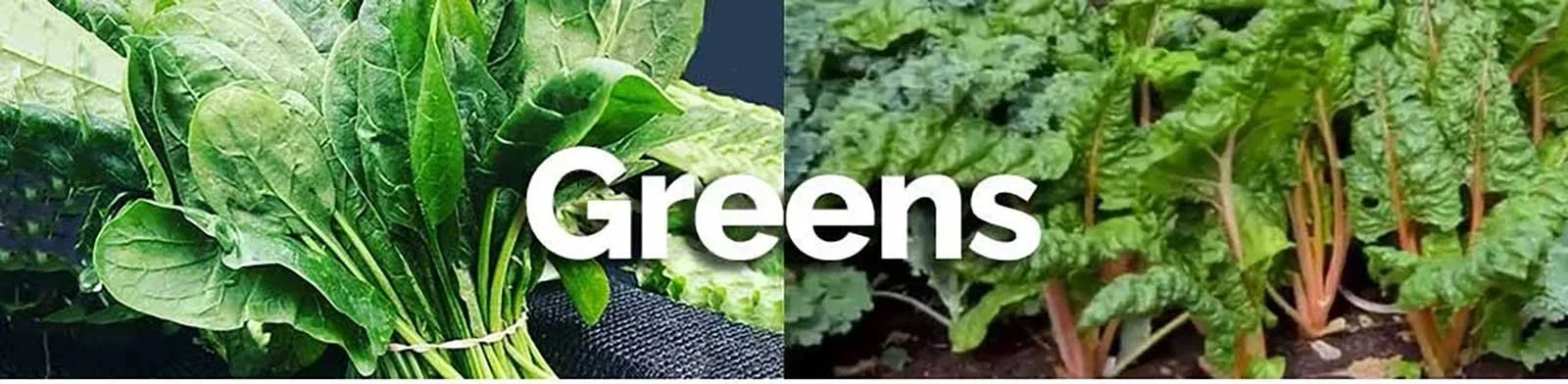
Planting & Setup
Leafy greens are fast-growing, nutrient-dense crops that can be planted multiple times throughout the season. This group includes lettuce, spinach, chard, kale, collards, and other greens that thrive in cooler weather, as well as heat-tolerant options like amaranth and red malabar spinach. Many leafy greens perform best in spring and fall, when temperatures are mild. In the Deep Roots system, leafy greens grow best in compost-rich soil that supports rapid, healthy growth. In zones 5 and 6 you can diversify cool weather hardy greens and heat-tolerant leafy greens to ensure a continuous harvest from spring through fall.
HOW TO PLANT guide for the column below:
Direct = Directly sow your seeds in your outdoor soil at the correct depth
Transplant = Plant seedlings ("transplants") that were grown indoors
Either = Direct sow seeds or plant seedlings
| Crop Name | How To Plant | Spring Planting | Fall Planting | Germinate Indoors |
|---|---|---|---|---|
| Amaranth | Direct | 5/15–7/1 | None | No |
| Collard Greens | Either | 4/1–5/30 | 8/1–9/1 | Optional |
| Kale | Either | 3/25–5/30 | 8/1–9/15 | Optional |
| Lettuce | Direct | 3/20–5/15 | 8/15–9/30 | No |
| Red Malabar Spinach | Direct | 5/20–7/1 | None | No |
| Spinach | Direct | 3/15–5/1 | 8/15–9/30 | No |
| Swiss Chard | Either | 4/1–6/1 | 8/1–9/1 | Optional |
| Asian Greens | Either | 3/25–5/15 | 8/15–9/30 | Optional |
Growing Conditions
| Crop Name | Sunlight | Temperature Tolerances | Ideal Soil Temperature | Seed Depth | Days to Harvest |
|---|---|---|---|---|---|
| Amaranth | Full sun | 50°F–100°F | 70–90°F | 0.25 in. | 30–50 |
| Collard Greens | Full–part | 20°F–85°F | 60–75°F | 0.5 in. | 50–70 |
| Kale | Full–part | 15°F–80°F | 60–70°F | 0.5 in. | 50–70 |
| Lettuce | Full–part | 28°F–75°F | 55–70°F | 0.125 in. | 30–60 |
| Red Malabar Spinach | Full–part | 55°F–100°F | 75–90°F | 0.5 in. | 60–80 |
| Spinach | Full–part | 20°F–70°F | 50–65°F | 0.5 in. | 30–50 |
| Swiss Chard | Full–part | 25°F–90°F | 60–75°F | 0.5 in. | 50–60 |
| Asian Greens | Full–part | 25°F–75°F | 55–70°F | 0.25 in. | 30–50 |
Kale and collards greens are considered leafy green vegetables and are, in fact, among the most nutrient-dense options in that category. Both are dark green, cruciferous vegetables, making them excellent sources of vitamins A, C, and K, as well as fiber, iron, calcium, and antioxidants
Red malabar spinach is a “fake spinach” that is a prolific vining plant that loves summer heat.
Lacinato and dinosaur kale are the exact same with dark blue-green, bumpy, crinkled leaves. Curly kale is best grown in spring and fall for a sweet taste after a frost.
Kale (Lacinato/Dino, Curly): Highly frost-resistant and thrives in early spring and fall. Flavor often improves after a light frost.
Arugula: Fast-growing, peppery green that loves the cool spring and fall. It can be harvested in as little as three weeks.
Mustard Greens (Red Giant, Green Wave): Heat-tolerant enough for summer, providing a spicy kick to salads. Pick young for less heat.
Collard Greens: One of the hardiest greens, suitable for spring, summer, and late fall.
Asian Greens (Tatsoi, Mizuna, Bok Choy): Excellent for quick spring or fall succession planting. They are fast-growing and hold up well in cool weather.
Beet Greens: You can plant beets primarily for their leafy greens, which are nutritious and fast-growing.
New Zealand Spinach: A fantastic heat-tolerant alternative to traditional spinach that thrives in summer.
Orach (Mountain Spinach): A colorful, heat-tolerant relative of spinach that doesn't bolt quickly in summer.
Sorrel: A perennial green with a tangy, lemon-like flavor that can be harvested early in spring and late into autumn.
Zone 6 Planting Schedule
Early Spring (March-April): Direct sow spinach, kale, lettuce, arugula, and Swiss chard as soon as the soil can be worked.
Summer (June-July): Plant heat-loving greens like Malabar spinach, Amaranth, New Zealand spinach, and Swiss chard.
Fall Garden (August-September): Resow arugula, lettuce, spinach, kale, and mustard greens for harvests that can continue into November.
Tips for Zone 6 Greens
Succession Planting: Sow new seeds every 2-3 weeks for a continuous supply.
Shade Cloth: Use shade cloth in July and August to prevent greens from bolting.
Overwintering: Kale and spinach can often survive the winter with a little protection, providing very early spring greens.
Lettuce Varieties
Different lettuce varieties have distinct planting dates and maturity timings, largely based on their heat tolerance and type.
Fast-growing leaf lettuces mature in 40–60 days, while
heading types (Romaine, Crisphead) take 70–100+ days.
Early spring/fall plantings favor cool-weather types, while
summer planting requires heat-tolerant, slow-bolting varieties.
Maturity Timing by Type:
Loose-leaf: Fast (40–60 days).
Butterhead/Boston: Medium (55–75 days).
Romaine/Cos: Slower (70–85 days).
Crisphead/Iceberg: Longest (70–100 days).
Planting Dates & Strategies:
Spring: Plant as soon as the soil can be worked.
Summer: Use heat-resistant varieties (e.g., Summer Crisp) to avoid bitter taste and premature bolting.
Fall: Plant in late summer to early fall (Aug–Oct) for a late harvest.
Succession Planting: Plant new seeds every 2–3 weeks for a continuous, steady harvest.
Key Considerations:
Loose-leaf and butterhead varieties can be harvested as "cut-and-come-again" at almost any stage.
Crisphead is the most challenging and requires a long, cool season.
Pair varieties with the season: cold-hardy for early spring/late fall, and heat-tolerant for summer.
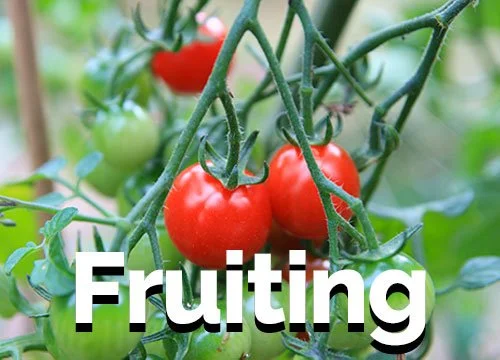
Fruiting Plants Calendar
Planting Calendar for Fruiting Plants - like tomatoes and peppers.
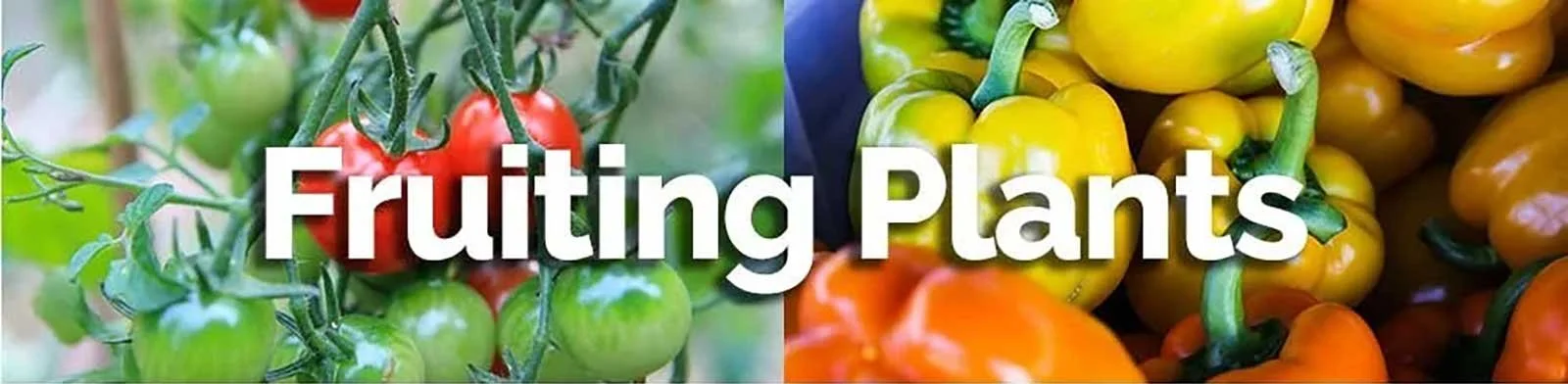
Planting & Setup
Tomatoes, peppers, eggplant, and tomatillos are heavy-feeding plants that require warm temperatures and rich soil to perform well. These crops should only be planted once soil temperatures have warmed sufficiently.
Tomatoes benefit from deep planting, careful pruning, and spacing that allows for airflow to reduce disease pressure. Peppers and eggplants prefer consistently warm conditions and steady growth.
Companion planting can help maximize production. We often alternate tomatoes with basil, marigolds, and greens to create a balanced and productive bed.
Season extension tools like row covers can help protect young plants and extend harvests later into the season.
HOW TO PLANT guide for the column below:
Direct = Directly sow your seeds in your outdoor soil at the correct depth
Transplant = Plant seedlings ("transplants") that were grown indoors
Either = Direct sow seeds or plant seedlings
| Crop Name | How To Plant | Spring Planting | Fall Planting | Germinate Indoors |
|---|---|---|---|---|
| Eggplant | Transplant | 5/15–6/10 | None | Yes (6–8 wks before) |
| Peppers (Sweet) | Transplant | 5/15–6/10 | None | Yes (6–8 wks before) |
| Peppers (Hot) | Transplant | 5/15–6/10 | None | Yes (6–8 wks before) |
| Tomato (Cherry) | Transplant | 5/10–6/10 | None | Yes (6–8 wks before) |
| Tomato (Roma) | Transplant | 5/10–6/10 | None | Yes (6–8 wks before) |
| Tomato (Heirloom) | Transplant | 5/10–6/10 | None | Yes (6–8 wks before) |
| Tomatillo | Transplant | 5/15–6/10 | None | Yes (6–8 wks before) |
Growing Conditions
| Crop Name | Sunlight | Temperature Tolerances | Ideal Soil Temperature | Seed Depth | Days to Harvest |
|---|---|---|---|---|---|
| Eggplant | Full sun | 50°F–95°F | 70–85°F | 0.25 in. | 70–90 |
| Peppers (Sweet) | Full sun | 50°F–95°F | 70–85°F | 0.25 in. | 60–90 |
| Peppers (Hot) | Full sun | 50°F–100°F | 70–85°F | 0.25 in. | 70–100 |
| Tomato (Cherry) | Full sun | 45°F–95°F | 65–85°F | 0.25 in. | 55–75 |
| Tomato (Roma) | Full sun | 45°F–95°F | 65–85°F | 0.25 in. | 70–90 |
| Tomato (Heirloom) | Full sun | 45°F–95°F | 65–85°F | 0.25 in. | 75–95 |
| Tomatillo | Full sun | 50°F–95°F | 70–85°F | 0.25 in. | 70–90 |
Seeds or seedlings? Plant either seeds or seedlings for all cultivars – eggplants, peppers, and tomatoes.
Placement: Alternate peppers, small marigolds, and basil in a bed. Place kale, lettuce and chard on the south side of the tomatoes if there is room.
Tomatoes: Indeterminate tomatoes need a tall stake since they never stop growing. Determinate tomatoes are smaller and produce all fruit at once. Plant seedlings deep so part of the stem is under soil.
Watering: Don’t water very much, other than at the beginning. Deep water every few days. View a video on tomato pruning. View our blog post on Tomato Growing Tips.
Pests & diseases: Plant disease resistant cultivars. Prune the lower leaves up to 10” to prevent fungal spores from splashing upwards. Dip your tool in alcohol as you prune diseased leaves. View tomato disease prevention post.
Eggplant: Plant disease resistant cultivars. Plant mini-eggplant seedlings in midsummer for a fall crop.
Season extension. A lightweight “floating row cover” might provide 2ºF of frost protection, whereas a heavy-weight row cover might provide as much as 6ºF to 10ºF of frost protection. In the spring, when transplants are small, row cover can often be simply draped over plants without a frame.