

Environmental Pest Management (EPM)
Environmental Pest Management (EPM) for organic food gardening is responsible environmental stewardship. Although EPM is modeled after the older Integrated Pest Management (IPM) it doesn’t allow use of toxic chemicals that are banned under the USDA organic standards. Contact your local botanic garden information service OR state university agricultural extension for help to identify treating pests. But only use the organic safe sprays we recommend in this post. Learn more about our growing method in two recently revised blog posts.
Environmental Pest Management (EPM) for organic food gardening is responsible environmental stewardship. Although EPM is modeled after the older Integrated Pest Management (IPM), it doesn’t allow use of toxic chemicals that are banned under the USDA organic standards. Contact your local botanic garden information service OR state university agricultural extension for help in identifying and treating pests. But only use the organic safe sprays we recommend in this post.

Learn more about our growing method in two recently revised blog posts.
EPM is all about multi-tasking
EPM tools and methods suppress and marginalize pests, and don’t totally eliminate all pests forever.
Previous attempts to totally eliminate pests with toxic chemicals never worked. Beyond Pesticides has a webpage with all the diseases caused by toxic chemical pesticides.
The combined use of EPM tools and methods are far more effective than the tools individually. These tools have limited impact as solo treatments. But combining EPM practices will deliver substantial pest relief to your garden without jeopardizing our environment or humans. Examples of multiple care methods include selection of diseases resistant varieties, proper spacing for air circulation, siting plants for their specific light requirements, proper watering, crop rotation, and bio-diverse planting. Throughout the season remove any badly affected leaves, practice good sanitation in fall by removing plant material. Find further discussion on insect and disease prevention at the Organic Gardening in NC State Extension website.
Treat the whole garden and use all the EPM tools all the time. We provide details below about what sprays to use and the frequecy of use. Not all pest control measures apply to all conditions. If you have an extreme infestation call us for a recommendation about using high-potency organic sprays.
Regularly practice ALL EPM methods
EPM is an integrated package. It's important to regularly practice all EPM methods.
Preventing pests and diseases will be far easier than managing them later. If you use all the EPM tools regularly you will have a major reduction in pests and diseases throughout the season. Spraying organic pesticides and fungicides regularly is only one supporting tool and will not be fully effective alone. Respect and practice all the parts of EPM as one tightly integrated system, so eventually they become habits that you are accustomed to and enjoy doing.
Pest prevention with a bio-diverse garden at its core is the key to success for your plants, your harvest and your enjoyment of gardening. Biodiversity planting is the foundation of EPM. Practicing EPM without a bio-diverse garden will be only partially effective - not the full protection you need for a flourishing garden and peace of mind. Learn more about practical steps of biodiversity and succession planting.
The entire EPM system has universal applications in every region and climate zone. Contact your local agricultural extension or botanic garden information service for help if you see a persistent pest problem.
Planting for biodiversity
Mass plantings of a single crop increases the vulnerability of the plants to insect pests and diseases. A proven method for discouraging pest infestations is the bio-diversity planting method. Traditionally, vegetable gardens follow the pattern of “mono-cropping” - growing a single crop. That means segregating cultivars (cultivated varieties) into rows and blocks, or filling a small plot or bed with a single crop. That practice mimics commercial production, perhaps based on the assumption that commercial growers know best. If a tomato plant is susceptible to Late Blight and it is surrounded by tomatoes, they are all vulnerable and the possibility of mass-infestation becomes a probability.
With bio-diversity a dozen or more crop varieties are placed throughout the beds including root crops, leafy greens, flowers, herbs, and fruiting crops (tomatoes and squash), beans and peas. Compared to the standard garden layout it looks like chaos but it resembles the biodiversity found in natural systems.
Choosing disease resistant plants
Planning your garden by choosing disease resistant plants is another useful EPM strategy for keeping plants healthy. Vegetable breeding research typically integrates disease resistance into their programs. Many bacterial, fungal, and viral problems can be marginalized by choosing seeds whose genetics favor the host plant over the pathogen. This method reduces infestation but doesn't eliminate diseases completely. Unfortunately, it doesn’t help suppress insect pests.
Take the time to learn how to plant many crops from seed by exploring seed catalogs. They are a source of helpful information and a great learning tool. Our favorite catalogs are High Mowing Seeds, Johnny’s Seeds, and Baker Creek Seeds.
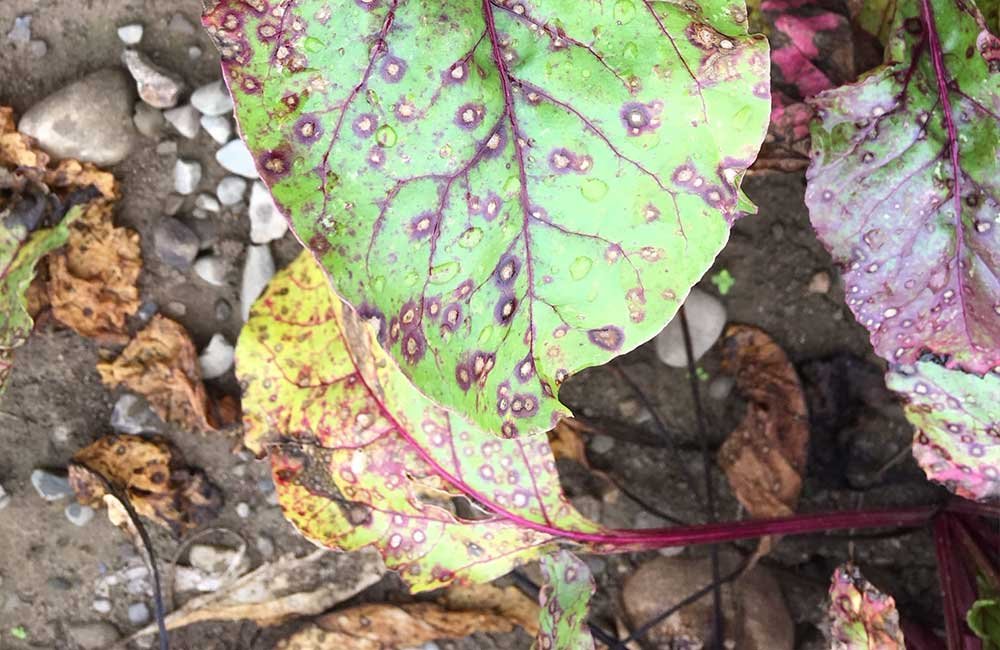
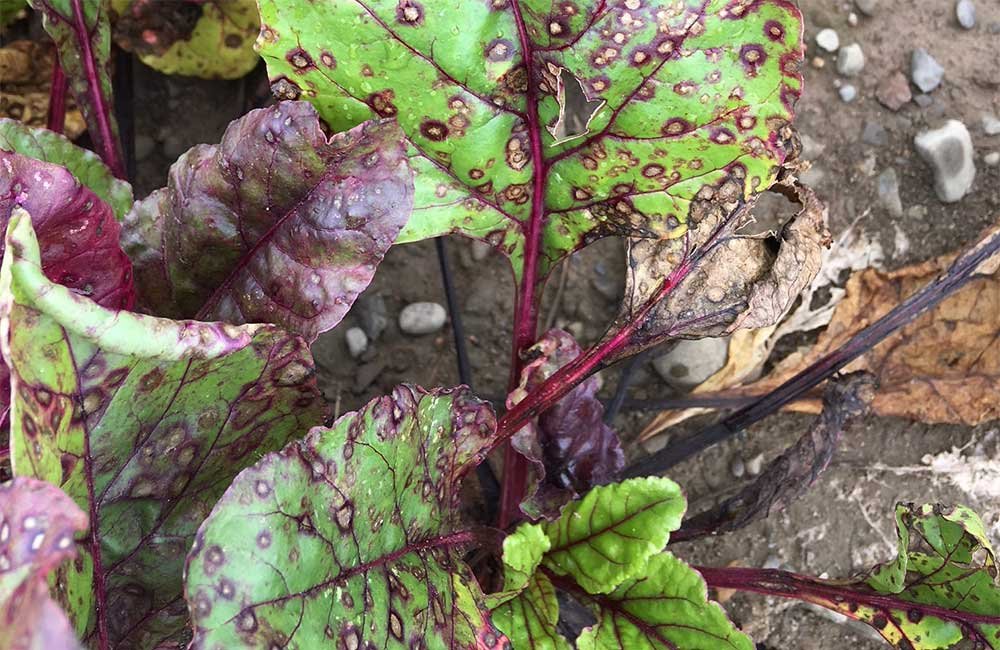
Beneficial and predatory insects
The insect world is populated by predators and prey. We can recruit Insect predators to eliminate their prey. Ladybugs consume huge amounts of aphids. Parasitic wasps feast on cabbage loopers and tomato hornworms. The preying mantis targets grasshoppers. Some nematodes prey on slugs and snails. Parasitizers, like Trichogamma wasps, are bugs that lay eggs in their prey and when the larvae hatch, they feed on the prey. Dragonflies are a top predator with a voracious appetite that keep a healthy balance between all the insects in your yard including ornamental and native plants.
Various beneficial insect species can be purchased at garden stores and are used to control invasions of certain insects or just to achieve balance among insect populations. In some cases it will be possible to establish communities of such predators in your garden. Pollinators will be attracted by many species of flowers and aromatic herbs. Diversity of plants leads to diversity of insects.
Pest management with flowers & herbs
HERBS
Basil – Repels thrips, flies and mosquitoes.
Cilantro – Wards off aphids, Colorado potato beetles, and spider mites
Chives – Repels aphids
Dill – Can keep aphids, spider mites and squash bugs away from vegetables
Oregano – Repels cucumber beetles and cabbage butterfly. Good understory crop that you can plant everywhere. Cut some out when you need space for a new plant.
Mint – Plant mint in small containers and place them next to your beds. If you plant the mint in your beds they will take over!
FLOWERS
Cosmos – Attracts good insects like bees and butterfly, also repels the corn earworm
Marigold – The marigold is probably the most well-known plant for repelling insects. French marigolds repel whiteflies and kill bad nematodes. Mexican Marigold are the most potent for pest prevention but are not the most beautiful variety. Since garden centers will likely not stock these seedlings, grow them from seed indoors or in a “cold frame” (a raised bed protected with a glass or plastic cover).
Nasturtium – They deter striped pumpkin beetles and other pests of the cabbage family. Nasturtiums grown near squash are said to repel squash bugs. They can be used as a trap crop for aphids.
Sunflowers – They repel asparagus beetles, leafhoppers, a range of aphids, tomato worms, and a good many other pests.
BIRDS
Birds are often a neglected piece of this puzzle, but their impact on insect populations should not be underestimated. Install some bird feeders near the garden. Encouraging their presence will lead to more ecological balance and fewer pest issues.
The breadth of insect knowledge is encyclopedic, but you need not become an entomologist to benefit from it. Just be aware of the opportunities and take advantage of them as they present themselves. Consider installing bird houses and hummingbird feeders.
Visual inspection and manual removal
Make visual inspection your habit. It’s important to keep in mind that there is no substitute for visual inspection of the garden and physical removal of pests when possible. You may discover a huge hornworm dining on a tomato plant - you can grab it and remove it from the garden. Fungal and bacterial diseases that appear on the lower leaves of plants can be simply removed. When you’re in the garden be on the lookout for invasive activity – and act on it! Know when garden hygiene is necessary to prevent spreading of fungal and bacterial diseases by the gardener (your tools and fingers).
Control fungal diseases in humid climates. In areas like the Midwest and East Coast with humid weather and rampant fungal, viral and bacterial plant diseases that live in the soil get in the habit of regularly disinfecting tools and pots. Dip (or spray) clippers, shears and scissors in 100% alcohol before starting to remove infected leaves from a plant. Dip again each time you clip off a leaf or stem. Make sure it falls into a bag and not on the plant or soil. Spray them again when you are done. When using scissors to cut off infected leaves from tomatoes let them fall into a paper bag. Don’t use your fingers to pull them off which will just spread the disease further. Use hand sanitizer on your finger tips if you touch infected leaves. Use disposable gloves so your fingers don’t touch the alcohol.
Use dilute bleach to sterilize large tools and pots before reusing them. Here is our method: (1) Wash off soil and debris in a tub of soapy water with a small bristle brush. (2) Rinse. (3) Soak in 10% bleach for 20 minutes. (4) Let them dry. (5) Soak them in fresh clean water for a few minutes. (6) Let them dry again. Doing this easy cleaning task when necessary will save stress and time later.
Prevent flying pests from landing on crops
Physically blocking flying pests from landing on crops and laying eggs can be an effective method for protecting your plants. Remember that these physical barriers should be employed alongside other integrated pest management (IPM) strategies, such as biological control and crop rotation, to ensure long-term, sustainable pest control.
Here are some ways to achieve this:
Floating row covers: These lightweight, translucent fabrics can be draped over crops and secured at the edges, providing a physical barrier that prevents pests from reaching the plants. Row covers allow sunlight, air, and water to pass through, so they don't hinder plant growth. They are effective against cabbage moths, squash vine borer moths, and other pests like flea beetles, aphids, and leaf miners.
Insect netting: Similar to row covers, insect netting can be draped over crops or used to enclose an entire growing area. The mesh size should be small enough to prevent the target pests from passing through. Insect netting can protect various crops from pests like cabbage moths, squash vine borer moths, carrot rust flies, and whiteflies.
Greenhouses or high tunnels: Enclosing your crops in a greenhouse or high tunnel can provide a physical barrier against flying pests. Good ventilation is essential to avoid overheating and to maintain healthy plants. Greenhouses and high tunnels can protect a wide range of crops, such as tomatoes, peppers, lettuce, and cucumbers, from various flying pests, including aphids, whiteflies, and moths.
Companion planting: Some plants release chemicals that repel pests or attract beneficial insects that prey on pests. Planting these companion plants near your susceptible crops can help deter flying pests. For example, nasturtiums can repel cabbage moths, while marigolds can help repel whiteflies.
Physical traps: Sticky traps, pheromone traps, and light traps can be used to catch and reduce the population of flying pests. These traps can be effective against pests like cabbage moths, squash vine borer moths, and whiteflies.
Root and lower stem protection: Prevent the Squash Vine Borer from laying its eggs where the root and stem connect by surrounding that area with a sturdy paper cup with the bottom cut out. OR wrapping the area in aluminum foil.
Many crops can be protected this way from other flying pests:
Brassicas (cabbage, kale, broccoli, cauliflower) from cabbage moths and cabbage root maggots
Tomatoes, peppers, and eggplants from tomato hornworms and whiteflies
Lettuce and leafy greens from aphids and leaf miners
Carrots and parsnips from carrot rust flies
Cucurbits (cucumbers, melons, pumpkins) from cucumber beetles and squash bugs
Use organic pesticides as a last resort
NEEM Oil is often viewed as the be all and end all product for its insecticidal and fungicidal properties. Learn more about Neem Oil uses and drawbacks.
Bacillus thuringiensis or Bt is a naturally occurring soil bacterial parasite. There are different strains available. Learn more about BT – timing limitations, specific insects controlled, and storage/shelf life requirements.
Pyrethrins are derived from plants and are commonly sprayed as mosquito repellants. They are fairly nonselective insect killers and highly toxic to bees.
Spinosad is derived from a bacterium and classified as an organic pesticide. Try to avoid using it because It is also toxic to bees.
Trichoderma is a naturally occurring soil fungus that displaces gray mold. It has also shown some insecticidal impact. It is generally used agriculturally. There's minimal information on its usefulness in the home garden. Learn more here.
Insecticidal soap is another option for insect control. See below. Don’t use horticultural oils which are made from refined petroleum. Learn more about Insecticidal soap.
Copper and Sulfur are considered low toxicity, effective fungicides. Fungicides can help slow the spread, but don’t remove the problem. Use them alone with good management practices. They are often used to prevent disease. But it's a lot of spraying. It's always a good idea to do a test application on a small area, wait 24-48 hours to see if there is any phytotoxic effect.
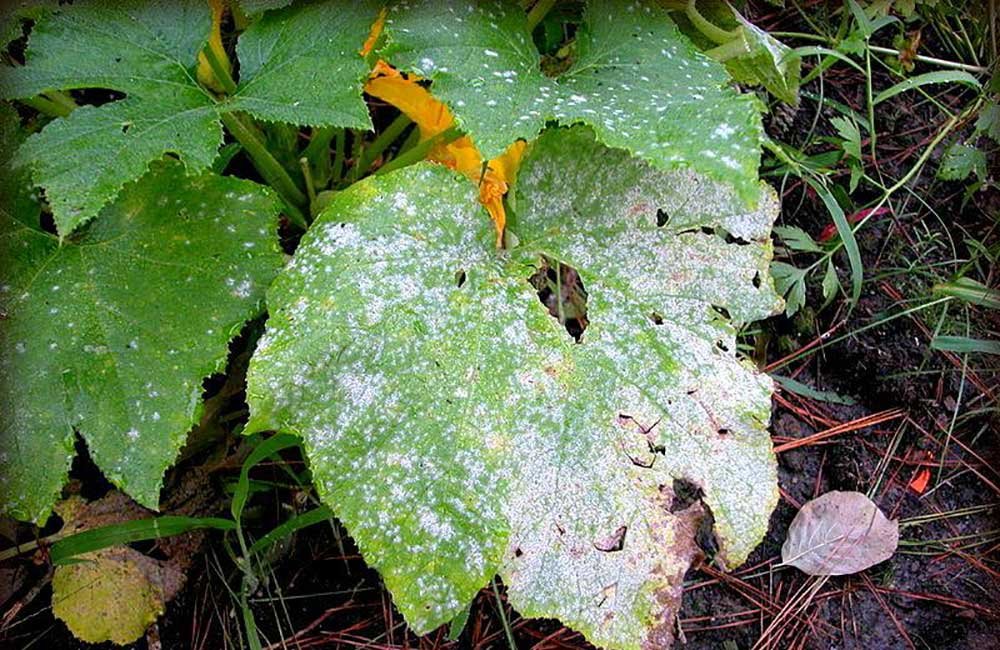
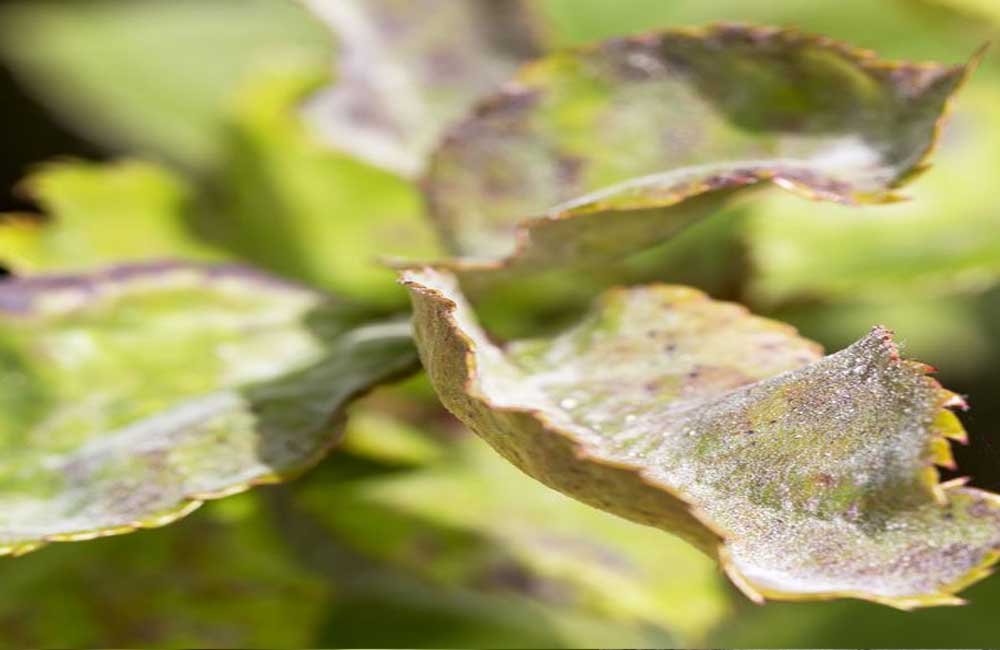
Our Innovative Food Gardening Method
Learn more in our two recently revised blog posts.
Our online store
See our online store for details about prices, ordering and delivery of raised beds, compost, worm castings and more. Please contact our customer support team before placing an order online so we can assist you with the details and answer your gardening questions.
QUESTIONS? COMMENTS?
Contact us at (708) 655-5299 or support[at]deep-roots-project.org.
Stay in touch
Please leave your cell phone number when you sign up for our eNewsletter, if you want text message announcements now and then.
Donations help us provide organic kitchen gardening education to individuals, organizations, and entire communities. Thank you in advance for contributing to our community and for sharing our website and blog with friends and family.

Grow Your Own Food
DRP is dedicated to teaching how to grow food in organic kitchen gardens with limited space. We are building on the strength of the organic gardening movement with our innovative method called “transformative gardening” which was inspired by raised beds and “regenerative gardening” science. We are taking organic to the next level by emphasizing healthy soil and huge diverse populations of soil microbes.
Deep Roots Project teaches how to grow food in organic kitchen gardens with limited space and raised beds. We provide our gardeners with the best products for success – like cedar raised beds, microbe-rich compost and microbe-rich worm castings. We use the latest soil science to build on the strengths of both organic and regenerative gardening with our innovative method called Transformational Gardening.

Soil health, our health, planet health
With help from the latest soil science we are taking organic to the next level in our new “Transformational Gardening” method. We nurture healthy soil teeming with huge diverse populations of soil micro-organisms (microbes and fungi) that feed and support healthy crops and healthy eco-systems. Our certified professional horticulturist Rafa Crevoshay, created an innovative, easy-to-use and economical food growing method for beginner and experienced gardeners with busy lives.
Transformational gardening combines the best practices of organic and regenerative farming and applies them to kitchen gardens with raised beds and large containers. Integrating the two systems addresses their shortcomings and adapts them to small growing spaces. The result is a robust and resilient ecological system that promotes soil health and crop biodiversity. Read our blog post Organic & Regenerative Farming for the full story.
Learn to work in partnership with nature.
Soil health is top priority. Healthy soil promotes healthy plants and large harvests. The foundation of soil health is robust microbial populations that feed on abundant organic matter. The soil microbes transport nutrients to plant roots in a form that the plants can use more efficiently. The healthy soil microbes and the plant roots have a mutual aid pact. They need each other and they feed each other. We want the soil microbes to do most of the gardening work for us. Read more about soil science in our post Compost, Microbes and Soil Science.
Become an eater who cares
Let us teach you how to grow your own food in a yard, in a pot, in a raised bed, or in a community garden. Deep Roots connects you to the Earth and connects you to each other.
People who grow their own food care about:
Nature, native plants and protecting wildlife habitats.
Reversing climate change by switching to soil friendly farming.
Food security and food access for everyone on the planet.
Healthy lifestyle and healthy eating for our family and community
Celebrating life & the magic of nature - Planting Seeds Music Video
Grow food with 3 powerful organic products
Three microbe-rich and nutrient-rich organic products take the place of traditional top soil, soil blends and traditional bagged organic fertilizers purchased at garden centers.
Microbe-rich worm castings (also called vermicompost)
Our microbe-rich compost is your “new soil.” From a farm near Chicago, Rafa, our horticulturist, chose microbe-rich organically certified compost, containing manure and made with heat-generating microbes. It’s OMRI certified organic. For simplicity we like to call the microbe-rich compost in our raised beds and containers “soil.” We just call it “compost” when we use it for planting and restoring microbes and nutrients in our raised beds and containers.
Uses of microbe-rich compost during the growing cycle.
Fill new raised beds and containers (Don’t use conventional soil for food)
Replenish microbes and nutrients for mid-season crops,
Plant seedlings and seeds in your beds along with worm castings
Use as a growing medium for starting seeds to transplant later
Use to cover beds and containers with a 2-inch layer in fall and spring OR at the start of a new growing season.
Blend with topsoil for growing non-food plants – flowers, native plants and ornamentals.
Our microbe-rich worm castings replace organic bagged fertilizer purchased at garden centers. It is our primary soil amendment. It is rich with micro-organisms & nutrients and used when planting seeds and seedlings (also called transplants). All worm castings are not equal. Our worm castings from a Wisconsin farm have more densely packed nutrients and micro-organisms than our compost because the worms are fed huge piles of composted manure. It’s powerful and gentle. Don’t worry about applying too much. View our worm castings store page and worm castings blog post.
Fish emulsion is a popular liquid organic fertilizer made from fish waste that is rich in nitrogen and microorganisms. It supplies the primary and secondary nutrients plants need to grow healthy and strong. And most importantly, it nourishes the beneficial micro-organisms that are in the soil. Buy it online or at garden centers.
Why we don't talk about fertilizer
We focus instead on robust populations of diverse microbes. It’s time to let go of your old beliefs about how to grow a successful food garden. We don’t use the word “fertilizer” because our system is based on the principle that robust populations of diverse microorganisms (microbes and fungi) will feed and support the plants far better than commercially manufactured fertilizers like nitrogen, magnesium and potassium. A diverse army of microbes make nutrients and other chemicals available to the plant’s root hairs is forms they can more easily absorb. If the delivery of nutrients and other essentials is functioning well, your plants will be strong, healthy and happy.
Transformational gardening is flexible
Customize it to your crop preferences and available time. It’s easier to learn than traditional organic gardening since we don’t use lots of different commercial fertilizers in specific amounts. Don’t worry how much worm castings you apply since it is very gentle. More will only make your plants happier. Adjust your developing gardening habits to fit the food you love to eat and your available time.
“Learn from your plants” is our horticulturist Rafa’s favorite phrase. Gardening is an evolving and enjoyable learning experience. It’s time to change old gardening and eating habits. Most traditional organic gardening organizations and master gardeners believe you cannot use 100% compost to fill raised beds and containers. But the new soil science and our experience prove otherwise.
Want to buy microbe-rich compost like ours outside the Chicago area? Gardeners in other areas can find organic microbe-rich compost made with heat-generating microbes and containing manure through the U.S. Composting Council (USCC) database. Make sure the vendors in your area don't use wood chips or tree waste. Contact our support team to help find a vendor in your area.
Don’t amend bad soil in your yard for a food garden. It’s not worth the labor and time. Plus, you don’t know what toxins are in the soil. Don’t buy bagged commercial soil even if it says organic on the label since it usually lacks optimal nutrition. Most bagged commercial soil labeled organic contains large amounts of shredded tree bark and doesn’t have the microbe and nutrients your food crops need.
Raised beds are best
Our co-executive director, Will Schreiber, designs and builds sturdy cedar raised beds in our Oak Park, IL workshop. Eastern red cedar has excellent rot resistance and resists insect attack. It is used as a “soil contact” wood. Our raised bed design prevents the cedar boards from breaking due to freezing and thawing soil during zones 5 and 6 cold winters.
We recommend cedar raised beds that are 15” high. Pine/fir wood raised beds are okay, but they rot much sooner than cedar. You should never use wood treated with chemicals for food gardens if you choose to construct your own raised beds. Learn more in our blog post Why Raised Beds Are Best. View our raised beds online store section.
“Grow Your Own Food” blog posts
See the full list of our “Grow Your Own Food” blog posts divided into 6 categories. Each post is assigned ”tags” which are under the post title. If you need a quick answer to a gardening question give us a call, send a text message or send an email to our customer support team – support[at]deep-roots-project.org AND 708-655-5299. If you leave a voicemail include the best times we can call you back.
Deep Roots online store
See our online store for details about prices, ordering and delivery of raised beds, planter boxes, microbe-rich compost, worm castings, leaf mulch and more. We don’t sell traditional soil, since we use 100% compost as our growing medium. Our online store has 2 sections – (1) raised beds and planter boxes and (2) compost, worm castings, fertilizer.
Please contact our customer support team before placing an order online so we can assist you with the details and answer your gardening questions. You can pay by credit card on the store or by check.
Contact us at (708) 655-5299 or support[at]deep-roots-project.org.
Sign up for our newsletter
Please leave your cell phone number when you sign up for our eNewsletter, if you want text message announcements.
Donations help us provide organic kitchen gardening education to individuals, organizations, and entire communities. Thank you in advance for contributing to our community and for sharing our website and blog with friends and family.

Gardening with Kids IS Fun
Children are often fascinated by the process of growing their own food and can learn valuable lessons about the environment, healthy eating, and responsibility. It provides them with the opportunity to engage with nature and learn important life skills in a fun and educational way. Not only does gardening promote physical activity and encourage healthy eating habits, but it also teaches children about science, the environment, and the process of growth and development.
Children are often fascinated by the process of growing their own food and can learn valuable lessons about the environment, healthy eating, and responsibility. It provides them with the opportunity to engage with nature and learn important life skills in a fun and educational way. Not only does gardening promote physical activity and encourage healthy eating habits, but it also teaches children about science, the environment, and the process of growth and development.

Gardening is fun and educational for kids
Great way to get children moving and active. Children spend a lot of time indoors these days, and gardening provides them with the opportunity to get outside, breathe in fresh air, and engage in physical activity. This can include tasks such as digging, planting, and watering, which all require physical effort and help to build strength and coordination.
Opportunity to learn about the environment and the natural world. Children can observe the process of growth and development as plants grow from seeds to mature plants, and learn about the role that light, water, and soil play in this process. Gardening also provides children with the opportunity to learn about different types of plants and the wildlife that depend on them, including insects and birds. This helps to build an appreciation for the environment and a sense of responsibility for taking care of it.
Teaches children valuable life skills. Children can learn how to plan, prepare, and care for a garden, and they can also learn how to work as a team. This includes understanding the importance of communication and cooperation, as well as the satisfaction that comes from achieving a goal as a team. Gardening also provides children with the opportunity to learn about budgeting and resource management, as they may need to make decisions about which plants to buy and how much to spend.
Opportunity to develop creativity and imagination. Gardening allows children to express themselves through the plants they choose to grow and the way they arrange their garden. This can be especially important for children who struggle with more traditional forms of expression, such as writing or drawing. Gardening provides them with the opportunity to create and take pride in their own unique space.
A great way to foster a love of science and learning. Children can learn about the anatomy of plants, how they grow and reproduce, and the role of photosynthesis in the growth process. They can also learn about the different ways that plants adapt to their environment, and the role that different types of soil, light, and water play in this process. This can provide children with a hands-on, interactive way to learn about science and the natural world.

Some tips to help get started
Start small: It's important to start with a manageable garden that is easy for children to care for. Consider planting a small herb or vegetable garden that can be tended to by children with adult supervision.
Get hands-on: Children learn best when they are actively involved, so try to incorporate hands-on activities into the gardening process. For example, have children help to plant seeds, water the plants, and harvest the produce.
Make it interactive: Encourage children to take an active role in the gardening process by asking questions, having them make decisions about what to plant, and encouraging them to observe and learn about the plants as they grow.
Use technology: There are many educational apps and websites that can help to make gardening more interactive and fun for children. Consider using a gardening planning app.

Food gardening activities
If you're considering starting a food garden with your kids or at your school, church or community center, here are some tips to help you get started:
Choose the right location. When choosing a location for your food garden, consider the amount of sunlight, access to water, and soil quality. If you have a backyard, this is often the best place to start. If you live in an apartment or have limited outdoor space, you can also start a garden in pots on your balcony or windowsill.
Pick plants that are easy to grow. If you're just starting out with gardening, it's best to choose plants that are easy to grow and care for. Some good options include herbs like basil, mint, cilantro and parsley, as well as vegetables like tomatoes, lettuce, peas and beans. See our posts Easiest Veggies From Seed and Fast Growing Crops.
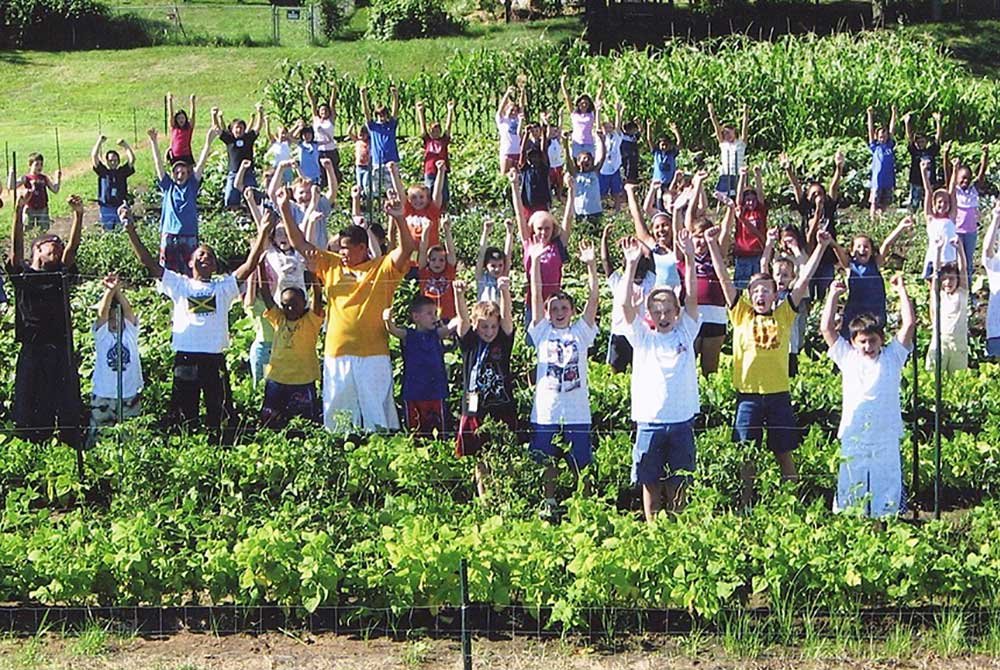
Make a plan. Before you start planting, take some time to make a plan for your garden that would be enjoyable for the kids and appropriate for their skills. Make a list of what you could grow and where you could plant each crop. You can use a garden design app or simply draw a rough sketch on a piece of paper. Make sure there will be enough sunlight. The kids can help measure the hours of sunlight in various spots on a sunny day. Put plants that tolerate less sun in the lowest light area. See our post Planning Your Food Garden.
Get your kids involved. Involve your kids in the planning and planting process. Let them help choose the plants, decide where to plant them, and assist with the actual planting. This will give them a sense of ownership and responsibility for the garden.
Start with seeds. If possible, start your garden with seeds rather than seedlings. This will give your kids the opportunity to see the entire growing process from start to finish. You can buy seed packets at your local garden center or online. But planting some seedlings is also highly recommended so the kids see results faster. See our post Seeds and Seedling for Beginners.
Get the right tools. Before you start planting, make sure you have the right tools. You'll need a garden spade, a hoe, a watering can, and possibly a wheelbarrow if you have a large garden. If you're planting in pots, you'll need a good quality potting soil and a bag of compost. Sterilize your tools before you start in dilute blue (1:10). You can also use vinegar at a higher concentration.
Teach your kids about composting. Composting is an excellent way to recycle kitchen scraps and yard waste and turn them into rich, nutritious soil for your garden. Teach your kids about composting and show them how to make a compost pile in your backyard or in a compost bin. Explain totem (if possible) that your garden is “super-powered” by Deep Roots’ 100% microbe-rich compost. Teach them the importance and soil microbes to building and supporting healthy soil for food plants. We recommend you use DIY compost for natives, flowers and ornamental plants.But use our microbe-rich compost for the food garden.

Water regularly. Plants need water to grow, so make sure your kids understand the importance of watering deeply. Teach them how to use a watering can or hose and show them how to check the soil to see if the soil is dry or moist with the ”finger test.”
Teach your kids about pests and disease. Pests and diseases can be a problem in any garden, so it's important to educate your kids about how to prevent and control these issues. Teach them how to identify common pests and diseases and show them how to use organic methods like biodiversity planting and succession planting to keep their garden healthy.
Harvest and eat your crops. The best part of gardening is eating the fruits of your labor! Teach your kids how to harvest their crops using our “no till, not dig, no pull” rule and encourage them to try new foods. You can also use your garden to teach your kids about healthy eating and the importance of incorporating fresh fruits and vegetables into their diet.
Keep a garden journal. Keeping a garden journal is a great way to track your progress and learn about the plants in your garden. Encourage your kids to write down observations, take pictures, and record the dates of importance.

“Grow Your Own Food” blog posts
See the full list of our Grow Your Own Food blog posts. Each post is assigned ”tags” which are under the post title. If you need a quick answer to a gardening question give us a call or send a text to our customer support team – support[at]deep-roots-project.org AND 708-655-5299.
Deep Roots online store
See our online store for details about prices, ordering and delivery of raised beds, planter boxes, microbe-rich compost, worm castings, leaf mulch and more. We don’t sell traditional soil, since we use 100% compost as our growing medium. Our online store has 2 sections – (1) raised beds and planter boxes and (2) compost, worm castings, fertilizer.
Please contact our customer support team before placing an order online so we can assist you with the details and answer your gardening questions. You can pay by credit card in the store or by check.
(708) 655-5299 and support[at]deep-roots-project.org
Sign up for our newsletter
Please leave your cell phone number when you sign up for our eNewsletter, if you want text message announcements now and then.
Donations help us provide organic kitchen gardening education to individuals, organizations, and entire communities. Thank you in advance for contributing to our community and for sharing our website and blog with friends and family.
Know Your Climate Zone
It’s important to understand how average temperatures shift through the seasons and the preferred temperature range for specific crops in your climate zone.This post is mostly about the Chicago area (climate zones 5b and 6a). Use a planting calendar for your climate zone.
This post offers general tips to beginning gardeners in many climate zones. If you are in climate zone 5b or 6a follow our Planting Calendar for Zone 5b for popular veggies, herbs and flowers. The Chicago area and many regions in the U.S. are in Zone 5b and 6a. Our Planting Calendar for Zone 5b includes tips about planting and harvesting dates and more. Learn how to protect specific crops from temperature extremes and unpredictable weather in our blog post Veggie Temperature Tolerances. Find YOUR climate zone in the Map of U.S. Climate Zones on the USDA website.

Know what your plants need
Understanding the needs of your plants and how to care for them can help ensure a successful harvest. Know the crops that are cold tolerant for planting in spring and fall. Know the crops that need warmth to thrive and are planted in late spring and mid-August. Know how to protect your seeds and seedlings from unexpected dips and spikes in temperature.
How early you can plant in spring depends on the hardiness (cold tolerance) of the vegetables and the climate in your area. The Planting Calendar Chart for Zones 5b and 6a gives the planting and harvesting dates for popular veggies.
Follow a planting calendar chart for YOUR “climate zone” to know planting and harvest dates for each crop. The planting dates are based on the date of the average last 32º freeze in your climate zone. The most reliable planting calendars are from the state university agricultural extension offices.
Climate change has made the safe planting date a moving target. It’s unpredictable. It’s helpful to know the lowest safe temperature for each crop. Many crops can be planted before the last frost date. Some crops are more sensitive to cold than others. Know what is the lowest temperature a crop can tolerate, especially at night. Some crops are very sensitive to temperature and some are less sensitive.
Each climate zone has an average first and last frost date which determines the length of the growing season.

USDA Plant Hardiness Zones
Visit the USDA’s interactive Plant Hardiness Zones map on their website to find your local climate zone. It’s the map at the top of this post. On the USDA’s site click on a spot to zoom in or out. The map is divided into 13 zones, each representing a 10-degree Fahrenheit difference in the average annual minimum temperature.
Connect with a local organization like a botanic garden or a university agricultural extension who can answer your questions as they arise. They should provide a planting calendar and other important local gardening information. The Deep Roots gardeners use the Chicago Botanic Garden Plant Information Service.
Know the best crop varieties and pests for your zone. Knowing your zone will help determine which plants are most likely to thrive in your specific geographic area. As a beginning gardener, it's also important to learn local pest management.
Frost-free dates. As a beginning food gardener, understanding your hardiness zone can help you determine the average frost-free dates for your area. This information can be used to plan planting and harvesting times for your crops. For example, if you live in a colder zone with a shorter growing season, you may need to start your plants indoors earlier or choose shorter-season crops that can mature before the first frost.
Fast and easy way to find first and last average frost-free dates in your climate zone by entering your zip code. Try this online climate zone search tool on the Morning Chores website.
Temperature tolerances. It's important to consider the heat and cold tolerances of your plants. Some crops, such as tomatoes and peppers, thrive in warmer temperatures and may need special attention and care in cooler climates. Other crops, such as kale and broccoli, can tolerate colder temperatures and may be better suited for cooler zones. See our post about optimal sunlight to learn how to protect crops from extreme temperatures.
Planting calendar tips for beginners
Here are some general tips on how to use your local climate zone calendar effectively. We provide lots more details in our planting calendar for Zones 5b and 6a.
Understand your climate hardiness zone and your planting calendar before you start planting. This information will help you determine the appropriate planting dates for your favorite veggies and herbs. Start a small garden and learn more at a comfortable pace.
Determine the first and last average frost-free dates: The planting calendar will include the first and last average frost-free dates for your region. This information is critical to ensure that you plant at the right time and avoid frost damage to your crops.
Know planting dates for seeds and seedlings (transplants). As a beginner, it's recommended that you buy transplants from your local nursery or garden center. This will help you avoid the challenges of starting seeds indoors or outdoors and also ensures that your plants are healthy and ready to grow.
Move the transplants to larger pots as you learn about your climate zone. Watch the temperature fluctuations carefully. Bring the transplants inside if the temperature may go too low during the day or at night.
Plant warm-loving vegetables after the magical average frost-free date: Some vegetables, such as tomatoes and peppers, require both warm soil and air temperatures to grow. Wait until two weeks after the average frost-free date to plant these vegetables.
Plant some crops outside only when all danger of frost has passed. Some vegetables, such as beans and corn, are sensitive to cold temperatures and must be planted outside only when all danger of frost has passed.
Be prepared for unpredictable weather. Climate change makes planting dates more unpredictable. Make sure to keep an eye on the weather forecast and use techniques like floating row covers to protect your plants from unexpected high and low temperatures.
Extend your growing season: You can extend your growing season by planting crops that can withstand cooler temperatures and by using season-extending techniques such as floating row covers, hoop houses, and cold frames. In this video learn how to use hoops to protect crops in raised beds from high and low temperatures as well as pests. See our blog post Installing Hoops on Raised Beds.
Check the days to maturity: The planting calendar will include the days to maturity for each vegetable. This information will help you plan your harvest and ensure that you have a continuous supply of fresh produce throughout the season.
High and low temperature tolerance: Some vegetables are more tolerant of high and low temperatures than others. The planting calendar will include this information so that you can choose vegetables that are suitable for your climate.
“Grow Your Own Food” blog posts
See the full list of our Grow Your Own Food blog posts. Each post is assigned ”tags” which are under the post title. If you need a quick answer to a gardening question give us a call or send a text to our customer support team – support[at]deep-roots-project.org AND 708-655-5299.
Deep Roots online store
See our online store for details about prices, ordering and delivery of raised beds, planter boxes, microbe-rich compost, worm castings, leaf mulch and more. We don’t sell traditional soil, since we use 100% compost as our growing medium. Our online store has 2 sections – (1) raised beds and planter boxes and (2) compost, worm castings, fertilizer.
Please contact our customer support team before placing an order online so we can assist you with the details and answer your gardening questions. You can pay by credit card in the store or by check.
(708) 655-5299 and support[at]deep-roots-project.org
Sign up for our newsletter
Please leave your cell phone number when you sign up for our eNewsletter, if you want text message announcements now and then.
Donations help us provide organic kitchen gardening education to individuals, organizations, and entire communities. Thank you in advance for contributing to our community and for sharing our website and blog with friends and family.

Cabbage Family (Brassica) Tips
Broccoli, Brussel sprouts, cauliflower and cabbage
Many nutrition experts say that broccoli and kale are the most healthy of all veggies and worth their weight in gold. But, in our area Broccoli, Brussel Sprouts, Cauliflower and Cabbage are more heavily damaged by pests like the cabbage looper and cabbage worm than other plants in the Cabbage Family. Plus, broccoli can be heavily damaged by “clubroot,” making it the most difficult of the cabbage family veggies to grow in our area. These growing tips will give you the knowledge to grow all the cabbage family veggies successfully. But as you will see the extra time and energy may not be worth the return.
Broccoli and kale are super foods and worth their weight in gold. Cabbage/Brassica Family includes Arugala, Bok choi, Broccoli, Brussel Sprouts, Cabbage, Cauliflower, Collards, Cress, Horseradish, Kale, Kolhrabi, Mustard Greens, Radishes, Rutabagas, Turnips. In greater Chico area Broccoli, Brussel Sprouts, Cauliflower and Cabbage.

Planting and care tips
Our goal is healthy veggies. The goal is to keep the pests under control so your harvest is not severely damaged or your yield reduced. Cruciferous vegetables is another name for the Cabbage Family (Brassica) plants.
We don’t expect 100% perfect veggies. We can eat green leafy veggies with a few (caterpillar (cabbage worm) holes as long as we wash them first. A few holes doesn't hurt humans or the plant. But a few holes may not be okay with neighbors and friends who share your harvest.
Biodiversity planting helps control pests. Mixing together many friendly plants (companions) in the same bed masks the scent of the plant that the pest is attracted to. It also helps to grow pest resistant varieties of your favorite veggies. View our blogpost on biodiversity
The swede midge fly (Contarinia nasturtii), an invasive pest from Europe, has begun wreaking havoc on brassica crops. including radish, horseradish, rutabaga, turnip, rapeseed (canola), arugula, bok choy and Chinese cabbage. Crops that are most damaged include common favorites such as broccoli, cauliflower, cabbage, kale, kohlrabi, collards and Brussels sprouts. Since we have not yet found a pesticide for swede midge our sollution is to grow only collards and kale. We harvst as soon as large leves appear throughout the sesaon. If swede midge damage appears on the base of the leaf, we cut it off and wash all harvested leaves. View our blog post on Swede Midge.
Club Root disease: Many local home gardeners have given up growing broccoli and focus instead on other greens like kale, Swiss chard, Chinese cabbage, Chinese broccoli and Bok Choy. Protection from Club Roots takes time, knowlege and determination. It’s best to grow from seed to avoid buying contaminated seedlings. Watch this video on club root disease.
Companion plants that discourage cabbage worms are catnip, dill, geranium, nasturtium, sage, and thyme. Plants that discourage cabbage loopers are catnip, dill, nasturtium, peppermint, rosemary, sage, spearmint, and thyme.
Companion aromatic plants that repel and block pests are sage, rosemary, thyme, mint and nasturtium. The smell of these herbs and flowers in particular make multiple brassica pests turn the other way.
Get help from the experts on pests from your local botanic garden and state university agricultural extension.
In our experience kale is more resistant to pests than any of the other cabbage family varieties.
The three main brassica pests are flea beetles, aphids, and cabbage worms. Flea beetles are very tiny and hop around like fleas.
An easy first line of defense against pests are crop rotation, biodiversity planting and “floating row cover.” If you still get some caterpillars check our post on Environmental Pest Management.
Floating row cover on all brassicas for the whole season will prevent cabbage moths from laying their eggs on your plants. Floating row cover is a thin white gardening fabric that allows in sunlight and rain. Weight down the fabric edge so the moths can’t fly inside. This only works in a bed that has NOT grown cabbage family veggies last year since the eggs could be in the soil and will hatch into cabbage moths. See our blog post Installing Hoops on Raised Beds.
Bok choi (Pak choi) is a type of Chinese cabbage. The plant is a member of the brassicae or cruciferae families, also known as mustards, crucifers, or cabbages.
The easiest brassicas to grow are short-season greens like baby kale, mustard greens, or bok choy are the. Sown in early spring or late summer, they will start producing baby greens in just a few weeks and maybe harvested at full size for cooking.
The healthiest cruciferous vegetables may include Broccoli, Brussels sprouts, Cabbage, Cauliflower, Kale. Various studies have reported that eating more cruciferous vegetables has several health benefits.
For more tips on planting seeds and seedlings, managing pests and our local Planting Calendar go to our blog posts:
Broccoli growing tips
Broccoli is a sun-loving, cool-season crop that is best grown in the spring or fall. It’s also incredibly healthy, rich in vitamins and minerals, and is a good source of Vitamin A, potassium, folic acid, iron, and fiber.
Broccoli is attacked by multiple pests and diseases in our area. Our main problem is “Club Root.” Many local home gardeners have given up growing broccoli and focus instead on other greens like kale, Swiss chard, Chinese cabbage, Chinese broccoli and Bok Choy. The Deep Roots team is still researching this problem. We suggest growing broccoli in a container with fresh Deep Roots compost. Don’t use tools and gloves that have been used with other soil,
Planting: Broccoli thrives at 65°F to 70°F and is very sensitive to temperature. Plant in early spring when the soil is damp since broccoli will bolt in warm weather and not produce the “floret” (the bushy part). You want the plant to move slowly into seed and have time to give maximum energy to producing the large floret. Plant seedlings (with 4 or 5 leaves) about 2 to 3 weeks before the last spring frost date. Consult planting locations in our Biodiversity method post.
Care: Keep moist but don’t over water. Provide consistent soil moisture especially in drought conditions (1-1.5 inches of water per week.) Don’t get the heads wet when watering, as it can encourage rot. Roots are very shallow, so try not to disturb the plants. Mulch to suffocate weeds and to help keep soil temperatures down. To promote the growth of a second head after the first has been harvested, maintain watering schedule.
How to harvest broccoli: Harvest broccoli in the morning before it heats up when the buds of the head are firm and tight, just before the heads flower. If you do see yellow petals, harvest immediately, since flowering will decrease quality of florets rapidly. Most varieties have side-shoots that will continue to develop after the main head is harvested. You can harvest from one plant for many weeks, in some cases, from spring to fall, if your summer isn’t too hot. Also harvest and eat the leaves.
How to store broccoli: Store broccoli in the refrigerator for up to 5 days. If you wash before storing, make sure to dry it thoroughly. Broccoli can be blanched and frozen for up to one year.
Kale growing tips
Seasonal tips: Hearty kale is the most reliable crop of the cabbage gamily – cold-hardy and resilient plant. It will continue to grow through the summer. The flavor changes depending on when you harvest it – mildest in spring, more bitter in hot weather, and sweeter after a frost. We like this video: Growing kale for sowing to harvest
Plant in early spring or late summer for a fall crop. Cool weather brings out the sweet, nutty flavor of this highly nutritious green. Plant seedlings very early in the spring (3 to 5 weeks before the last frost). Since the temperatures can dip below the 20s, have floating row covers on hand so you can cover them on cool nights. Mulch the soil heavily after the first hard freeze in the fall.
Plant 6 to 8 weeks before the first frost for fall. Harvest it from fall until the ground freezes in winter as the flavor sweetens after a couple frosts. You can extend the harvest season with a mini hoop house covered in plastic. Add a row cover fabric resting directly on the plants inside the hoop house.
Kale will grow throughout the summer. But in hot weather it tends to become tough and bitter. For best results, kale should be allowed to mature in cooler weather. Kale tastes best when plants grow rapidly and mature before the heat of summer (before temperatures exceed 75°F) or after fall frosts. We grow kale through the hot weather in the Chicago area.
Watering and mulch: It’s important to keep kale well watered but don’t over water. Water 1 to 1.5 inches each week. Mulch the soil with a layer of compost and a layer of straw to keep down the weeds and keep kale cool.
Harvesting: Kale is ready to harvest when the leaves are about the size of your hand. Start harvesting the oldest leaves first from the lowest section of the plant. Discard any yellowed or torn leaves. Avoid picking the terminal bud (found at the top center of the plant) because this will help to keep the plant productive.
Our Innovative Food Gardening Method
Learn more in our two recently revised blog posts.
Our online store
See our online store for details about prices, ordering and delivery of raised beds, compost, worm castings and more. Please contact our customer support team before placing an order online so we can assist you with the details and answer your gardening questions.
QUESTIONS? COMMENTS?
Contact us at (708) 655-5299 or support[at]deep-roots-project.org.
15% discount on raised bed fall orders. Contact 708-655-5592 OR support[at}deep-roots-project.org
Stay in touch
Please leave your cell phone number when you sign up for our eNewsletter, if you want text message announcements now and then.
Donations help us provide organic kitchen gardening education to individuals, organizations, and entire communities. Thank you in advance for contributing to our community and for sharing our website and blog with friends and family.

Biodiversity Helps Control Pests
Biodiversity planting methods harness the forces of nature to help protect your garden as well as individual plants from pests and disease. Think of the plant populations as a team with complimentary skills all cooperating together. Balance and a strong ecosystem are achieved for the whole community of plants.
Biodiversity planting methods harness the forces of nature to help protect your garden as well as individual plants from pests and disease. Think of the plant populations as a team with complimentary skills all cooperating together. Balance and a strong ecosystem are achieved for the whole community of plants.

Biodiversity: The Foundation of a Thriving Garden
Abundant productivity in a garden starts with biodiversity—the presence of many different kinds of plants, each playing its own role. Scientific research shows that diverse plant communities improve soil health, attract beneficial insects, suppress pests naturally, and make crops more resilient to stress. In simple terms: the more variety you have, the better your garden can thrive without relying on synthetic inputs.
When we grow only one type of plant in one place, the soil becomes depleted, pests take over, and diseases spread easily. But when we intentionally design for diversity—mixing vegetables, herbs, flowers, and cover crops—we create a living system where plants support one another. Some fix nitrogen, others repel pests, and many attract pollinators or break up compacted soil. This natural teamwork is the secret to healthy, high-yield gardens.
Let abundance flourish through this careful orchestration. Biodiversity isn’t just beautiful—it’s functional. When you plant a rich mix of species and rotate your crops each season, you not only grow more food, you grow healthier soil and a more self-sustaining ecosystem. Even small changes—like interplanting herbs among your vegetables or choosing three different types of tomatoes instead of one—can make a big difference.
Learn how to put biodiversity to work in your raised bed or backyard plot. Whether you’re brand new to gardening or looking to deepen your skills, biodiversity is one of the most rewarding tools you can use to build a thriving, regenerative garden.
Be creative with biodiversity
Your imagination defines the limit of biodiversity in your garden. Be a creative gardener. How do you envision your garden? Experiment with many combinations of plants. Old fashioned gardening has many rules like planting in neat rows. Biodiversity gives you the freedom to co-create with nature. A biodiverse raised bed may look like chaos compared to the traditional garden layout. But actually it resembles the biodiversity found in natural systems.
As above, so below. There are tens of thousands of microbial species living in your soil. To balance that we need to preserve plant diversity above the soil. Our diversity mimics the diversity below ground. Learn more in our recently updated blog post about soil microbes and compost.
We recommend at least a dozen different plants including veggies, herbs and flowers in each bed and the large containers surrounding the bed. It can be dominated by a single veggie like tomatoes, with a dozen smaller plants scattered around. There are many ways to do this and it's up to you the gardener to decide. Smaller plants that need sun should be on the south side of the larger plant or at least not shaded by them.
Don’t try to plan your garden alone. For most gardeners, January and February are the planning months for the new gardening season. Give yourself time to explore several possibilities. Do some reading. Explore the Deep Roots blog posts. Talk to other food gardeners. Contact our support team for some phone discussions.
Take on as much as you can handle the first year. Send us questions when you run into a problem. Gardening is all about trying new things and learning from your mistakes. Learn more about our Innovative Method in our 2 recently updated posts.
Biodiversity basics and tips
A biodiverse food garden has a mixture of a dozen or more different plants growing throughout the bed and in surrounding containers including root crops, leafy greens, flowers, herbs, fruiting crops (tomatoes, eggplant and peppers), beans & peas and native plants.
The mixture of plants confuses pests who seek out a good size patch of their favorite plant.
Don’t plant the crops from the same family next to each other. A large group of the same plant has a stronger scent and attracts more pests and can more easily spread diseases.
Two raised beds is even better than one for biodiversity planting.
Plant large plants like tomatoes on opposite sides of your bed or in separate containers to discourage disease spread. Or, plant several tomatoes in one bed with basil and marigolds between them.
If you plant a tomato in a big pot strategically place basil and lettuce seedlings around the base of the tomato and watch them grow together. Prune off most of the tomato’s lower foliage to allow more sun to reach the kale and basil.
Fill empty spots with plants from a different family when you harvest a whole plant. Maximize your harvest by filling empty spots mid-season with seeds or seedlings.
Plant seeds of small plants in several spots around the bed in small clusters (6-8” diameter) or short rows. Examples of small plants are beets, carrots, radishes, onions.
If you want to grow a lot of the same crop like tomatoes, squash and cucumbers, figure out a way to plant them as far away from each other as possible. They can grow in their own large containers.
Environmental Pest Management (EPM) is a method that is used in combination with Biodiversity Planting to prevent and manage pests & diseases. But biodiversity is not a complete solution for any specific pest or disease. We also use organic pesticides and fungicides in limited quantities for pest prevention.
When you focus on a few crops because your family loves them and they are super healthy, plant lots of different flowers, herbs and small crops (lettuce, beets, radishes, strawberries, basil, marigolds, nasturtiums) at the edges of your bed and in the spaces between them.
Don’t block the sun with large plants. Place taller plants like tomatoes at the north side of a raised bed. Place the shortest plants on the south side of the bed.
Sunlight: Place your raised bed and large containers in the sunniest spot of your yard. 8 hours of sun or more is optimal. Some plants are okay with 5 to 8 hours of sun. They may be smaller and take longer to grow to maturity.
Shade a cool season plant like lettuce in mid-summer next to a tall tomato plant.
Plant small and medium size veggies that need less sun like lettuce and dill about 12” from the tomato plant’s main stem. Prune off most of the tomato’s lower foliage up to 10 inches.
Two or three tomato plants in your raised bed is fine if you prune them properly and grow them vertically on tomato cages or trellises.
Don’t plant huge plants like squash in your raised bed even if it grows up a trellis. Plant a huge plant in a large container next to the raised bed or in a separate bed. Place the container on the north side of your raised bed so it doesn’t block the sun. For example Butternut squash will sprawl all around the outside of the bed even if you have a trellis.
Often, garden centers don’t have the seedlings you want mid-season. Be prepared with fresh seedlings you grow yourself by growing a few seedlings from seed in small pots filled with the half and half mixture of our microbe-rich compost and our worm castings. Make sure they get enough sun and water them daily.
A planting calendar for your climate zone will tell you when to plant and harvest. We provide a Planting Calendar Chart for the Chicago Area since most of our gardeners are there. Ask your local state university agricultural extension for a planting calendar.
Greater plant diversity has most impact
Greater diversity of veggies, herbs & flowers has the most impact. Select plants for your bed and the surrounding containers from at least 5 of the 10 Biodiversity Plant Groups. (See list below) Ideally, select around 3 individual plants from the same plant variety to plant in one 4 x 8 raised bed. This adds up to about 10 to 15 plant small to medium-size varieties per bed and about 30 individual total plants (or clusters of tiny plants) per bed.
This list of major functional garden crop groups are not “taxonomical” classifications used by professional plant scientists. These are simplified groups organized to help you make gardening decisions. Try to plant at least five or six of these groups in each bed and you’ll achieve adequate diversity. Planting multiple cultivars within a group doesn’t contribute much to diversity. This is not a rule, rather it’s a guideline. The guideline also applies to cloth planters, on a reduced scale.
Our biodiversity plant groups
Legumes: peas, bush beans, pole beans
Herbs: (culinary & medicinal): basil, lavender, peppermint, lemon balm. sage, oregano (Used for bee attraction and repelling insects)
Flowers: marigold, nasturtium, calendula, echinacea, cosmos (Learn about each flower’s benefit in our post Environmental Pest Management.
Brassicas: cabbage, collard, kale, broccoli, cauliflower, brussel sprouts
Fruiting veggies: eggplant, tomato, peppers
Salad Greens: lettuce, spinach, swiss chard
Root veggies: beets, carrots, onions, scallions, garlic, radish, potato, sweet potato
Grain: Corn
Cucurbits: melons, cucumbers, squash, gourds
Perennials: Asparagus, artichoke (warm zones only), strawberry, bramble berries (thorny berries like blackberry and raspberry). (Blueberries are hard to grow since they need acid soil.
Cover crops: mustard, buckwheat, cowpeas
Our online store
See our online store for details about prices, ordering and delivery of raised beds, compost, worm castings and more. Please contact our customer support team before placing an order online so we can assist you with the details and answer your gardening questions.
QUESTIONS? COMMENTS?
Contact us at (708) 655-5299 or support[at]deep-roots-project.org.
Stay in touch
Please leave your cell phone number when you sign up for our eNewsletter, if you want text message announcements now and then.
Donations help us provide organic kitchen gardening education to individuals, organizations, and entire communities. Thank you in advance for contributing to our community and for sharing our website and blog with friends and family.

Compost, Microbes and Soil Science
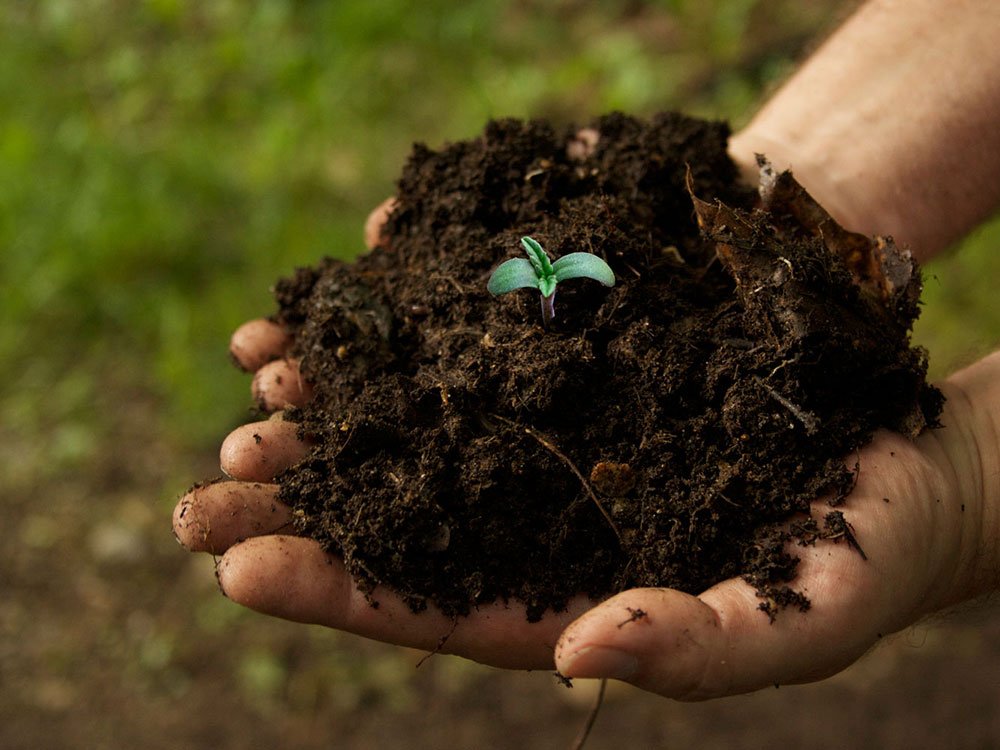
We are taking the organic gardening movement to the next level by emphasizing the importance of microbe-rich soil. Generating robust microbial communities is our primary goal. Our soil and worm castings are teeming with healthy micro-organisms that feed and support our plants.
We are taking the organic gardening movement to the next level by emphasizing the importance of microbe-rich soil. Generating robust microbial communities is our primary goal. Our soil and worm castings are teeming with healthy micro-organisms that feed and support our plants.
Soil health, our health, planet health
We call our new innovative method “Transformative” gardening which was inspired by raised beds. These are the basic principles:
A paradigm shift in organic kitchen gardening.
Priority is to nurture microbes (which will nurture the plants)
No till, no dig, no pull rule
Biodiversity is essential
Manage your pests in harmony with managing your soil
The focus of our method is the expansion of diverse microbe populations in the soil by repeatedly adding microbe-dense compost, worm castings and fish emulsion. The microbe expansion continues every year and every planting. There are tens of thousands of species of soil micro-organisms that do a vast number of nature's tasks.
The foundation of soil health is robust microbial populations that feed on abundant organic matter. The soil microbes transport nutrients to plant roots in a form that the plants can use more efficiently. The healthy soil microbes and the plant roots have a mutual aid pact. They need each other and they feed each other.
This innovative approach requires a major paradigm shift about gardening. Release your many inherited assumptions. Neatly planted monoculture (with large number of the same plants) will be replaced with a multitude of different veggies, flowers and herbs in a bed. Learn to approach pest control as nuanced management rather than aggressive eradication of pests and diseases. Learn to stop pulling out plants by their roots which damages fungal networks and bacterial colonies. Learn that plant nutrition doesn’t come from a bag of fertilizer bought at a garden store. Rather, nutrition results from interactions between roots and soil microbes.
The 2 top innovations of "transformative gardening” are replacing conventional soil with the highest quality microbe-dense and nutrient-dense compost that contains manure. Plus, we use microbe-rich worm castings (worm poop, also called vermicompost) as the primary soil amendment.
Veggie specifics are secondary. We are not preoccupied with how to grow cucumbers or parsnips or which commercial fertilizer to buy. Although the specifics for growing each veggie or herb is important, it is secondary to the task. We simply understand that a healthy soil containing 100% compost is the path to successful gardens. Let’s enable the trillions of microflora (microbes and fungi) in our gardens to feed our plants for us.
Our compost is your SOIL
Raised beds allowed us to create a completely new kind of soil. We don’t fill raised beds and growing containers with “topsoil,” conventional soil or potting mix purchased at garden centers even with an organic label. Many of the bagged commercial soils contain lumber industry waste (a cheap organic ingredient) and not enough nutrients and microbes. Instead we fill our beds with 100% compost engineered with a natural thermophilic (heat) process. Our compost is certified for food growing by Organic Materials Research Institute (OMRI) and by the U.S. Composting Council (USCC).
Our compost is made from 100% organic matter (plant waste and animal manure) that is transformed by heat-loving soil microbes in huge piles. The heat kills weeds, viable seeds and pathogens. It also breaks down compounds in the organic matter into nutrient-rich compounds available to all plants, microbes and fungi. In addition, the process creates clumps of particles called “aggregates” from very tiny soil particles that store the nutrients. The clumps allow spaces for roots to grow through the soil. The clumps also allow water and oxygen to enter into and stay longer in the soil.
Our compost is used at the beginning of every season to enrich the soil. It is also used to plant seedlings and seeds throughout the season. Spread at least a 2-inch layer of compost over the whole bed or container in the fall and spring.
If your raised beds and containers already contain conventional soil give your plants a healthy boost by replacing several inches of soil at the top of the bed with our compost. Also you can add several cups of our compost to your seedling holes by makes the hole much larger than the seedlings root. Also, fill seed furrows with our compost by making the furrow wider than usual.
All composts are not equal. Making compost with heat is beyond the capability of most home gardeners due to lack of space, equipment, experience, animal manure, labor and the huge volume typically needed to make the heat process work best.
There are multiple methods for making compost and many ingredients that can be used. Dump your organic waste like yard clippings and food scraps into a pile and let it sit for a year or two and it will result in a kind of compost. It’s an acceptable method for recycling organic waste but a weak method for preparation of a robust compost for food growing. It lacks the best microbial & nutritional features, and it inevitably harbors weed seeds and potential plant pathogens because it decomposes at a low temperature.
Commercially bagged soil and compost are not your friend. Bagged soil and compost that you purchase from garden centers AND the soil in your yard lack the optimal amount of microflora and nutrients for a healthy, vibrant successful food garden. Many commercially bagged composts don’t have the best ingredients for healthy plants. So to be safe use Deep Roots compost or a similar compost (made with heat and containing manure) that you locate in your area. The U.S. Composting Council (USCC) has a database of the vendors they certify that lists the compost ingredients AND if thermophilic heat process was used. Make sure the vendors don't use wood chips or tree waste.
Many commercially bagged soils and composts contain tree ingredients (mainly lumber waste products). Manufacturers of commercially bagged soil love to use lumber waste because it is cheap and it can be considered “organic” because it is from trees. Bagged soil can be filled with partially decomposed wood chips and bark that is incredibly cheap. The lumber companies practically give it away. Unfortunately, decomposing wood chips consume nitrogen from the compost, a counter-productive function since your plants need large amounts of nitrogen to grow.
Worm castings is an essential soil amendment
We super-charge our compost in our raised beds even further with organic worm castings (vermicompost) containing huge populations of microbes and fungi. We use the worm castings as our main soil amendment to plant seedlings and seeds throughout the season. Add worm castings to the holes for seedling holes and the seed furrows. Use 1/2 cup of worm castings for small plants and one cup for large plants like tomatoes and squash.
Try to use use a larger amount of our compost and worm castings when planting seedlings and seeds in a bed filled with conventional soil. The more worm castings you add, the better your plants will grow.
Fish emulsion soil amendment
Fish emulsion is a organic liquid soil amendment made from fish waste that you can buy from garden centers or online. Fish emulsion provides microbes with a rapid short-term boost of dense organic matter. Although marketed as a fertilizer our focus is to support the microbes. It can also be a plant food, but we use it to activate the microbial population.
Dilute it according to the directions for a watering can or use a special spray bottle attached to your hose. Worm castings contain ingredients that support microbe health and also contain nitrogen which plants need. Apply weekly or twice a month.
No Till, No Dig, No Pull Rule
The “No Till, No Dig, No Pull” rule avoids interference in the lives of fungi and bacteria. When a crop cycle finishes, cut the plant’s stem at the soil level and leave the roots undisturbed. Roots supply critically important food for soil microbes. Pulling a plant out by its roots interferes with bacterial colonies and fungal networks. The exception to this rule is harvesting root crops like beets, onions, carrots, garlic, radishes, etc.
Allow nature to improve the soil. Avoid any digging except for a seedling hole or a furrow for planting seeds. Although traditional farmers and gardeners turn over their soil every season, modern soil scientists now know that digging destroys the soil structures that build up over time which greatly harms the health of the soil. Think of soil structures as invisible towns and cities that the microflora live in. You can add organic materials to the top of the soil and gently mix them in the top inch without disrupting the entire bed. But at least you can add organic material when necessary.
Our online store
See our online store for details about prices, ordering and delivery of raised beds, compost, worm castings and more. Please contact our customer support team before placing an order online so we can assist you with the details and answer your gardening questions.
QUESTIONS? COMMENTS?
Contact us at (708) 655-5299 or support[at]deep-roots-project.org.
Stay in touch
Please leave your cell phone number when you sign up for our eNewsletter, if you want text message announcements now and then.
Donations help us provide organic kitchen gardening education to individuals, organizations, and entire communities. Thank you in advance for contributing to our community and for sharing our website and blog with friends and family.

Organic VS Conventional Food
Why is it worth making the investment to purchase more expensive organic products? Organic food is becoming increasingly popular as people are becoming more aware of the benefits of consuming food that is grown without harmful chemicals and pesticides. While there are still debates about whether organic food is truly more nutritious than conventional food, there is ample evidence to support the claim that organic food is healthier and safer for human consumption.
Why is it worth making the investment to purchase more expensive organic products? Organic food is becoming increasingly popular as people are becoming more aware of the benefits of consuming food that is grown without harmful chemicals and pesticides. While there are still debates about whether organic food is truly more nutritious than conventional food, there is ample evidence to support the claim that organic food is healthier and safer for human consumption.
Why is organic food healthier than conventional
There are many benefits to choosing organic. There are many reasons why organic food is considered healthier than conventional food. From the avoidance of harmful chemicals and pesticides, to the promotion of sustainable and environmentally friendly farming practices, to the possible higher nutritional quality of the food itself, there are many benefits to choosing organic.
Harmful chemicals and pesticides. First and foremost, organic food is grown without the use of harmful chemicals and pesticides. These chemicals are commonly used in conventional farming to protect crops from pests and disease, but they can be harmful to humans when consumed. In fact, many of the chemicals used in conventional farming have been linked to a range of health problems, including cancer, neurological damage, and endocrine disruption. By avoiding these chemicals, organic food provides a safer and healthier option for people who are concerned about the potential health risks associated with consuming food that has been treated with pesticides.
Sustainable and environmentally friendly. Another reason why organic food is considered healthier than conventional food is that it is often grown using more sustainable and environmentally friendly practices. For example, organic farmers may use crop rotation, composting, and natural predators to control pests, instead of relying on harmful chemicals. This not only helps to reduce the amount of harmful chemicals that are released into the environment, but it also supports the health of the soil and the ecosystems that rely on it.
Ongoing scientific debate about organic food nutrition levels. Organic food is also considered by some experts to be more nutritious than conventional food. This is because organic crops are grown in soil that is rich in nutrients and free from harmful chemicals, which can negatively impact the quality of the food. Studies have shown that organic crops tend to have higher levels of vitamins and minerals than conventional crops, which is why many people believe that organic food is a healthier option. For example, one study found that organic tomatoes had higher levels of vitamin C and other nutrients than conventional tomatoes. We don’t yet have several definitive studies to resolve this question.
Organic food is also often fresher than conventional food, as it is grown on a smaller scale and is not treated with chemicals to extend its shelf life. This means that organic food is more likely to retain its natural flavor and nutrients, and is less likely to contain harmful preservatives. By choosing organic food, people can be sure that they are consuming food that is as fresh and nutritious as possible.
Organic food is also safer for the environment. Conventional farming practices can lead to soil degradation and erosion, as well as contribute to water pollution and air pollution. In contrast, organic farming practices help to protect the environment by reducing the amount of harmful chemicals released into the environment, preserving soil health, and supporting local ecosystems. By choosing organic food, people can play a role in supporting sustainable and environmentally friendly farming practices, which is essential for the health of the planet.
Buying organic supports a healthier and safer food system. While organic food may be more expensive than conventional food, the investment is worth it for those who are concerned about their health and the health of the planet. By making the choice to purchase organic food, people can support a healthier and safer food system, and help to ensure that the food they consume is of the highest quality and safety.
“Grow Your Own Food” blog posts
See the full list of our Grow Your Own Food blog posts. Each post is assigned ”tags” which are under the post title. If you need a quick answer to a gardening question give us a call or send a text to our customer support team – support[at]deep-roots-project.org AND 708-655-5299.
Deep Roots online store
See our online store for details about prices, ordering and delivery of raised beds, planter boxes, microbe-rich compost, worm castings, leaf mulch and more. We don’t sell traditional soil, since we use 100% compost as our growing medium. Our online store has 2 sections – (1) raised beds and planter boxes and (2) compost, worm castings, fertilizer.
Please contact our customer support team before placing an order online so we can assist you with the details and answer your gardening questions. You can pay by credit card in the store or by check.
(708) 655-5299 and support[at]deep-roots-project.org
Sign up for our newsletter
Please leave your cell phone number when you sign up for our eNewsletter, if you want text message announcements now and then.
Donations help us provide organic kitchen gardening education to individuals, organizations, and entire communities. Thank you in advance for contributing to our community and for sharing our website and blog with friends and family.