
Crops to Grow When Food Costs Rise
Grow for the pantry before you grow for novelty – dependable calories, long storage, and crops that make simple meals taste good are what turn a garden into real food security.
Grow for the pantry before you grow for novelty – dependable calories, long storage, and crops that make simple meals taste good are what turn a garden into real food security. The Deep Roots method grows more plants in the same space. Our 100% nutrient and microbe-rich compost provides the science-based magic behind bigger harvests with less work.
Grow the crops that truly feed you
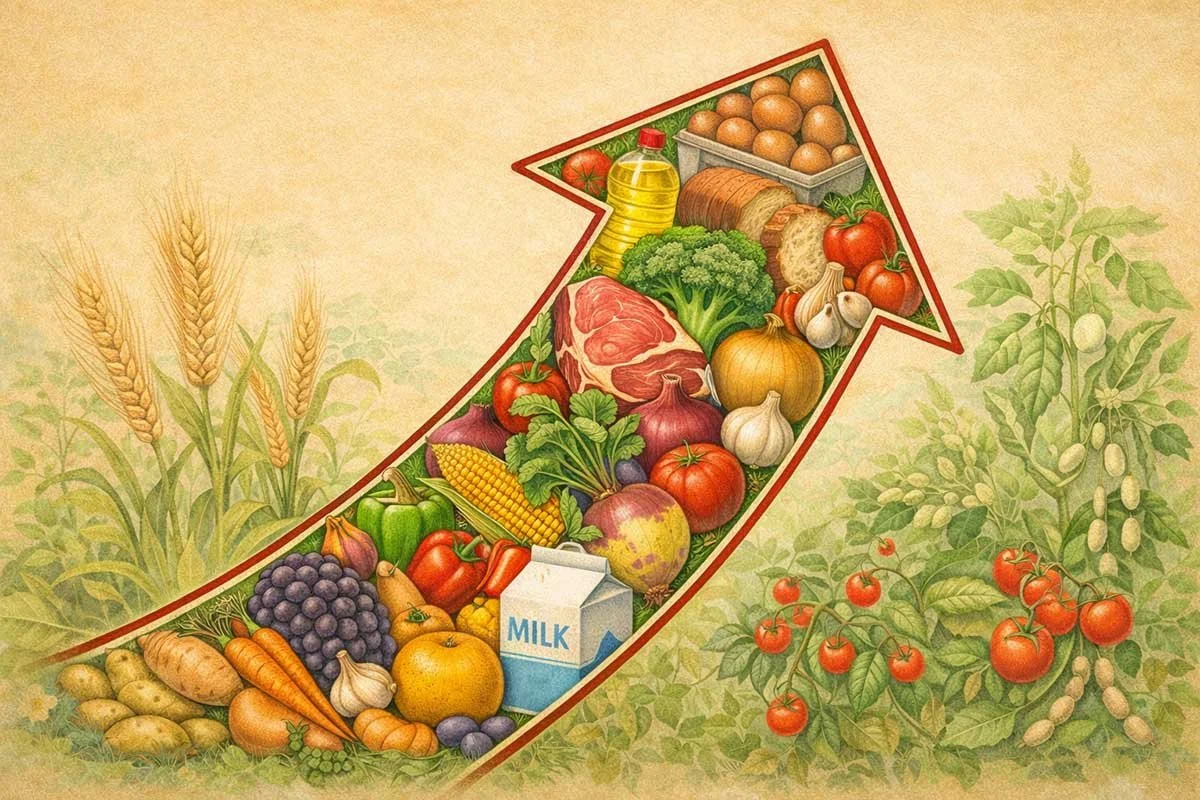
Grow a food security garden. When every grocery bill feels heavier, a garden has to do more than look beautiful. These are the crops that earn their space by feeding you well, storing gracefully, and making a home plot feel like real security.
A garden changes when food gets expensive. What once felt like a hobby starts to feel like infrastructure. You stop asking which crop is fun to try and start asking which one will actually carry weight through a season, through winter, and through the weeks when store prices climb faster than your paycheck.
The goal is resilience: Plenty of gardens are full of color, flavor, and good intentions, yet they still leave a family buying most of its calories somewhere else. If the goal is resilience, every bed has to justify itself. The best crops are the ones that give you nourishment, keep well after harvest, and turn a modest patch of soil into something close to a pantry.
Healthy satisfying meals: Calories first, then the crops that deepen flavor, support health, and help those staple meals feel satisfying instead of repetitive. Build your garden around that logic, and it begins to feel less like a seasonal project and more like a quiet kind of independence.
Potatoes
If one crop deserves the prime bed, it is the potato. Few plants offer this much return for the space: steady calories, strong yields, and a harvest that can sit in storage for months when cured and kept well. Homegrown potatoes also have range—boiled, roasted, mashed, fried in a skillet, tucked into soups—so they never feel like a one-note staple. A rich keeper like German Butterball or a productive fingerling can easily become the backbone of a practical food garden.
Sweet potatoes
Sweet potatoes belong high on the list for a different reason: they thrive where other crops sulk. In lighter, sandier soils, they can flourish with surprisingly little fuss, and their storage life is exceptional. They bring variety to the table too—baked whole, mashed, turned into soups, or worked into savory dishes—and even the greens can be cooked. When you want a crop that is nutritious, forgiving, and genuinely useful through the off-season, sweet potatoes are hard to beat.
Winter squash
A good winter squash plant does not just give you produce; it gives you volume. Large-fruited varieties can keep a household supplied for months, and they store beautifully without any special equipment beyond a cool, dry place. The flesh is rich, versatile, and welcome in everything from roasted wedges to soups to simple mashes. For gardeners thinking in terms of shelf life and winter meals, squash earns its place quickly.
Dry beans
Beans complete the calorie crop lineup because they do something the others do not: they bring staying power, protein, and long-term storage all in one package. Dry beans can sit on the shelf for years, and a bowl of beans beside potatoes or squash turns a side dish into supper. They are also one of the more satisfying crops to grow for self-reliance because the harvest is compact, durable, and easy to portion out through the year.
Crops that enhance simple foods
Once the heavy lifters are in place, the next layer is just as important. These are the crops that build flavor, support digestion, broaden nutrition, and make humble pantry meals feel deeply satisfying rather than repetitive.
Garlic
Garlic is small-space luxury with survival-garden usefulness. It is expensive to buy, easy to tuck into a corner, and essential in the kitchen. A modest patch yields enough bulbs to season food for months, and the harvest stores beautifully through winter. More than almost any other crop, garlic makes basic food feel abundant.
Onions
Onions do similar work on a larger scale. They anchor soups, stews, roasts, sautés, and sauces, and they store well enough to bridge one season into the next. Their value is not just culinary. A garden full of storage onions means the base of countless inexpensive meals is already waiting in the pantry.
Cabbage
Cabbage may be one of the most underestimated crops in the home garden. Fresh heads keep impressively well, and once fermented into sauerkraut they become even more useful. A forkful of kraut beside beans, potatoes, or roasted meat can brighten an otherwise heavy meal, while adding the kind of sharpness and liveliness that stored foods often lack in winter.
Ginger and turmeric
These are not staple crops in the calorie sense, but they are deeply worthwhile if you can grow them. Fresh ginger and turmeric are expensive in the store, and homegrown rhizomes bring brightness, warmth, and kitchen versatility. They can be grated into tea, folded into broths, or preserved in simple preparations that make everyday meals feel more restorative.
Tomatoes
Tomatoes belong on this list because they stretch a pantry garden further than their fresh summer glory suggests. Sauce tomatoes can be cooked down, dried, powdered, or canned into foundations for months of meals. A jar of tomato sauce can turn beans into chili, eggs into shakshuka, pasta into supper, and scraps from the garden into something complete.
Bell peppers
Bell peppers are one of the easiest ways to add color, sweetness, and nutritional value to practical cooking. They can be eaten fresh, roasted, frozen, fermented, or dried, and they lend themselves to preserving in ways that make them useful long after summer is gone. A surplus can even become homemade paprika—a small but satisfying reminder that preserving flavor is part of preserving food security too.
Fruits
Most fruits are seasonal, perishable, and better suited to preserving than long storage in their fresh form. That does not make them unimportant. It simply means they are often a second-wave investment, added after the garden is already producing the staples that keep a kitchen grounded. Fruit absolutely has a place in a home landscape. Peaches, apples, plums, berries, and grapes bring beauty, joy, and real harvests. But if the question is how to get the most food value from limited space, fruit is usually not where you begin.
Strong food gardens are rarely glamorous
Home economics: It is the one that quietly lowers the grocery bill, fills the cellar shelf, and keeps producing meals long after the season has turned. Grow beauty too, of course. But when prices rise, it is these dependable crops that make a garden feel like home economics in the best and oldest sense of the phrase.

Foods Banned Elsewhere But Not in US
Did you know that many ingredients still found in U.S. grocery stores are banned in other countries due to health risks? Look at this list of dangerous ingredients and additives!
Why Are These 11 Foods Banned in Other Countries, But Still Eaten in the U.S.?
Did you know that many ingredients still found in U.S. grocery stores are banned in other countries due to health risks?
Unlike the European Union, which bans or restricts additives until they’re proven safe, the U.S. assumes they’re safe until proven otherwise. That leaves consumers responsible for researching their own food — and often eating things that other countries won’t allow.
Examples of banned foods or ingredients
Here are 11 examples of foods or ingredients still used in the U.S. that have been banned or heavily restricted elsewhere:
1. Bleached Flour
Treated with chemicals like chlorine or benzoyl peroxide, bleached flour may contain alloxan, a compound that damages pancreatic cells. Banned in the EU, UK, and China.
2. Dough Conditioners
Potassium bromate and azodicarbonamide are used to improve bread texture but are linked to cancer and respiratory issues. Banned in countries including Brazil, India, and most of Europe.
3. Propylparaben
Used as a preservative, this chemical disrupts hormones and may affect fertility and breast tissue. Banned in the EU and set to be banned in California starting 2027.
4. BHA and BHT
These synthetic preservatives extend shelf life but can disrupt hormones and are possibly carcinogenic. Limited in Europe, especially in foods for children.
5. Synthetic Food Dyes
Common dyes like Red 40 and Yellow 5 have been linked to behavioral problems in children and even cancer in animal studies. Many are banned or restricted in Europe and Australia. California has begun phasing them out of schools.
6. GMOs & Glyphosate
Most U.S. corn, soy, and canola are genetically modified and sprayed with glyphosate — a herbicide linked to cancer. Over 60 countries ban or require labeling of GMOs.
7. Antibiotics in Meat
Despite a 2017 ban on using antibiotics to promote growth in animals, they are still used in overcrowded factory farms to prevent illness. This contributes to antibiotic resistance and is banned in many countries.
8. Harmful Pesticides
Chlorpyrifos, a pesticide linked to developmental delays in children, was banned by the EPA but reinstated by a court in 2023. It’s still used on U.S. crops, unlike in the EU.
9. Olestra (Olean)
Used in “fat-free” chips and snacks, Olestra can cause digestive distress and block vitamin absorption. Banned in Canada and Europe.
10. Synthetic Hormones in Dairy
Hormones like rBGH increase milk production but are linked to cancer risk and infections in cows. Banned in the EU and Canada.
11. PFAS in Packaging
These “forever chemicals” resist grease and heat but build up in our bodies and environment, causing cancer and immune damage. Banned in the EU; partially phased out in some U.S. states.
What Can You Do?
Eat whole, organic, and homegrown food whenever possible.
Avoid processed foods with long ingredient lists.
Support local regenerative farmers and food producers.
Read labels carefully and learn the hidden names for harmful additives.
Speak out: Sign petitions and support policies that protect food safety.
At Deep Roots Project, we teach people how to grow safe, nutrient-rich food using only compost and natural inputs. It’s one of the most powerful things you can do for your health and the planet.
Let’s grow food we can trust — right in our own backyards.
Join the Deep Roots movement
We’re not just about gardening; we’re about changing the way people grow food. Whether you have a tiny balcony or a full backyard, we’ll help you grow like a pro.
Stay in the loop: Signup for our email newsletter. If you also provide your phone number you will get text message updates that link to our best blog posts.
Get involved: Attend a free workshop, become a volunteer, grab a raised bed, or simply follow along for expert tips. Contact our support team any time you have a question at 708-655-5299 and support@deep-roots-project.org.
Learn. Share. Grow. Volunteer: We invite you to be a part of our sustainable movement right here in our own backyards! We want all our volunteers to have fun and learn while they contribute to expanding the Deep Roots community. We can customize a volunteer assignment to your time, interests and skills. Learn more on our Volunteer page
Dive Deeper
Click on the Blog Posts below for more about our Innovative methods.
Beautify Your Garden with Our Cedar Raised Beds!
Our Deep Roots handcrafted cedar raised beds are designed to endure outdoors while adding a touch of style to your yard. As a bonus, they are the perfect depth to hold just the right amount of our nutrient-rich compost growing medium, which comes free with each bed.
Deep Roots Supports Gardeners
We provide our gardeners with the best products for success – like cedar raised beds, microbe-rich compost and microbe-rich worm castings.
Call our customer support team with any questions or help with calculations. Then place your order online. If you need help or have a question contact us at support[at]deep-roots-project.org and 708-655-5299.
See our online store for details about prices, ordering and delivery of raised beds, planter boxes, microbe-rich compost, worm castings, leaf mulch and more. We don’t sell traditional soil, since we use 100% compost as our growing medium. Our online store has 2 sections
Signup for Our Newsletter
Please leave your cell phone number when you sign up for our eNewsletter to get gardening and seasonal text messages announcements now and then.
Donations help us provide organic kitchen gardening education to individuals, organizations, and entire communities. Thank you in advance for contributing to our community and for sharing our website and blog with friends and family.

Benefits of Food Gardening
In a world where fast-food chains are temples, and soda flows like water, the path to a healthier brain and body is through the kitchen and exercise, not the pharmacy. It's about understanding your body, questioning mainstream medicine's reliance on drugs, and embracing the power of food to heal and protect.
In a world where fast-food chains are temples, and soda flows like water, the path to a healthier brain and body is through the kitchen and exercise, not the pharmacy. It's about understanding your body, questioning mainstream medicine's reliance on drugs, and embracing the power of food to heal and protect.

Food for Thought
Gardening Provides Substantial Health Benefits. Helps keep the brain young. Boosts immunity. Connects people to nature. Promotes exercise. Improves mental health. Supports stress release. Increases exposure to Vitamin D. Decreases risk of dementia. Raises social-responsibility awareness. Engages the creative process. Provides social opportunities. Builds a sense of community. Stimulates hands-on learning and tunes motor skills. Provides fresh, healthy food. Reduces food insecurity.
Chronic Diseases in Younger Populations
Traditionally associated with old age, chronic diseases such as type 2 diabetes, hypertension, cancer and heart disease are now increasingly affecting younger Americans. This shift is largely attributable to poor dietary habits and a lack of physical activity. The early onset of these chronic conditions not only affects the quality of life but also increases healthcare costs and puts a strain on the healthcare system.
The role of healthcare practitioners should be promoting food as medicine. Also needed is policy changes to support farmers in adopting regenerative practices that restores healthy soils, and the gradual shift of some large food companies towards sustainable practices. Science proves the link between poor dietary habits and chronic diseases, including their impact on COVID-19 outcomes, underscoring the urgency of addressing the food system for better health and environmental outcomes.
Healthy & Fun Activity for Kids
Gardening can be a fun and educational activity for children, and it can help to instill an appreciation for nature and the environment. Food gardening can also be a great way to teach children about where their food comes from and how it is grown. In addition, children who participate in gardening are more likely to eat fruits and vegetables, as they are more willing to try something they have grown themselves. View our post about gardening with children.
Mind and body health benefits
Working outdoors surrounded by nature is healthy for mind and body. It helps keep the brain young and is a great workout. Three hours of moderate gardening can equal a one-hour gym session. Gardening lowers blood pressure and improves heart health. 30 minutes of moderate physical activity on most days can prevent and control high blood pressure. Gardening increases Vitamin D Level. Plus, spending time in the sun prompts your body to produce vitamin D which supports healthy bones and overall health. New science says that “Living Clean & Green” – eating healthy fresh unprocessed foods and not eating sugar – prevents cancer.
Gardening engages the creative process and helps keep our brains active and young. You get stress relief from gardening and soil contains anti-depressant microbes that can make us happier. Gardening can also help reduce the level of the stress hormone cortisol. Direct exposure to dirt and plants can help boost your immune system. A fascinating 2019 study showed gardening improved cognitive functioning in elderly adults.
Know Where Your Food Comes From
One of the most obvious benefits of food gardening is the ability to produce fresh, healthy food. Homegrown fruits and vegetables are often fresher and more nutritious than store-bought produce, which can lose nutrients during transport and storage. Eating home-grown fruits and vegetables also reduces the risk of exposure to pesticides and other chemicals that may be used on commercially grown produce. If your space is limited try growing in large pots and indoors in the winter.
Gardening Provides Mental Well-being
Gardening outdoors surrounded by nature is health for mind and body, according to a groundbreaking study. As we dig our hands into the soil, we're not just cultivating plants, but also nurturing our well-being. The implications are profound and suggest that community gardens can be integral in public health strategies, offering a natural solution to various health risks.
Gardening can be a great way to get exercise and fresh air, which can help improve overall health and well-being. Homegrown veggies from healthy organic soil are more nutrient-dense than ones you buy in the store. Plus, you avoid pesticides and toxic chemicals sprayed on conventional food.
Helps Build Community
Gardening provides social opportunities, builds a sense of community and connects people to nature. Neighbors may be more likely to interact and form connections when they are working on a common project, such as a community garden. Plus, friends and neighbors can collaborate with garden partnerships. Food gardening reduces food insecurity in food deserts. Community gardens can provide access to fresh fruits and vegetables for people who may not have access to them otherwise. Community gardens can also be used as a way to educate people about gardening techniques and to promote sustainable living practices.
There are economic benefits too. You can spend less money on groceries while eating more fruits and veggies. You gain an opportunity to sell excess produce at farmers markets or to local restaurants and also give food to friends and family. In addition, food gardening can provide a sense of self-sufficiency and independence, knowing that you have the ability to grow your own food and feed your family.
Work in Partnership with Nature.
Soil health is top priority. Healthy soil promotes healthy plants and large harvests. The foundation of soil health is robust microbial populations that feed on abundant organic matter. The soil microbes transport nutrients to plant roots in a form that the plants can use more efficiently. The healthy soil microbes and the plant roots have a mutual aid pact. They need each other and they feed each other. We want the soil microbes to do most of the gardening work for us.
The Regenerative Farming movement is making small organic farmers more self-sufficient and profitable by using the soil health techniques like “No Till, No Dig, No Pull” that Deep Roots teaches to kitchen gardeners.
Growing fruits and vegetables at home reduces the need for transportation and packaging associated with commercial produce. In addition, home gardens can provide habitat for beneficial insects and birds, which can help to promote biodiversity. Furthermore, many food gardening techniques such as composting, crop rotation and using organic methods to enrich soil can help to improve soil quality – both nutrients and micro-organisms. Plus we can reduce the use of toxic chemical fertilizers and pesticides.
Benefits for Everyone
It can provide fresh, healthy food, save money on grocery bills, improve health and well-being, and promote environmental stewardship. It can also be a great way to teach children about where their food comes from, build community, and promote sustainable living practices. With the current state of the world, food gardening is becoming a more and more popular way for people to take control of their food security and be more self-sufficient.
“Grow Your Own Food” blog posts
See the full list of our Grow Your Own Food blog posts. Each post is assigned ”tags” which are under the post title. If you need a quick answer to a gardening question give us a call or send a text to our customer support team – support[at]deep-roots-project.org AND 708-655-5299.
Deep Roots online store
See our online store for details about prices, ordering and delivery of raised beds, planter boxes, microbe-rich compost, worm castings, leaf mulch and more. We don’t sell traditional soil, since we use 100% compost as our growing medium. Our online store has 2 sections – (1) raised beds and planter boxes and (2) compost, worm castings, fertilizer.
Please contact our customer support team before placing an order online so we can assist you with the details and answer your gardening questions. You can pay by credit card in the store or by check.
(708) 655-5299 and support[at]deep-roots-project.org
Sign up for our newsletter
Please leave your cell phone number when you sign up for our eNewsletter, if you want text message announcements now and then.
Donations help us provide organic kitchen gardening education to individuals, organizations, and entire communities. Thank you in advance for contributing to our community and for sharing our website and blog with friends and family.

Gardening with Kids IS Fun
Children are often fascinated by the process of growing their own food and can learn valuable lessons about the environment, healthy eating, and responsibility. It provides them with the opportunity to engage with nature and learn important life skills in a fun and educational way. Not only does gardening promote physical activity and encourage healthy eating habits, but it also teaches children about science, the environment, and the process of growth and development.
Children are often fascinated by the process of growing their own food and can learn valuable lessons about the environment, healthy eating, and responsibility. It provides them with the opportunity to engage with nature and learn important life skills in a fun and educational way. Not only does gardening promote physical activity and encourage healthy eating habits, but it also teaches children about science, the environment, and the process of growth and development.

Gardening is fun and educational for kids
Great way to get children moving and active. Children spend a lot of time indoors these days, and gardening provides them with the opportunity to get outside, breathe in fresh air, and engage in physical activity. This can include tasks such as digging, planting, and watering, which all require physical effort and help to build strength and coordination.
Opportunity to learn about the environment and the natural world. Children can observe the process of growth and development as plants grow from seeds to mature plants, and learn about the role that light, water, and soil play in this process. Gardening also provides children with the opportunity to learn about different types of plants and the wildlife that depend on them, including insects and birds. This helps to build an appreciation for the environment and a sense of responsibility for taking care of it.
Teaches children valuable life skills. Children can learn how to plan, prepare, and care for a garden, and they can also learn how to work as a team. This includes understanding the importance of communication and cooperation, as well as the satisfaction that comes from achieving a goal as a team. Gardening also provides children with the opportunity to learn about budgeting and resource management, as they may need to make decisions about which plants to buy and how much to spend.
Opportunity to develop creativity and imagination. Gardening allows children to express themselves through the plants they choose to grow and the way they arrange their garden. This can be especially important for children who struggle with more traditional forms of expression, such as writing or drawing. Gardening provides them with the opportunity to create and take pride in their own unique space.
A great way to foster a love of science and learning. Children can learn about the anatomy of plants, how they grow and reproduce, and the role of photosynthesis in the growth process. They can also learn about the different ways that plants adapt to their environment, and the role that different types of soil, light, and water play in this process. This can provide children with a hands-on, interactive way to learn about science and the natural world.

Some tips to help get started
Start small: It's important to start with a manageable garden that is easy for children to care for. Consider planting a small herb or vegetable garden that can be tended to by children with adult supervision.
Get hands-on: Children learn best when they are actively involved, so try to incorporate hands-on activities into the gardening process. For example, have children help to plant seeds, water the plants, and harvest the produce.
Make it interactive: Encourage children to take an active role in the gardening process by asking questions, having them make decisions about what to plant, and encouraging them to observe and learn about the plants as they grow.
Use technology: There are many educational apps and websites that can help to make gardening more interactive and fun for children. Consider using a gardening planning app.

Food gardening activities
If you're considering starting a food garden with your kids or at your school, church or community center, here are some tips to help you get started:
Choose the right location. When choosing a location for your food garden, consider the amount of sunlight, access to water, and soil quality. If you have a backyard, this is often the best place to start. If you live in an apartment or have limited outdoor space, you can also start a garden in pots on your balcony or windowsill.
Pick plants that are easy to grow. If you're just starting out with gardening, it's best to choose plants that are easy to grow and care for. Some good options include herbs like basil, mint, cilantro and parsley, as well as vegetables like tomatoes, lettuce, peas and beans. See our posts Easiest Veggies From Seed and Fast Growing Crops.
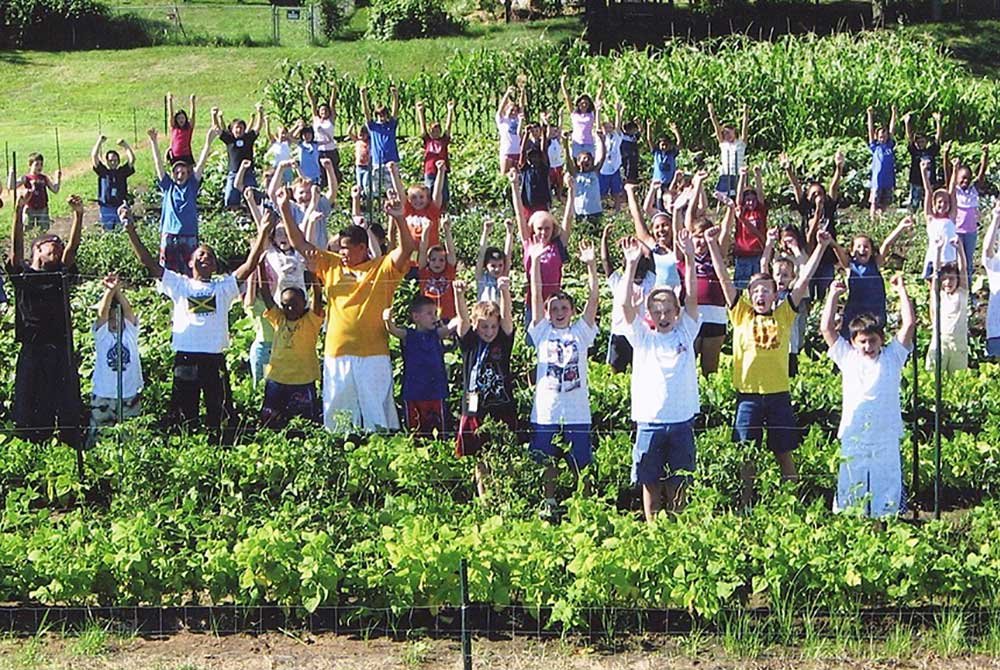
Make a plan. Before you start planting, take some time to make a plan for your garden that would be enjoyable for the kids and appropriate for their skills. Make a list of what you could grow and where you could plant each crop. You can use a garden design app or simply draw a rough sketch on a piece of paper. Make sure there will be enough sunlight. The kids can help measure the hours of sunlight in various spots on a sunny day. Put plants that tolerate less sun in the lowest light area. See our post Planning Your Food Garden.
Get your kids involved. Involve your kids in the planning and planting process. Let them help choose the plants, decide where to plant them, and assist with the actual planting. This will give them a sense of ownership and responsibility for the garden.
Start with seeds. If possible, start your garden with seeds rather than seedlings. This will give your kids the opportunity to see the entire growing process from start to finish. You can buy seed packets at your local garden center or online. But planting some seedlings is also highly recommended so the kids see results faster. See our post Seeds and Seedling for Beginners.
Get the right tools. Before you start planting, make sure you have the right tools. You'll need a garden spade, a hoe, a watering can, and possibly a wheelbarrow if you have a large garden. If you're planting in pots, you'll need a good quality potting soil and a bag of compost. Sterilize your tools before you start in dilute blue (1:10). You can also use vinegar at a higher concentration.
Teach your kids about composting. Composting is an excellent way to recycle kitchen scraps and yard waste and turn them into rich, nutritious soil for your garden. Teach your kids about composting and show them how to make a compost pile in your backyard or in a compost bin. Explain totem (if possible) that your garden is “super-powered” by Deep Roots’ 100% microbe-rich compost. Teach them the importance and soil microbes to building and supporting healthy soil for food plants. We recommend you use DIY compost for natives, flowers and ornamental plants.But use our microbe-rich compost for the food garden.

Water regularly. Plants need water to grow, so make sure your kids understand the importance of watering deeply. Teach them how to use a watering can or hose and show them how to check the soil to see if the soil is dry or moist with the ”finger test.”
Teach your kids about pests and disease. Pests and diseases can be a problem in any garden, so it's important to educate your kids about how to prevent and control these issues. Teach them how to identify common pests and diseases and show them how to use organic methods like biodiversity planting and succession planting to keep their garden healthy.
Harvest and eat your crops. The best part of gardening is eating the fruits of your labor! Teach your kids how to harvest their crops using our “no till, not dig, no pull” rule and encourage them to try new foods. You can also use your garden to teach your kids about healthy eating and the importance of incorporating fresh fruits and vegetables into their diet.
Keep a garden journal. Keeping a garden journal is a great way to track your progress and learn about the plants in your garden. Encourage your kids to write down observations, take pictures, and record the dates of importance.

“Grow Your Own Food” blog posts
See the full list of our Grow Your Own Food blog posts. Each post is assigned ”tags” which are under the post title. If you need a quick answer to a gardening question give us a call or send a text to our customer support team – support[at]deep-roots-project.org AND 708-655-5299.
Deep Roots online store
See our online store for details about prices, ordering and delivery of raised beds, planter boxes, microbe-rich compost, worm castings, leaf mulch and more. We don’t sell traditional soil, since we use 100% compost as our growing medium. Our online store has 2 sections – (1) raised beds and planter boxes and (2) compost, worm castings, fertilizer.
Please contact our customer support team before placing an order online so we can assist you with the details and answer your gardening questions. You can pay by credit card in the store or by check.
(708) 655-5299 and support[at]deep-roots-project.org
Sign up for our newsletter
Please leave your cell phone number when you sign up for our eNewsletter, if you want text message announcements now and then.
Donations help us provide organic kitchen gardening education to individuals, organizations, and entire communities. Thank you in advance for contributing to our community and for sharing our website and blog with friends and family.

Organic VS Conventional Food
Why is it worth making the investment to purchase more expensive organic products? Organic food is becoming increasingly popular as people are becoming more aware of the benefits of consuming food that is grown without harmful chemicals and pesticides. While there are still debates about whether organic food is truly more nutritious than conventional food, there is ample evidence to support the claim that organic food is healthier and safer for human consumption.
Why is it worth making the investment to purchase more expensive organic products? Organic food is becoming increasingly popular as people are becoming more aware of the benefits of consuming food that is grown without harmful chemicals and pesticides. While there are still debates about whether organic food is truly more nutritious than conventional food, there is ample evidence to support the claim that organic food is healthier and safer for human consumption.
Why is organic food healthier than conventional
There are many benefits to choosing organic. There are many reasons why organic food is considered healthier than conventional food. From the avoidance of harmful chemicals and pesticides, to the promotion of sustainable and environmentally friendly farming practices, to the possible higher nutritional quality of the food itself, there are many benefits to choosing organic.
Harmful chemicals and pesticides. First and foremost, organic food is grown without the use of harmful chemicals and pesticides. These chemicals are commonly used in conventional farming to protect crops from pests and disease, but they can be harmful to humans when consumed. In fact, many of the chemicals used in conventional farming have been linked to a range of health problems, including cancer, neurological damage, and endocrine disruption. By avoiding these chemicals, organic food provides a safer and healthier option for people who are concerned about the potential health risks associated with consuming food that has been treated with pesticides.
Sustainable and environmentally friendly. Another reason why organic food is considered healthier than conventional food is that it is often grown using more sustainable and environmentally friendly practices. For example, organic farmers may use crop rotation, composting, and natural predators to control pests, instead of relying on harmful chemicals. This not only helps to reduce the amount of harmful chemicals that are released into the environment, but it also supports the health of the soil and the ecosystems that rely on it.
Ongoing scientific debate about organic food nutrition levels. Organic food is also considered by some experts to be more nutritious than conventional food. This is because organic crops are grown in soil that is rich in nutrients and free from harmful chemicals, which can negatively impact the quality of the food. Studies have shown that organic crops tend to have higher levels of vitamins and minerals than conventional crops, which is why many people believe that organic food is a healthier option. For example, one study found that organic tomatoes had higher levels of vitamin C and other nutrients than conventional tomatoes. We don’t yet have several definitive studies to resolve this question.
Organic food is also often fresher than conventional food, as it is grown on a smaller scale and is not treated with chemicals to extend its shelf life. This means that organic food is more likely to retain its natural flavor and nutrients, and is less likely to contain harmful preservatives. By choosing organic food, people can be sure that they are consuming food that is as fresh and nutritious as possible.
Organic food is also safer for the environment. Conventional farming practices can lead to soil degradation and erosion, as well as contribute to water pollution and air pollution. In contrast, organic farming practices help to protect the environment by reducing the amount of harmful chemicals released into the environment, preserving soil health, and supporting local ecosystems. By choosing organic food, people can play a role in supporting sustainable and environmentally friendly farming practices, which is essential for the health of the planet.
Buying organic supports a healthier and safer food system. While organic food may be more expensive than conventional food, the investment is worth it for those who are concerned about their health and the health of the planet. By making the choice to purchase organic food, people can support a healthier and safer food system, and help to ensure that the food they consume is of the highest quality and safety.
“Grow Your Own Food” blog posts
See the full list of our Grow Your Own Food blog posts. Each post is assigned ”tags” which are under the post title. If you need a quick answer to a gardening question give us a call or send a text to our customer support team – support[at]deep-roots-project.org AND 708-655-5299.
Deep Roots online store
See our online store for details about prices, ordering and delivery of raised beds, planter boxes, microbe-rich compost, worm castings, leaf mulch and more. We don’t sell traditional soil, since we use 100% compost as our growing medium. Our online store has 2 sections – (1) raised beds and planter boxes and (2) compost, worm castings, fertilizer.
Please contact our customer support team before placing an order online so we can assist you with the details and answer your gardening questions. You can pay by credit card in the store or by check.
(708) 655-5299 and support[at]deep-roots-project.org
Sign up for our newsletter
Please leave your cell phone number when you sign up for our eNewsletter, if you want text message announcements now and then.
Donations help us provide organic kitchen gardening education to individuals, organizations, and entire communities. Thank you in advance for contributing to our community and for sharing our website and blog with friends and family.

Garden Partnering & Bartering
Food garden partnering and bartering is a great way for people to come together, build community, save money on groceries, and share the fruits of their labor. Whether you are working with family members, neighbors, schools, churches, or community gardens, there are many ways to get involved and start sharing your produce, skills and time. Here are some of the ways that food garden partnering and bartering works.
Food garden partnering and bartering is a great way for people to come together, build community, save money on groceries, and share the fruits of their labor. Whether you are working with family members, neighbors, schools, churches, or community gardens, there are many ways to get involved and start sharing your produce, skills and time. Here are some of the ways that food garden partnering and bartering works.
Family Members: One of the simplest ways to participate in food garden partnering and bartering is by working with family members. If you have a backyard garden, you can share your produce with your family members, and they can do the same with you. This can be especially helpful for families who are trying to save money on groceries.
Involve apartment and condo dwellers who don’t have land to grow a garden.
Neighbors: Neighbors can also work together to share the bounty of their gardens. If you live in a community where many residents have a garden, you can organize a weekly or monthly gathering where everyone brings their produce to share with each other. This can help to build a sense of community and foster friendships between neighbors. Plus, set up an online website and email list to share harvest, knowledge and labor.
Schools: Many schools have started to incorporate food gardens into their curriculum, and this can be a great way to get kids involved in food garden partnering and bartering. Students can work together to grow fruits and vegetables, and then they can share their harvest with other students, teachers, and staff members.
Churches and temples: Churches, temples and other religious groups can also be a great place to organize food garden partnering and bartering. If your church has a garden, you can organize a weekly or monthly event where members can bring their produce to share with each other. This can help to build a sense of community within the church, and it can also provide fresh produce to those in need. Or bring crops to share at regular weekly gatherings.
Community Gardens: Community gardens are perfect for gardeners who live in apartments, condos and have no yards. Community gardens are a great way for people to come together and share their love of gardening. If you participate in a community garden, you can work with other gardeners to share your produce and learn from each other. Many community gardens also organize events where members can bring their produce to share with each other.
Connecting apartment dwellers & food gardeners
Cultivating connections between apartment dwellers and food gardeners. In urban environments, space can be a limiting factor when it comes to growing a food garden. Many apartment and condo dwellers may not have access to land for cultivating their own gardens. However, community residents with gardens often have extra food to share or could use a helping hand in maintaining their green spaces. By connecting these two groups, a mutually beneficial relationship can be established, fostering both community-building and sustainable urban agriculture.
Community Garden Initiatives: Establishing or joining a community garden is an excellent way for apartment and condo dwellers to get involved in gardening. These gardens are communal spaces where members can cultivate individual or shared plots. They provide an opportunity for people without access to land to grow their own food, while also allowing experienced gardeners to share their knowledge and resources.
Garden Share Programs: Garden share programs can connect apartment dwellers with gardeners who have available land. These programs work by matching individuals who want to grow food with those who have extra space in their gardens. The two parties can then collaborate on the cultivation of the plot, sharing both the workload and the produce.
Tool and Resource Sharing: Creating a shared resource center can benefit both apartment dwellers and community gardeners. By pooling tools, seeds, and other gardening supplies, individuals can reduce their expenses and make gardening more accessible to those without their own resources.
Skill-Sharing Workshops and Events: Organizing workshops and events focused on gardening skills, such as composting, plant propagation, and organic pest control, can help build connections between apartment dwellers and community gardeners. These events can serve as opportunities to share our Transformational Gardening method, biodiversity planting. and the importance of nurturing the ecosystem below and above the ground.
“Grow Your Own Food” blog posts
See the full list of our Grow Your Own Food blog posts. Each post is assigned ”tags” which are under the post title. If you need a quick answer to a gardening question give us a call or send a text to our customer support team – support[at]deep-roots-project.org AND 708-655-5299.
Deep Roots online store
See our online store for details about prices, ordering and delivery of raised beds, planter boxes, microbe-rich compost, worm castings, leaf mulch and more. We don’t sell traditional soil, since we use 100% compost as our growing medium. Our online store has 2 sections – (1) raised beds and planter boxes and (2) compost, worm castings, fertilizer.
Please contact our customer support team before placing an order online so we can assist you with the details and answer your gardening questions. You can pay by credit card in the store or by check.
(708) 655-5299 and support[at]deep-roots-project.org
Sign up for our newsletter
Please leave your cell phone number when you sign up for our eNewsletter, if you want text message announcements now and then.
Donations help us provide organic kitchen gardening education to individuals, organizations, and entire communities. Thank you in advance for contributing to our community and for sharing our website and blog with friends and family.

Decline in health and life expectancy of Americans
“Americans are sicker than ever, and it’s not only resulting in poor physical and mental health; it’s impacting our economy, our environment, our children’s future, and our national security. Although new science tells us that nutrition is the most important part of wellness, ultra-processed foods dominate the American diet which drives our obesity, chronic disease, and mental health crises.” – Dr. Mark Hyman
“Americans are sicker than ever, and it’s not only resulting in poor physical and mental health; it’s impacting our economy, our environment, our children’s future, and our national security. Although new science tells us that nutrition is the most important part of wellness, ultra-processed foods dominate the American diet which drives our obesity, chronic disease, and mental health crises.” – Dr. Mark Hyman
The decline in health and life expectancy of Americans in recent years is a multifaceted issue, deeply rooted in various societal, economic, and lifestyle factors. Central to this decline are elements such as the widespread consumption of ultra-processed foods, sugar addiction, unhealthy food production practices, and sedentary lifestyles. This decline is alarming, especially when contrasted with health statistics from other countries, and it signals a growing public health crisis.
Ultra-Processed Food Consumption
The American diet has seen a substantial increase in the consumption of ultra-processed foods. These foods are often high in unhealthy fats, sugars, salt, and preservatives while being low in essential nutrients. Their convenience and widespread availability have made them a staple in many American households. However, the long-term health consequences of such a diet are severe. Regular consumption of ultra-processed foods has been linked to obesity, heart disease, diabetes, and certain types of cancer.
Sugar Addiction
Closely related to the rise in ultra-processed food consumption is the issue of sugar addiction. Many processed foods contain high levels of added sugars, which can lead to an array of health issues. Excessive sugar intake is not only a leading cause of obesity but also increases the risk of type 2 diabetes, liver disease, and heart problems. The addictive nature of sugar leads to a cycle of cravings and overconsumption, making it challenging for individuals to break free from these unhealthy eating patterns.
Unhealthy Food Production Practices
The methods used in food production in the United States also contribute to the decline in health. The widespread use of pesticides, hormones, and antibiotics in agriculture and livestock rearing can have adverse health effects. Moreover, the environmental impact of these practices, such as soil depletion and water contamination, indirectly affects public health.
Sedentary Lifestyle
The modern American lifestyle is increasingly sedentary, with many people spending long hours in front of screens for both work and leisure. Physical inactivity is a significant risk factor for numerous health problems, including heart disease, stroke, obesity, and mental health issues. The lack of regular physical activity exacerbates the health impact of poor dietary habits.
Chronic Diseases in Younger Populations
Traditionally associated with old age, chronic diseases such as type 2 diabetes, hypertension, and heart disease are now increasingly affecting younger Americans. This shift is largely attributable to poor dietary habits and a lack of physical activity. The early onset of these chronic conditions not only affects the quality of life but also increases healthcare costs and puts a strain on the healthcare system.
Comparison with Other Countries
When comparing the health statistics of the United States with other developed countries, the contrast is stark. Countries such as Japan, Canada, and many in Europe often have higher life expectancies and lower rates of obesity and chronic diseases. These differences can be attributed to various factors, including dietary habits, healthcare systems, and cultural attitudes towards health and wellness.
In many of these countries, diets are less reliant on processed foods and more on fresh, whole foods. For instance, the Mediterranean diet, prevalent in countries like Greece and Italy, is rich in fruits, vegetables, whole grains, and healthy fats and has been linked to lower rates of heart disease and longer life expectancy. Furthermore, these countries often have more robust public health policies and healthcare systems focused on preventive care and public education about healthy lifestyles.
Conclusion
The decline in health and life expectancy in the United States is a complex issue that requires a multifaceted approach to address. It involves not only changing individual behaviors but also overhauling certain aspects of food production and distribution. Moreover, it calls for a cultural shift towards valuing health and wellness, along with supportive policies and systems that make healthy choices accessible and affordable for all Americans. By learning from the practices of healthier countries and implementing comprehensive public health strategies, there is potential to reverse these troubling trends and improve the overall health and longevity of the American population.
“Grow Your Own Food” blog posts
See the full list of our Grow Your Own Food blog posts. Each post is assigned ”tags” which are under the post title. If you need a quick answer to a gardening question give us a call or send a text to our customer support team – support[at]deep-roots-project.org AND 708-655-5299.
Deep Roots online store
See our online store for details about prices, ordering and delivery of raised beds, planter boxes, microbe-rich compost, worm castings, leaf mulch and more. We don’t sell traditional soil, since we use 100% compost as our growing medium. Our online store has 2 sections – (1) raised beds and planter boxes and (2) compost, worm castings, fertilizer.
Please contact our customer support team before placing an order online so we can assist you with the details and answer your gardening questions. You can pay by credit card in the store or by check.
(708) 655-5299 and support[at]deep-roots-project.org
Please leave your cell phone number when you sign up for our eNewsletter, if you want text message announcements now and then.
Donations help us provide organic kitchen gardening education to individuals, organizations, and entire communities. Thank you in advance for contributing to our community and for sharing our website and blog with friends and family.

Food as Medicine
The medicinal advantages of healthy food cannot be understated. A well-balanced diet that includes unprocessed fresh foods, variety of fruits, vegetables, nuts/seeds, and very small amounts of fish & animal foods can help support overall health and prevent a number of chronic diseases. The key to success is avoiding sugar, unhealthy oils made from seeds and processed foods. Some people avoid all animal foods like fish, meat, dairy, eggs and alcoholic drinks. Your body will thank you for choosing healthy food and lifestyle.
The medicinal advantages of healthy food cannot be understated. A well-balanced diet that includes unprocessed fresh foods, variety of fruits, vegetables, nuts/seeds, and very small amounts of fish & animal foods can help support overall health and prevent a number of chronic diseases. The key to success is avoiding sugar, unhealthy oils made from seeds and processed foods. Some people avoid all animal foods like fish, meat, dairy, eggs and alcoholic drinks. Your body will thank you for choosing healthy food and lifestyle.
Medicinal advantages of eating healthy foods
Healthy weight and prevent obesity. For starters, a well-balanced diet can help maintain a healthy weight and prevent obesity, which is a major risk factor for a number of chronic diseases such as heart disease, diabetes, and certain cancers. Plus, you will be happier.
Essential vitamins and minerals. A diet rich in fruits and vegetables can provide essential vitamins and minerals that are necessary for optimal health. Fruits and vegetables are a good source of vitamins A, C, and E, which are important for maintaining healthy skin and eyesight, as well as a strong immune system. They are also a good source of fiber, which can help support healthy digestion and prevent constipation.
Reduce the risk of chronic disease. Eating healthy food can also help reduce the risk of chronic diseases such as heart disease and diabetes. Diets that are high in fruits, vegetables, and whole grains, and low in saturated and trans fats, can help reduce the risk of heart disease by lowering cholesterol levels and reducing inflammation in the body. A diet that is high in fiber and low in added sugars can also help control blood sugar levels and prevent the development of diabetes. Avoiding all sugar is even better. Some natural sweeteners are okay like organic date powder and monk fruit. Functional medicine health professionals have also used food, herbs and nutrients to reverse heart disease, diabetes, leaky gut, inflammation and other chronic diseases.
Mental and emotional benefits. In addition to the physical benefits, healthy eating can also have mental and emotional benefits. Eating a balanced diet that includes a variety of healthy foods can help improve mood and cognitive function, and may even help reduce the risk of depression and anxiety. Healthy diet for children not only hugely improves mental health, but also promotes healthy brian development leading to happiness and success as an adult.
What is natural Immunity?
Our immune system is capable of fighting off infections and viruses (like C0V!D). Optimizing your diet is one of the most important ways you can increase your natural immunity. Plus, a healthy diet can taste great. Learn about diet and nutrients needed for a healthy immune system. Explore what top medical experts recommend for protecting your immune system, boosting your gut health, and priming your immune system. Learn how you can eat to reduce inflammation and prevent things like brain fog, headaches, fatigue, and numerous other daily struggles. Two great places to start your learning journey is Food Revolution Network and Dr. Mark Hyman.
Diet, sleep and exercise: A balanced diet consisting of a range of vitamins and minerals, combined with healthy lifestyle factors like adequate sleep and exercise and low stress, most effectively primes the body to fight infection and disease. Exercise with weights that builds muscle gives better results in a shorter time than cardio exercise like running and biking (spinning).The design of our immune system is complex and influenced by an ideal balance of many factors, not just diet, and especially not by any one specific food or nutrient.
On a daily basis, we are constantly exposed to potentially harmful microbes of all sorts. Our immune system, a network of intricate stages and pathways in the body, protects us against these harmful microbes as well as certain diseases. It recognizes foreign invaders like bacteria, viruses, and parasites and takes immediate action. Get great details from the Harvard School of Public Health article “Nutrition and Immunity”
What is functional nutrition and medicine?
Systems-oriented approach: A functional nutritionist or physician is a health practitioner who uses a systems-oriented approach to nutrition and wellness to help individuals identify and address the root causes of their health problems. They use a variety of tools and techniques to develop personalized nutrition plans and collaborate with healthcare providers to ensure that their patients receive comprehensive and effective care.
Not a “one-size-fits-all” approach: If you are looking for a holistic approach to your health, a functional nutritionist or physician may be the right choice for you. Functional nutrition is not a “one-size-fits-all” approach. Every person is unique, and a functional medicine professional takes this into account when developing a nutrition and treatment plan. They understand that different people have different needs and that a person's health needs may change over time as they heal and grow.
Latest scientific research and clinical practices: Functional nutrition and medicine are evidence-based fields that utilize the latest scientific research and clinical practices. These professionals stay up-to-date with the latest advances in the field and continually improve their knowledge and skills. This is an effective approach to helping individuals achieve optimal health.
Root causes of health problems
By addressing the underlying causes of health problems, functional nutritionists can help individuals achieve sustained health and wellness. This approach can be especially beneficial for individuals with chronic health conditions, such as autoimmune disorders, digestive problems, and hormonal imbalances.
They take into account a person's overall health history, lifestyle, and current symptoms to develop a comprehensive understanding of their health status. Functional health professionals differ from traditional dietitians, nutritionists and doctors in that they do not simply focus on what a person is eating, but also on how their body is functioning.
They use a variety of tools to help identify the root causes of health problems, including comprehensive dietary assessments, laboratory tests, and functional medicine assessments. These tools help practitioners determine imbalances in the body that may be contributing to health issues, such as nutrient deficiencies, hormonal imbalances, food sensitivities, parasites and gut dysbiosis.
Symptoms of gut dysbiosis include chronic fatigue, digestive problems, trouble urinating, acid reflux or heartburn, vaginal or rectal infections or itching, food intolerance, gas, and bloating, inflammation and aching joints, acne, skin rashes, and psoriasis.
Parasites can be an underlying contributing factor to many chronic health problems and a big reason why previous attempts at healing have been unsuccessful. Most everyone has some sort of parasite – even healthy people with no symptoms. Children and adults with weakened immune systems are most at risk, but it can happen to anyone. Some parasites fuel disease and others benefit health.
Personalized nutrition plan. Once the root cause of a health problem has been identified, a functional health professional works with the individual to develop a personalized nutrition and supplement plan that addresses the underlying issues. This may involve changes to the person's diet, the addition of specific supplements, and lifestyle modifications.
Coordinate care with other healthcare professionals. Functional health professional may also work with healthcare providers to coordinate care and ensure that their patients receive the most comprehensive and effective treatment possible. They may collaborate with other healthcare professionals, such as chiropractors, physical therapists, acupuncturists, and naturopathic doctors, to provide a holistic approach to health and wellness.
“Grow Your Own Food” blog posts
See the full list of our Grow Your Own Food blog posts. Each post is assigned ”tags” which are under the post title. If you need a quick answer to a gardening question give us a call or send a text to our customer support team – support[at]deep-roots-project.org AND 708-655-5299.
Deep Roots online store
See our online store for details about prices, ordering and delivery of raised beds, planter boxes, microbe-rich compost, worm castings, leaf mulch and more. We don’t sell traditional soil, since we use 100% compost as our growing medium. Our online store has 2 sections – (1) raised beds and planter boxes and (2) compost, worm castings, fertilizer.
Please contact our customer support team before placing an order online so we can assist you with the details and answer your gardening questions. You can pay by credit card in the store or by check.
(708) 655-5299 and support[at]deep-roots-project.org
Please leave your cell phone number when you sign up for our eNewsletter, if you want text message announcements now and then.
Donations help us provide organic kitchen gardening education to individuals, organizations, and entire communities. Thank you in advance for contributing to our community and for sharing our website and blog with friends and family.