

Know Your Climate Zone
It’s important to understand how average temperatures shift through the seasons and the preferred temperature range for specific crops in your climate zone.This post is mostly about the Chicago area (climate zones 5b and 6a). Use a planting calendar for your climate zone.
This post offers general tips for beginning gardeners in many climate zones. Chicago and suburbs are now in climate zone 6a. If you are in the Chicago area go to our Planting Calendar Climate Zone 6a for links to detailed planting calendars for popular vegetable families. The Chicago area and many regions in the U.S. are in Zone 5b and 6a. Our Planting Calendar for Zone 6a includes tips about planting and harvesting dates and more. Learn how to protect specific crops from temperature extremes and unpredictable weather in our blog post Veggie Temperature Tolerances. Find YOUR climate zone in the Map of U.S. Climate Zones on the USDA website.

Know what your plants need
Understanding the needs of your plants and how to care for them can help ensure a successful harvest. Know the crops that are cold tolerant for planting in spring and fall. Know the crops that need warmth to thrive and are planted in late spring and mid-August. Know how to protect your seeds and seedlings from unexpected dips and spikes in temperature.
How early you can plant in spring depends on the hardiness (cold tolerance) of the vegetables and the climate in your area. Our 9 new Planting Calendar Charts for veggie groups for Zone 6a gives the planting and harvesting dates for popular veggies as well as temperature tolerance and much more.
Follow a planting calendar chart for YOUR “climate zone” to know planting and harvest dates for each crop. The planting dates are based on the date of the average last 32º freeze in your climate zone. The most reliable planting calendars are from YOUR state university agricultural extension offices. Chicago area gardeners can ask questions to the Deep Roots support team or the Chicago Botanic Garden Plant Information Service. But keep in mind that the Botanic Garden doesn’t follow the Deep Roots innovative edible gardening method.
Climate change has made the safe planting date a moving target. It’s unpredictable. It’s helpful to know the lowest safe temperature for each crop. Many crops can be planted before the last frost date. Some crops are more sensitive to cold than others. Know what is the lowest temperature a crop can tolerate, especially at night. Some crops are very sensitive to temperature and some are less sensitive.
USDA Plant Hardiness Zones
Find your local climate zone: Visit the United States Dept of Agriculture (USDA) interactive Plant Hardiness Zones map on their website to find your local climate zone. It looks like the map at the top of this post. On the USDA’s site click on a spot to zoom in or out. The map is divided into 13 zones, each representing a 10-degree Fahrenheit difference in the average annual minimum temperature. Fast and easy way to find first and last average frost-free dates in your climate zone by entering your zip code. Try this online climate zone search tool on the Morning Chores website.
Know the best crop varieties and pests for your zone. Knowing your zone will help determine which plants are most likely to thrive in your specific geographic area. As a beginning gardener, start by growing the easiest veggies. It's also important to learn local pest management. View Deep Roots blog posts about pests in Zone 6a
Temperature tolerances. It's important to consider the heat and cold tolerances of your plants. Soil temperature is often more important than air temperature. Deep Roots Zone 6a Planting Calendars include best soil temperatures. For example, tomatoes and peppers, thrive in warmer temperatures and may need special attention and care in cooler climates. Other crops, such as kale and collards, can tolerate colder temperatures and may be better suited for cooler zones. See our post about Optimizing Sunlight to learn how to protect crops from extreme temperatures.
Planting calendar tips for beginners
Here are some general tips on how to use your local climate zone calendar effectively. We provide lots more details in our Planting Calendars for Climate Zone 6a.
Understand your climate hardiness zone and your planting calendar before you start planting. Start a small garden and learn more at a comfortable pace.
Determine the first and last average frost-free dates: This information is critical to ensure that you plant at the right time and avoid frost damage to your crops.
Know planting dates for seeds and seedlings (transplants). As a beginner, it's recommended that you buy transplants from your local nursery or garden center. This will help you avoid the challenges of starting seeds indoors or outdoors and also ensures that your plants are healthy and ready to grow. Deep Roots planting calendars include information about direct sowing outdoors, starting seeds indoors and buying seedlings.
Move the transplants (seedlings) you buy to larger pots so you can bring them inside if the temperature goes too low during the day or at night. Watch the temperature fluctuations carefully.
Plant warm-loving vegetables after the magical average frost-free date: Some vegetables, such as tomatoes and peppers, require both warm soil and air temperatures to grow. Wait until two weeks after the average frost-free date to plant these vegetables.
Be prepared for unpredictable weather. Climate change makes planting dates more unpredictable. Make sure to keep an eye on the weather forecast and use techniques like fabric (floating row covers) to protect your plants from unexpected high and low temperatures. while still allowing rain and sun.
Extend your growing season: You can extend your growing season by using season-extending techniques such as floating row covers, hoop houses, and cold frames. In this video learn how to use hoops to protect crops in raised beds from high and low temperatures as well as pests. See our blog post Installing Hoops on Raised Beds.
Check the days to maturity: The planting calendar will include the days to maturity for each vegetable. This information will help you plan your harvest and ensure that you have a continuous supply of fresh produce throughout the season.
High and low temperature tolerance: Some vegetables are more tolerant of high and low temperatures than others. The planting calendar will include this information so that you can choose vegetables that are suitable for your climate.
“Grow Your Own Food” blog posts
See the full list of our Grow Your Own Food blog posts. Each post is assigned ”tags” which are under the post title. If you need a quick answer to a gardening question give us a call or send a text to our customer support team – support[at]deep-roots-project.org AND 708-655-5299.
Deep Roots online store
See our online store for details about prices, ordering and delivery of raised beds, planter boxes, microbe-rich compost, worm castings, leaf mulch and more. We don’t sell traditional soil, since we use 100% compost as our growing medium. Our online store has 2 sections – (1) raised beds and planter boxes and (2) compost, worm castings, fertilizer.
Please contact our customer support team before placing an order online so we can assist you with the details and answer your gardening questions. You can pay by credit card in the store or by check.
(708) 655-5299 and support[at]deep-roots-project.org
Sign up for our newsletter
Please leave your cell phone number when you sign up for our eNewsletter, if you want text message announcements now and then.
Donations help us provide organic kitchen gardening education to individuals, organizations, and entire communities. Thank you in advance for contributing to our community and for sharing our website and blog with friends and family.

Cabbage Family (Brassica) Tips
Broccoli, Brussel sprouts, cauliflower and cabbage
Many nutrition experts say that broccoli and kale are the most healthy of all veggies and worth their weight in gold. But, in our area Broccoli, Brussel Sprouts, Cauliflower and Cabbage are more heavily damaged by pests like the cabbage looper and cabbage worm than other plants in the Cabbage Family. Plus, broccoli can be heavily damaged by “clubroot,” making it the most difficult of the cabbage family veggies to grow in our area. These growing tips will give you the knowledge to grow all the cabbage family veggies successfully. But as you will see the extra time and energy may not be worth the return.
Broccoli and kale are super foods and worth their weight in gold. Cabbage/Brassica Family includes Arugala, Bok choi, Broccoli, Brussel Sprouts, Cabbage, Cauliflower, Collards, Cress, Horseradish, Kale, Kolhrabi, Mustard Greens, Radishes, Rutabagas, Turnips. In greater Chico area Broccoli, Brussel Sprouts, Cauliflower and Cabbage.

Planting and care tips
Our goal is healthy veggies. The goal is to keep the pests under control so your harvest is not severely damaged or your yield reduced. Cruciferous vegetables is another name for the Cabbage Family (Brassica) plants.
We don’t expect 100% perfect veggies. We can eat green leafy veggies with a few (caterpillar (cabbage worm) holes as long as we wash them first. A few holes doesn't hurt humans or the plant. But a few holes may not be okay with neighbors and friends who share your harvest.
Biodiversity planting helps control pests. Mixing together many friendly plants (companions) in the same bed masks the scent of the plant that the pest is attracted to. It also helps to grow pest resistant varieties of your favorite veggies. View our blogpost on biodiversity
The swede midge fly (Contarinia nasturtii), an invasive pest from Europe, has begun wreaking havoc on brassica crops. including radish, horseradish, rutabaga, turnip, rapeseed (canola), arugula, bok choy and Chinese cabbage. Crops that are most damaged include common favorites such as broccoli, cauliflower, cabbage, kale, kohlrabi, collards and Brussels sprouts. Since we have not yet found a pesticide for swede midge our sollution is to grow only collards and kale. We harvst as soon as large leves appear throughout the sesaon. If swede midge damage appears on the base of the leaf, we cut it off and wash all harvested leaves. View our blog post on Swede Midge.
Club Root disease: Many local home gardeners have given up growing broccoli and focus instead on other greens like kale, Swiss chard, Chinese cabbage, Chinese broccoli and Bok Choy. Protection from Club Roots takes time, knowlege and determination. It’s best to grow from seed to avoid buying contaminated seedlings. Watch this video on club root disease.
Companion plants that discourage cabbage worms are catnip, dill, geranium, nasturtium, sage, and thyme. Plants that discourage cabbage loopers are catnip, dill, nasturtium, peppermint, rosemary, sage, spearmint, and thyme.
Companion aromatic plants that repel and block pests are sage, rosemary, thyme, mint and nasturtium. The smell of these herbs and flowers in particular make multiple brassica pests turn the other way.
Get help from the experts on pests from your local botanic garden and state university agricultural extension.
In our experience kale is more resistant to pests than any of the other cabbage family varieties.
The three main brassica pests are flea beetles, aphids, and cabbage worms. Flea beetles are very tiny and hop around like fleas.
An easy first line of defense against pests are crop rotation, biodiversity planting and “floating row cover.” If you still get some caterpillars check our post on Environmental Pest Management.
Floating row cover on all brassicas for the whole season will prevent cabbage moths from laying their eggs on your plants. Floating row cover is a thin white gardening fabric that allows in sunlight and rain. Weight down the fabric edge so the moths can’t fly inside. This only works in a bed that has NOT grown cabbage family veggies last year since the eggs could be in the soil and will hatch into cabbage moths. See our blog post Installing Hoops on Raised Beds.
Bok choi (Pak choi) is a type of Chinese cabbage. The plant is a member of the brassicae or cruciferae families, also known as mustards, crucifers, or cabbages.
The easiest brassicas to grow are short-season greens like baby kale, mustard greens, or bok choy are the. Sown in early spring or late summer, they will start producing baby greens in just a few weeks and maybe harvested at full size for cooking.
The healthiest cruciferous vegetables may include Broccoli, Brussels sprouts, Cabbage, Cauliflower, Kale. Various studies have reported that eating more cruciferous vegetables has several health benefits.
For more tips on planting seeds and seedlings, managing pests and our local Planting Calendar go to our blog posts:
Broccoli growing tips
Broccoli is a sun-loving, cool-season crop that is best grown in the spring or fall. It’s also incredibly healthy, rich in vitamins and minerals, and is a good source of Vitamin A, potassium, folic acid, iron, and fiber.
Broccoli is attacked by multiple pests and diseases in our area. Our main problem is “Club Root.” Many local home gardeners have given up growing broccoli and focus instead on other greens like kale, Swiss chard, Chinese cabbage, Chinese broccoli and Bok Choy. The Deep Roots team is still researching this problem. We suggest growing broccoli in a container with fresh Deep Roots compost. Don’t use tools and gloves that have been used with other soil,
Planting: Broccoli thrives at 65°F to 70°F and is very sensitive to temperature. Plant in early spring when the soil is damp since broccoli will bolt in warm weather and not produce the “floret” (the bushy part). You want the plant to move slowly into seed and have time to give maximum energy to producing the large floret. Plant seedlings (with 4 or 5 leaves) about 2 to 3 weeks before the last spring frost date. Consult planting locations in our Biodiversity method post.
Care: Keep moist but don’t over water. Provide consistent soil moisture especially in drought conditions (1-1.5 inches of water per week.) Don’t get the heads wet when watering, as it can encourage rot. Roots are very shallow, so try not to disturb the plants. Mulch to suffocate weeds and to help keep soil temperatures down. To promote the growth of a second head after the first has been harvested, maintain watering schedule.
How to harvest broccoli: Harvest broccoli in the morning before it heats up when the buds of the head are firm and tight, just before the heads flower. If you do see yellow petals, harvest immediately, since flowering will decrease quality of florets rapidly. Most varieties have side-shoots that will continue to develop after the main head is harvested. You can harvest from one plant for many weeks, in some cases, from spring to fall, if your summer isn’t too hot. Also harvest and eat the leaves.
How to store broccoli: Store broccoli in the refrigerator for up to 5 days. If you wash before storing, make sure to dry it thoroughly. Broccoli can be blanched and frozen for up to one year.
Kale growing tips
Seasonal tips: Hearty kale is the most reliable crop of the cabbage gamily – cold-hardy and resilient plant. It will continue to grow through the summer. The flavor changes depending on when you harvest it – mildest in spring, more bitter in hot weather, and sweeter after a frost. We like this video: Growing kale for sowing to harvest
Plant in early spring or late summer for a fall crop. Cool weather brings out the sweet, nutty flavor of this highly nutritious green. Plant seedlings very early in the spring (3 to 5 weeks before the last frost). Since the temperatures can dip below the 20s, have floating row covers on hand so you can cover them on cool nights. Mulch the soil heavily after the first hard freeze in the fall.
Plant 6 to 8 weeks before the first frost for fall. Harvest it from fall until the ground freezes in winter as the flavor sweetens after a couple frosts. You can extend the harvest season with a mini hoop house covered in plastic. Add a row cover fabric resting directly on the plants inside the hoop house.
Kale will grow throughout the summer. But in hot weather it tends to become tough and bitter. For best results, kale should be allowed to mature in cooler weather. Kale tastes best when plants grow rapidly and mature before the heat of summer (before temperatures exceed 75°F) or after fall frosts. We grow kale through the hot weather in the Chicago area.
Watering and mulch: It’s important to keep kale well watered but don’t over water. Water 1 to 1.5 inches each week. Mulch the soil with a layer of compost and a layer of straw to keep down the weeds and keep kale cool.
Harvesting: Kale is ready to harvest when the leaves are about the size of your hand. Start harvesting the oldest leaves first from the lowest section of the plant. Discard any yellowed or torn leaves. Avoid picking the terminal bud (found at the top center of the plant) because this will help to keep the plant productive.
Our Innovative Food Gardening Method
Learn more in our two recently revised blog posts.
Our online store
See our online store for details about prices, ordering and delivery of raised beds, compost, worm castings and more. Please contact our customer support team before placing an order online so we can assist you with the details and answer your gardening questions.
QUESTIONS? COMMENTS?
Contact us at (708) 655-5299 or support[at]deep-roots-project.org.
15% discount on raised bed fall orders. Contact 708-655-5592 OR support[at}deep-roots-project.org
Stay in touch
Please leave your cell phone number when you sign up for our eNewsletter, if you want text message announcements now and then.
Donations help us provide organic kitchen gardening education to individuals, organizations, and entire communities. Thank you in advance for contributing to our community and for sharing our website and blog with friends and family.

Biodiversity Helps Control Pests
Biodiversity planting methods harness the forces of nature to help protect your garden as well as individual plants from pests and disease. Think of the plant populations as a team with complimentary skills all cooperating together. Balance and a strong ecosystem are achieved for the whole community of plants.
Biodiversity planting methods harness the forces of nature to help protect your garden as well as individual plants from pests and disease. Think of the plant populations as a team with complimentary skills all cooperating together. Balance and a strong ecosystem are achieved for the whole community of plants.

Biodiversity: The Foundation of a Thriving Garden
Abundant productivity in a garden starts with biodiversity—the presence of many different kinds of plants, each playing its own role. Scientific research shows that diverse plant communities improve soil health, attract beneficial insects, suppress pests naturally, and make crops more resilient to stress. In simple terms: the more variety you have, the better your garden can thrive without relying on synthetic inputs.
When we grow only one type of plant in one place, the soil becomes depleted, pests take over, and diseases spread easily. But when we intentionally design for diversity—mixing vegetables, herbs, flowers, and cover crops—we create a living system where plants support one another. Some fix nitrogen, others repel pests, and many attract pollinators or break up compacted soil. This natural teamwork is the secret to healthy, high-yield gardens.
Let abundance flourish through this careful orchestration. Biodiversity isn’t just beautiful—it’s functional. When you plant a rich mix of species and rotate your crops each season, you not only grow more food, you grow healthier soil and a more self-sustaining ecosystem. Even small changes—like interplanting herbs among your vegetables or choosing three different types of tomatoes instead of one—can make a big difference.
Learn how to put biodiversity to work in your raised bed or backyard plot. Whether you’re brand new to gardening or looking to deepen your skills, biodiversity is one of the most rewarding tools you can use to build a thriving, regenerative garden.
Be creative with biodiversity
Your imagination defines the limit of biodiversity in your garden. Be a creative gardener. How do you envision your garden? Experiment with many combinations of plants. Old fashioned gardening has many rules like planting in neat rows. Biodiversity gives you the freedom to co-create with nature. A biodiverse raised bed may look like chaos compared to the traditional garden layout. But actually it resembles the biodiversity found in natural systems.
As above, so below. There are tens of thousands of microbial species living in your soil. To balance that we need to preserve plant diversity above the soil. Our diversity mimics the diversity below ground. Learn more in our recently updated blog post about soil microbes and compost.
We recommend at least a dozen different plants including veggies, herbs and flowers in each bed and the large containers surrounding the bed. It can be dominated by a single veggie like tomatoes, with a dozen smaller plants scattered around. There are many ways to do this and it's up to you the gardener to decide. Smaller plants that need sun should be on the south side of the larger plant or at least not shaded by them.
Don’t try to plan your garden alone. For most gardeners, January and February are the planning months for the new gardening season. Give yourself time to explore several possibilities. Do some reading. Explore the Deep Roots blog posts. Talk to other food gardeners. Contact our support team for some phone discussions.
Take on as much as you can handle the first year. Send us questions when you run into a problem. Gardening is all about trying new things and learning from your mistakes. Learn more about our Innovative Method in our 2 recently updated posts.
Biodiversity basics and tips
A biodiverse food garden has a mixture of a dozen or more different plants growing throughout the bed and in surrounding containers including root crops, leafy greens, flowers, herbs, fruiting crops (tomatoes, eggplant and peppers), beans & peas and native plants.
The mixture of plants confuses pests who seek out a good size patch of their favorite plant.
Don’t plant the crops from the same family next to each other. A large group of the same plant has a stronger scent and attracts more pests and can more easily spread diseases.
Two raised beds is even better than one for biodiversity planting.
Plant large plants like tomatoes on opposite sides of your bed or in separate containers to discourage disease spread. Or, plant several tomatoes in one bed with basil and marigolds between them.
If you plant a tomato in a big pot strategically place basil and lettuce seedlings around the base of the tomato and watch them grow together. Prune off most of the tomato’s lower foliage to allow more sun to reach the kale and basil.
Fill empty spots with plants from a different family when you harvest a whole plant. Maximize your harvest by filling empty spots mid-season with seeds or seedlings.
Plant seeds of small plants in several spots around the bed in small clusters (6-8” diameter) or short rows. Examples of small plants are beets, carrots, radishes, onions.
If you want to grow a lot of the same crop like tomatoes, squash and cucumbers, figure out a way to plant them as far away from each other as possible. They can grow in their own large containers.
Environmental Pest Management (EPM) is a method that is used in combination with Biodiversity Planting to prevent and manage pests & diseases. But biodiversity is not a complete solution for any specific pest or disease. We also use organic pesticides and fungicides in limited quantities for pest prevention.
When you focus on a few crops because your family loves them and they are super healthy, plant lots of different flowers, herbs and small crops (lettuce, beets, radishes, strawberries, basil, marigolds, nasturtiums) at the edges of your bed and in the spaces between them.
Don’t block the sun with large plants. Place taller plants like tomatoes at the north side of a raised bed. Place the shortest plants on the south side of the bed.
Sunlight: Place your raised bed and large containers in the sunniest spot of your yard. 8 hours of sun or more is optimal. Some plants are okay with 5 to 8 hours of sun. They may be smaller and take longer to grow to maturity.
Shade a cool season plant like lettuce in mid-summer next to a tall tomato plant.
Plant small and medium size veggies that need less sun like lettuce and dill about 12” from the tomato plant’s main stem. Prune off most of the tomato’s lower foliage up to 10 inches.
Two or three tomato plants in your raised bed is fine if you prune them properly and grow them vertically on tomato cages or trellises.
Don’t plant huge plants like squash in your raised bed even if it grows up a trellis. Plant a huge plant in a large container next to the raised bed or in a separate bed. Place the container on the north side of your raised bed so it doesn’t block the sun. For example Butternut squash will sprawl all around the outside of the bed even if you have a trellis.
Often, garden centers don’t have the seedlings you want mid-season. Be prepared with fresh seedlings you grow yourself by growing a few seedlings from seed in small pots filled with the half and half mixture of our microbe-rich compost and our worm castings. Make sure they get enough sun and water them daily.
A planting calendar for your climate zone will tell you when to plant and harvest. We provide a Planting Calendar Chart for the Chicago Area since most of our gardeners are there. Ask your local state university agricultural extension for a planting calendar.
Greater plant diversity has most impact
Greater diversity of veggies, herbs & flowers has the most impact. Select plants for your bed and the surrounding containers from at least 5 of the 10 Biodiversity Plant Groups. (See list below) Ideally, select around 3 individual plants from the same plant variety to plant in one 4 x 8 raised bed. This adds up to about 10 to 15 plant small to medium-size varieties per bed and about 30 individual total plants (or clusters of tiny plants) per bed.
This list of major functional garden crop groups are not “taxonomical” classifications used by professional plant scientists. These are simplified groups organized to help you make gardening decisions. Try to plant at least five or six of these groups in each bed and you’ll achieve adequate diversity. Planting multiple cultivars within a group doesn’t contribute much to diversity. This is not a rule, rather it’s a guideline. The guideline also applies to cloth planters, on a reduced scale.
Our biodiversity plant groups
Legumes: peas, bush beans, pole beans
Herbs: (culinary & medicinal): basil, lavender, peppermint, lemon balm. sage, oregano (Used for bee attraction and repelling insects)
Flowers: marigold, nasturtium, calendula, echinacea, cosmos (Learn about each flower’s benefit in our post Environmental Pest Management.
Brassicas: cabbage, collard, kale, broccoli, cauliflower, brussel sprouts
Fruiting veggies: eggplant, tomato, peppers
Salad Greens: lettuce, spinach, swiss chard
Root veggies: beets, carrots, onions, scallions, garlic, radish, potato, sweet potato
Grain: Corn
Cucurbits: melons, cucumbers, squash, gourds
Perennials: Asparagus, artichoke (warm zones only), strawberry, bramble berries (thorny berries like blackberry and raspberry). (Blueberries are hard to grow since they need acid soil.
Cover crops: mustard, buckwheat, cowpeas
Our online store
See our online store for details about prices, ordering and delivery of raised beds, compost, worm castings and more. Please contact our customer support team before placing an order online so we can assist you with the details and answer your gardening questions.
QUESTIONS? COMMENTS?
Contact us at (708) 655-5299 or support[at]deep-roots-project.org.
Stay in touch
Please leave your cell phone number when you sign up for our eNewsletter, if you want text message announcements now and then.
Donations help us provide organic kitchen gardening education to individuals, organizations, and entire communities. Thank you in advance for contributing to our community and for sharing our website and blog with friends and family.

Compost, Microbes and Soil Science
We are taking the organic gardening movement to the next level by emphasizing the importance of microbe-rich soil. Generating robust microbial communities is our primary goal. Our soil and worm castings are teeming with healthy micro-organisms that feed and support our plants.
We are taking the organic gardening movement to the next level by emphasizing the importance of microbe-rich soil. Generating robust microbial communities is our primary goal. Our soil and worm castings are teeming with healthy micro-organisms that feed and support our plants.
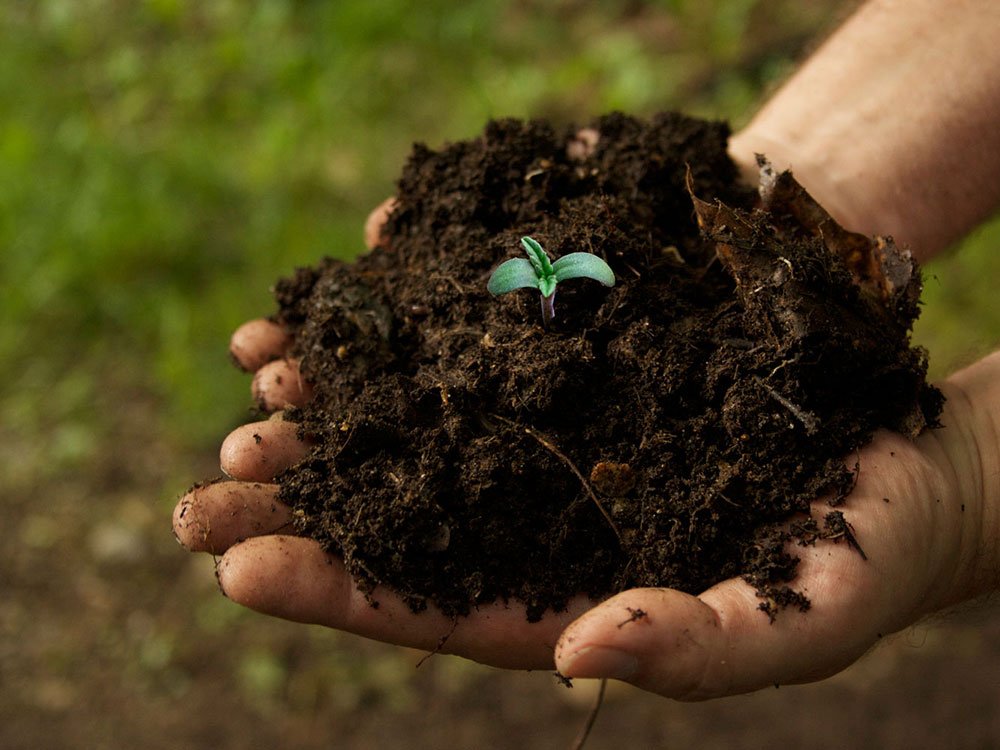
Soil health, our health, planet health
We call our new innovative method “Transformative” gardening which was inspired by raised beds. These are the basic principles:
A paradigm shift in organic kitchen gardening.
Priority is to nurture microbes (which will nurture the plants)
No till, no dig, no pull rule
Biodiversity is essential
Manage your pests in harmony with managing your soil
The focus of our method is the expansion of diverse microbe populations in the soil by repeatedly adding microbe-dense compost, worm castings and fish emulsion. The microbe expansion continues every year and every planting. There are tens of thousands of species of soil micro-organisms that do a vast number of nature's tasks.
The foundation of soil health is robust microbial populations that feed on abundant organic matter. The soil microbes transport nutrients to plant roots in a form that the plants can use more efficiently. The healthy soil microbes and the plant roots have a mutual aid pact. They need each other and they feed each other.
This innovative approach requires a major paradigm shift about gardening. Release your many inherited assumptions. Neatly planted monoculture (with large number of the same plants) will be replaced with a multitude of different veggies, flowers and herbs in a bed. Learn to approach pest control as nuanced management rather than aggressive eradication of pests and diseases. Learn to stop pulling out plants by their roots which damages fungal networks and bacterial colonies. Learn that plant nutrition doesn’t come from a bag of fertilizer bought at a garden store. Rather, nutrition results from interactions between roots and soil microbes.
The 2 top innovations of "transformative gardening” are replacing conventional soil with the highest quality microbe-dense and nutrient-dense compost that contains manure. Plus, we use microbe-rich worm castings (worm poop, also called vermicompost) as the primary soil amendment.
Veggie specifics are secondary. We are not preoccupied with how to grow cucumbers or parsnips or which commercial fertilizer to buy. Although the specifics for growing each veggie or herb is important, it is secondary to the task. We simply understand that a healthy soil containing 100% compost is the path to successful gardens. Let’s enable the trillions of microflora (microbes and fungi) in our gardens to feed our plants for us.
Our compost is your SOIL
Raised beds allowed us to create a completely new kind of soil. We don’t fill raised beds and growing containers with “topsoil,” conventional soil or potting mix purchased at garden centers even with an organic label. Many of the bagged commercial soils contain lumber industry waste (a cheap organic ingredient) and not enough nutrients and microbes. Instead we fill our beds with 100% compost engineered with a natural thermophilic (heat) process. Our compost is certified for food growing by Organic Materials Research Institute (OMRI) and by the U.S. Composting Council (USCC).
Our compost is made from 100% organic matter (plant waste and animal manure) that is transformed by heat-loving soil microbes in huge piles. The heat kills weeds, viable seeds and pathogens. It also breaks down compounds in the organic matter into nutrient-rich compounds available to all plants, microbes and fungi. In addition, the process creates clumps of particles called “aggregates” from very tiny soil particles that store the nutrients. The clumps allow spaces for roots to grow through the soil. The clumps also allow water and oxygen to enter into and stay longer in the soil.
Our compost is used at the beginning of every season to enrich the soil. It is also used to plant seedlings and seeds throughout the season. Spread at least a 2-inch layer of compost over the whole bed or container in the fall and spring.
If your raised beds and containers already contain conventional soil give your plants a healthy boost by replacing several inches of soil at the top of the bed with our compost. Also you can add several cups of our compost to your seedling holes by makes the hole much larger than the seedlings root. Also, fill seed furrows with our compost by making the furrow wider than usual.
All composts are not equal. Making compost with heat is beyond the capability of most home gardeners due to lack of space, equipment, experience, animal manure, labor and the huge volume typically needed to make the heat process work best.
There are multiple methods for making compost and many ingredients that can be used. Dump your organic waste like yard clippings and food scraps into a pile and let it sit for a year or two and it will result in a kind of compost. It’s an acceptable method for recycling organic waste but a weak method for preparation of a robust compost for food growing. It lacks the best microbial & nutritional features, and it inevitably harbors weed seeds and potential plant pathogens because it decomposes at a low temperature.
Commercially bagged soil and compost are not your friend. Bagged soil and compost that you purchase from garden centers AND the soil in your yard lack the optimal amount of microflora and nutrients for a healthy, vibrant successful food garden. Many commercially bagged composts don’t have the best ingredients for healthy plants. So to be safe use Deep Roots compost or a similar compost (made with heat and containing manure) that you locate in your area. The U.S. Composting Council (USCC) has a database of the vendors they certify that lists the compost ingredients AND if thermophilic heat process was used. Make sure the vendors don't use wood chips or tree waste.
Many commercially bagged soils and composts contain tree ingredients (mainly lumber waste products). Manufacturers of commercially bagged soil love to use lumber waste because it is cheap and it can be considered “organic” because it is from trees. Bagged soil can be filled with partially decomposed wood chips and bark that is incredibly cheap. The lumber companies practically give it away. Unfortunately, decomposing wood chips consume nitrogen from the compost, a counter-productive function since your plants need large amounts of nitrogen to grow.
Worm castings is an essential soil amendment
We super-charge our compost in our raised beds even further with organic worm castings (vermicompost) containing huge populations of microbes and fungi. We use the worm castings as our main soil amendment to plant seedlings and seeds throughout the season. Add worm castings to the holes for seedling holes and the seed furrows. Use 1/2 cup of worm castings for small plants and one cup for large plants like tomatoes and squash.
Try to use use a larger amount of our compost and worm castings when planting seedlings and seeds in a bed filled with conventional soil. The more worm castings you add, the better your plants will grow.
Fish emulsion soil amendment
Fish emulsion is a organic liquid soil amendment made from fish waste that you can buy from garden centers or online. Fish emulsion provides microbes with a rapid short-term boost of dense organic matter. Although marketed as a fertilizer our focus is to support the microbes. It can also be a plant food, but we use it to activate the microbial population.
Dilute it according to the directions for a watering can or use a special spray bottle attached to your hose. Worm castings contain ingredients that support microbe health and also contain nitrogen which plants need. Apply weekly or twice a month.
No Till, No Dig, No Pull Rule
The “No Till, No Dig, No Pull” rule avoids interference in the lives of fungi and bacteria. When a crop cycle finishes, cut the plant’s stem at the soil level and leave the roots undisturbed. Roots supply critically important food for soil microbes. Pulling a plant out by its roots interferes with bacterial colonies and fungal networks. The exception to this rule is harvesting root crops like beets, onions, carrots, garlic, radishes, etc.
Allow nature to improve the soil. Avoid any digging except for a seedling hole or a furrow for planting seeds. Although traditional farmers and gardeners turn over their soil every season, modern soil scientists now know that digging destroys the soil structures that build up over time which greatly harms the health of the soil. Think of soil structures as invisible towns and cities that the microflora live in. You can add organic materials to the top of the soil and gently mix them in the top inch without disrupting the entire bed. But at least you can add organic material when necessary.
Our online store
See our online store for details about prices, ordering and delivery of raised beds, compost, worm castings and more. Please contact our customer support team before placing an order online so we can assist you with the details and answer your gardening questions.
QUESTIONS? COMMENTS?
Contact us at (708) 655-5299 or support[at]deep-roots-project.org.
Stay in touch
Please leave your cell phone number when you sign up for our eNewsletter, if you want text message announcements now and then.
Donations help us provide organic kitchen gardening education to individuals, organizations, and entire communities. Thank you in advance for contributing to our community and for sharing our website and blog with friends and family.

Organic VS Conventional Food
Why is it worth making the investment to purchase more expensive organic products? Organic food is becoming increasingly popular as people are becoming more aware of the benefits of consuming food that is grown without harmful chemicals and pesticides. While there are still debates about whether organic food is truly more nutritious than conventional food, there is ample evidence to support the claim that organic food is healthier and safer for human consumption.
Why is it worth making the investment to purchase more expensive organic products? Organic food is becoming increasingly popular as people are becoming more aware of the benefits of consuming food that is grown without harmful chemicals and pesticides. While there are still debates about whether organic food is truly more nutritious than conventional food, there is ample evidence to support the claim that organic food is healthier and safer for human consumption.
Why is organic food healthier than conventional
There are many benefits to choosing organic. There are many reasons why organic food is considered healthier than conventional food. From the avoidance of harmful chemicals and pesticides, to the promotion of sustainable and environmentally friendly farming practices, to the possible higher nutritional quality of the food itself, there are many benefits to choosing organic.
Harmful chemicals and pesticides. First and foremost, organic food is grown without the use of harmful chemicals and pesticides. These chemicals are commonly used in conventional farming to protect crops from pests and disease, but they can be harmful to humans when consumed. In fact, many of the chemicals used in conventional farming have been linked to a range of health problems, including cancer, neurological damage, and endocrine disruption. By avoiding these chemicals, organic food provides a safer and healthier option for people who are concerned about the potential health risks associated with consuming food that has been treated with pesticides.
Sustainable and environmentally friendly. Another reason why organic food is considered healthier than conventional food is that it is often grown using more sustainable and environmentally friendly practices. For example, organic farmers may use crop rotation, composting, and natural predators to control pests, instead of relying on harmful chemicals. This not only helps to reduce the amount of harmful chemicals that are released into the environment, but it also supports the health of the soil and the ecosystems that rely on it.
Ongoing scientific debate about organic food nutrition levels. Organic food is also considered by some experts to be more nutritious than conventional food. This is because organic crops are grown in soil that is rich in nutrients and free from harmful chemicals, which can negatively impact the quality of the food. Studies have shown that organic crops tend to have higher levels of vitamins and minerals than conventional crops, which is why many people believe that organic food is a healthier option. For example, one study found that organic tomatoes had higher levels of vitamin C and other nutrients than conventional tomatoes. We don’t yet have several definitive studies to resolve this question.
Organic food is also often fresher than conventional food, as it is grown on a smaller scale and is not treated with chemicals to extend its shelf life. This means that organic food is more likely to retain its natural flavor and nutrients, and is less likely to contain harmful preservatives. By choosing organic food, people can be sure that they are consuming food that is as fresh and nutritious as possible.
Organic food is also safer for the environment. Conventional farming practices can lead to soil degradation and erosion, as well as contribute to water pollution and air pollution. In contrast, organic farming practices help to protect the environment by reducing the amount of harmful chemicals released into the environment, preserving soil health, and supporting local ecosystems. By choosing organic food, people can play a role in supporting sustainable and environmentally friendly farming practices, which is essential for the health of the planet.
Buying organic supports a healthier and safer food system. While organic food may be more expensive than conventional food, the investment is worth it for those who are concerned about their health and the health of the planet. By making the choice to purchase organic food, people can support a healthier and safer food system, and help to ensure that the food they consume is of the highest quality and safety.
“Grow Your Own Food” blog posts
See the full list of our Grow Your Own Food blog posts. Each post is assigned ”tags” which are under the post title. If you need a quick answer to a gardening question give us a call or send a text to our customer support team – support[at]deep-roots-project.org AND 708-655-5299.
Deep Roots online store
See our online store for details about prices, ordering and delivery of raised beds, planter boxes, microbe-rich compost, worm castings, leaf mulch and more. We don’t sell traditional soil, since we use 100% compost as our growing medium. Our online store has 2 sections – (1) raised beds and planter boxes and (2) compost, worm castings, fertilizer.
Please contact our customer support team before placing an order online so we can assist you with the details and answer your gardening questions. You can pay by credit card in the store or by check.
(708) 655-5299 and support[at]deep-roots-project.org
Sign up for our newsletter
Please leave your cell phone number when you sign up for our eNewsletter, if you want text message announcements now and then.
Donations help us provide organic kitchen gardening education to individuals, organizations, and entire communities. Thank you in advance for contributing to our community and for sharing our website and blog with friends and family.

Succession Planting Basics
Succession planting is a popular farming and gardening method which gets maximum harvest from limited space by immediately filling empty spaces with new seedlings or seeds. Succession planting Increases your harvest and is part of our biodiversity planting method.
Succession planting is a popular farming and gardening method which gets maximum harvest from limited space by immediately filling empty spaces with new seedlings or seeds. Succession planting Increases your harvest and is part of our biodiversity planting method.

Biodiversity and succession planting
First learn how to use the biodiversity planting method – not placing the same veggie types next to each other. Then add succession planting to your garden plan to increase your harvest by filling empty spaces as you harvest individual new plants throughout the season.
You need a planting calendar for your climate zone which will tell you when to plant and harvest. We provide a Planting Calendar Guide for the great Chicago area (Climate Zones 5b and 6a) since most Deep Roots gardeners are in the Chicago area. Ask your local state university agricultural extension for a planting calendar.
Fill empty spaces with a fresh seedling or plant seeds if there is enough space and enough sun.
Don’t fill an empty space with the same crop that was previously in that spot. This is important for some crops more than others.
Some crops can be planted more than once because they tolerate a range of temperatures and they need a shorter number of days to maturity. (See below a list of crops with short days to maturity.)
Replace crops that slow down production in mid-season by planting fresh young seedlings or new seeds.
Most root crops can only grow from seeds like beets, carrots, radishes. Other crops are healthier if grown from seeds like peas and beans. Carrots are harder to grow since their seeds are very tiny.
You can grow your own new seedlings from seeds in small pots outdoors or directly in your raised bed.
If you prefer growing from purchased seedlings check with your garden center when they will re-stock seedlings. Buy them young and healthy immediately after delivered to the store.
Buy seedlings before you have empty spots to make sure you have them when you need them.
Immediately re-pot purchased seedlings into 5” to 8” diameter pots filled with a mixture of our compost and worm castings so their roots can expand while you wait for empty spots. Keep the soil constantly moist.
Try NOT to buy seedlings that are unhealthy – “root bound” (tangled roots around the root ball), yellowing leaves and tiny fruit.

Benefits of fast maturing crops
The veggies with the “shortest days to maturity” have the least problems with pests and diseases. If you like planting veggies from seed outdoors or are a beginner and want to grow from seed for the first time, we encourage you to try our favorite veggie varieties that come to maturity quickly and can be harvested sooner. (See our list below)
Fast maturing crops have advantages for beginner gardeners. You don't have to wait long for results. If you wait the normal days to maturity for these crops your garden is more vulnerable to pests and diseases. It also frees up space to replant more diverse crops. We have a chance to start more new plants which we call “accelerating” the garden.
Below are examples of 9 fast growing veggies to grow from seed that you can order from seed catalogs online. High Mowing sells all organic seeds and Baker Creek includes unusual mostly organic selections. Order early since seed stock sometimes sell out. If you can’t find the varieties in our list, pick other ones with similar days to maturity. We normally don’t recommend garden supply companies, but in this case there are far too many seed companies, and we want you to start out with the highest quality.
Veggies with short days to maturity
Find seeds that have similar days to maturity as the ones listed below. Learn more about planting seeds in our 2 blog posts.
Beet: (40 days to maturity)
Fast maturing, scaled-down, but fully formed and full-flavored beet. Regular seed, not pelletedBroccolini: (33 days to maturity)
Fast maturing spring harvest mini-broccoli called “broccolini”Carrot: (34 days to maturity)
Baby carrot at early harvest can be left in the soil for another month for full-size harvest.Swiss Chard: (55 days to maturity)
Rainbow chard selection, develops all-season, just keep picking.Green Onion: (50 days to maturity)
A short season scallion.Lettuce: (54 days to maturity)
Butterhead lettuce type.Pea: (51 days to maturity)
A fast maturing sweet spring pea.Radish: (21 days to maturity)
Fastest of all crops.Spinach: (30 days to maturity)
Reliable early crop, full-leaved spinach.
Plant in FALL for spring germination
Plant garlic cloves and spinach seeds in fall for early spring germination. Plant garlic cloves in mid-October for a July harvest. Although the easiest time to plant spinach seeds is mid-November, you can also plant them in March when the ground thaws. Get larger spinach plants and bigger harvests when planting seeds in fall. The spinach seedlings don’t mind a little snow in March. Harvest spinach before warm weather starts which will cause it to go to seed (called ”bolting”) which makes the leaves bitter. Spinach is fully harvested on May 21 or earlier.
April planting and harvesting tips
If you plant spinach seeds in fall you will have lots of spinach seedlings by April. Gradually harvest the spinach by picking big leaves first. With the first sign of ”bolting” cut down all the spinach plants carefully on a dry sunny day. Do NOT pull up by the roots. Cut the stem at the soil level. Shake off any soil. Replant the area with your next crops – NOT more spinach.
Sensitivity to cold varies between spring crops. Crops that CAN NOT take a “hard freeze” (below 32 degrees for many hours) are lettuce, broccolini, radishes, carrots, Swiss chard, kale, leeks, green onions and more. If you plant around April 25 be prepared for a possible hard-freeze below 32 degrees by having “floating row cover” on hand. It’s a light-weight white fabric that boosts the temperature and lets in sun and water. Buy it online.
Plant new lettuce seeds every 2 weeks so your new crop is ready when the old crop has been harvested. Plant beets on April 21 all at once and begin harvesting in 60 days. Plant peas all at once on April 15 to harvest in early June. Check the planting calendar about planting from seeds or seedlings.
May planting and harvesting tips
Frost free dates in Zones 5b and 6a is May 10-15. We used to have a fixed date. But the destabilizing effect of climate change has changed all that. Add to the bed between May 1 and 15 at least 2 or 3 kinds of flowers and 2 or 3 kinds of herbs. They can be placed anywhere in the bed and must include marigolds and basil, but can also include dill, cilantro, parsley, arugula, ginger, nasturtiums, cosmos, sunflowers and calendula flowers. Check the planting calendar for other crops that can also be added in early May.
Put some large perennial herbs like sage and oregano in a large container cloth pot near the bed, but not in the bed. Sage and oregano are perennial in our climate zone 5b and 6a and will return next season if protected over winter with straw. Plant another perennial mint, near the raised bed in a large pot by itself since it is “invasive” (tends to take over all empty spaces).
In the raised beds start planting seeds and seedlings of the rest of the early May crops – tomatoes, peppers, eggplants, cabbage, lettuce, corn, bush beans and pole beans. Near the south side of the bed plant seeds of small crops in clusters (carrots, beets, radishes). Check the planting calendar for which crops must be planted from seed.
Water the soil before you place your tiny seeds. Gently water your seeds with a sprayer nozzle on your hose or watering can. Keep your seeds and seedlings constantly moist. Drip irrigation makes growing from seeds much much easier.
Plant the tiny carrot seeds about an inch apart. Try the “board trick” with tiny carrot seeds. Save watering time by placing a small board over a cluster of carrot seeds to stop evaporation. Carrots don’t need sun to germinate. Check them daily for germination. Remove the board when the first seed germinates. Pick some baby carrots to make room for some of the carrots to grow longer.
Plant in separate large containers or in separate raised beds the larger crops – cucumbers, summer squash, zucchini, winter squash (butternut, acorn, etc), and potatoes. They will take over and need lots of space. Grow them vertically on a trellis whenever possible. The separate pots or raised beds for very large plants need herbs and flowers on edges in spots where they get the most sun.
There is lots of sun in your entire bed until mid-June when the plants are still small and the garden lacks shade. Take advantage of the shade cast by large mature plants later in the season for crops like lettuce that don’t need lots of light and suffer from high heat (like lettuce).
June planting and begin harvesting
By mid-June you can begin to harvest the April plantings. Start your harvest of cherry tomatoes in late June and continue to harvest all season long.
Which plants to harvest in June and which to keep growing? For example, If you are still eating lots of kale and chard, keep these plants in the bed. If you are eating less of a crop, harvest it now and store it for later. As you harvest, fill empty spaces with warm weather salad greens (salad amaranth and New Zealand spinach), culinary herbs, bush beans, radishes, and carrots.
When harvesting leafy greens (kale, swiss chard, spinach, lettuce, collards) harvest the largest outer leaves first to make more room for neighboring plants. Plants NOT in the same biodiversity family group could touch each other since diseases and pests prefer one plant family.
The first exception to the rule of NOT planting the same plant variety as neighbors is spinach in the fall or spring. It’s the only popular leafy green veggie that will grow in cold temperatures.
The second exception to the neighbors rule applies to clusters of small crops like carrots, beets, radishes, green onions, broccolini. Plant seeds in small clusters (8” diameter area) and rows (8” long) of small plants along the southern edge of your bed and containers to maximize sunlight and avoid shadows cast by larger plants.
Plant large plants like zucchini, squash and cucumbers in large cloth or wood containers (about 2 feet in diameter and 15” tall) because these big plants take up too much raised bed space. But, if you have a huge garden with lots of raised beds, dedicate some of the beds to large plants with lots of flowers and herbs around the edges or in small pots around the exterior of the bed. But remember that the small pots will need more attention and frequent watering. Try to set up irrigation for them. Although it’s okay if the huge leaves of vining squash plants overflow onto a deck or lawn it is better to grow vertically in limited space. My butternut squash sprawling on my lawn didn’t hurt the lawn at all. Spray with a OMRI certified fungicide to prevent and manage powdery mildew.
Vining plants like peas, pole beans, and tomatoes need a way to grow vertically. Plant them at the north side of a raised bed or container so they don’t shade the other plants. Learn more about vertical growing in an upcoming post.
August planting for a fall harvest
Some plants that were planted earlier in the season that you have already harvested can actually be planted again - in a “second-round”. Sometimes, if planted in the hotter time of year, harvested in the cool temperatures, the plants are sweeter and more tender.
Timing is key. Start early to think about what comes next after their beautiful summer veggies have been eaten. They should think about what to plant now and when to plant. This is determined by how long it will take before the veggie matures. Getting the timing down to finish one harvest and start growing for another takes time and experience. It is an art. You don’t want to plant a veggie that takes a long time to mature, and risk it failing due to frost.
Weather is unpredictable, especially now during climate change. Any plant that we suggest for August planting could be overwhelmed by an unexpected heat wave. Best to choose veggies that love both hot and cool weather. Plant more than one of each crop – so, if one doesn’t make it – you’ve got some others!
“Grow Your Own Food” blog posts
See the full list of our Grow Your Own Food blog posts. Each post is assigned ”tags” which are under the post title. If you need a quick answer to a gardening question give us a call or send a text to our customer support team – support[at]deep-roots-project.org AND 708-655-5299.
Deep Roots online store
See our online store for details about prices, ordering and delivery of raised beds, planter boxes, microbe-rich compost, worm castings, leaf mulch and more. We don’t sell traditional soil, since we use 100% compost as our growing medium. Our online store has 2 sections – (1) raised beds and planter boxes and (2) compost, worm castings, fertilizer.
Please contact our customer support team before placing an order online so we can assist you with the details and answer your gardening questions. You can pay by credit card in the store or by check.
(708) 655-5299 and support[at]deep-roots-project.org
Sign up for our newsletter
Please leave your cell phone number when you sign up for our eNewsletter, if you want text message announcements now and then.
Donations help us provide organic kitchen gardening education to individuals, organizations, and entire communities. Thank you in advance for contributing to our community and for sharing our website and blog with friends and family.

How to Sterilize Garden Tools
Garden tools play a crucial role in maintaining a healthy and beautiful garden. They help us till the soil, plant seeds, trim the plants and keep the garden in pristine condition. However, if not properly maintained and sterilized, garden tools can spread diseases and pests from one plant to another, leading to significant damage and loss. In this blog post, we'll discuss the best ways to sterilize garden tools to keep your garden free of any harmful organisms.
Garden tools play a crucial role in maintaining a healthy and beautiful garden. They help us till the soil, plant seeds, trim the plants and keep the garden in pristine condition. However, if not properly maintained and sterilized, garden tools can spread diseases and pests from one plant to another, leading to significant damage and loss. Tips for sterilizing small pre-used pots for transplanting seedlings is also highly recommended.
Sterilizing garden tools is an essential step in maintaining a healthy and beautiful garden. There are several methods that can be used to sterilize garden tools, including the use of a bleach solution, boiling water, UV-C light, heat treatment, and hydrogen peroxide. Choose the method that works best for you and your tools, and make sure to sterilize your tools regularly to keep your garden free of any harmful organisms.
Several sterilization methods available
Cleaning the tools before sterilization: Before sterilizing your garden tools, it is essential to clean them thoroughly. This will ensure that any dirt, debris, or residual plant material that may be present on the tool is removed. You can clean your tools with water, soap, and a scrub brush, or by using a solution of water and bleach (1:10 dilution).
Disinfection with a bleach solution: One of the most effective ways to sterilize garden tools is by using a bleach solution. Wear rubber gloves and don’t get the bleach on your skin. Eye protection is also beneficial.You can make a solution of 1 part bleach to 9 parts water and soak the tools in it for at least 10 minutes. This will kill any bacteria, viruses, or fungi that may be present on the tools. Make sure to rinse the tools thoroughly with water after soaking in the bleach solution to remove any residual bleach.
Sterilization with boiling water: Boiling water is another effective way to sterilize garden tools. Fill a large pot with water and bring it to a rolling boil. Carefully place the tools in the pot and let them boil for 10 to 15 minutes. This will kill any harmful organisms that may be present on the tools. After boiling, let the tools cool down before handling them.
Use of UV-C light: UV-C light is a powerful sterilization method that can be used to sterilize garden tools. UV-C light has been proven to kill 99.9% of bacteria, viruses, and fungi in a matter of minutes. You can purchase UV-C sterilization lamps, which are designed specifically for sterilizing garden tools. Simply place the tools in the lamp and let the UV-C light do its work.
Heat treatment: Heat treatment is another effective method of sterilizing garden tools. You can sterilize your tools by baking them in the oven at a temperature of 160°F for 30 minutes. This method is particularly useful for metal tools as it will kill any harmful organisms that may be present on the surface of the tool.
Use of hydrogen peroxide: Hydrogen peroxide is a powerful sterilizing agent that can be used to sterilize garden tools. Mix a solution of 3% hydrogen peroxide with water in a spray bottle, and spray it on your tools. Let the solution sit for 10 to 15 minutes and then rinse the tools with water. This method is particularly useful for sterilizing wooden handles of garden tools.
Proper tool storage
It’s worth noting that while sterilizing your tools is important, it's also crucial to properly store them to extend their life and prevent rust, wear, and other damage. Keep your tools clean, dry, and oiled to prevent rust, and store them in a cool, dry place when not in use. With proper care and maintenance, your garden tools will last for many years and help you create a beautiful and thriving garden.
“Grow Your Own Food” blog posts
See the full list of our Grow Your Own Food blog posts. Each post is assigned ”tags” which are under the post title. If you need a quick answer to a gardening question give us a call or send a text to our customer support team – support[at]deep-roots-project.org AND 708-655-5299.
Deep Roots online store
See our online store for details about prices, ordering and delivery of raised beds, planter boxes, microbe-rich compost, worm castings, leaf mulch and more. We don’t sell traditional soil, since we use 100% compost as our growing medium. Our online store has 2 sections – (1) raised beds and planter boxes and (2) compost, worm castings, fertilizer.
Please contact our customer support team before placing an order online so we can assist you with the details and answer your gardening questions. You can pay by credit card in the store or by check.
(708) 655-5299 and support[at]deep-roots-project.org
Sign up for our newsletter
Please leave your cell phone number when you sign up for our eNewsletter, if you want text message announcements now and then.
Donations help us provide organic kitchen gardening education to individuals, organizations, and entire communities. Thank you in advance for contributing to our community and for sharing our website and blog with friends and family.

Garden Partnering & Bartering
Food garden partnering and bartering is a great way for people to come together, build community, save money on groceries, and share the fruits of their labor. Whether you are working with family members, neighbors, schools, churches, or community gardens, there are many ways to get involved and start sharing your produce, skills and time. Here are some of the ways that food garden partnering and bartering works.
Food garden partnering and bartering is a great way for people to come together, build community, save money on groceries, and share the fruits of their labor. Whether you are working with family members, neighbors, schools, churches, or community gardens, there are many ways to get involved and start sharing your produce, skills and time. Here are some of the ways that food garden partnering and bartering works.
Family Members: One of the simplest ways to participate in food garden partnering and bartering is by working with family members. If you have a backyard garden, you can share your produce with your family members, and they can do the same with you. This can be especially helpful for families who are trying to save money on groceries.
Involve apartment and condo dwellers who don’t have land to grow a garden.
Neighbors: Neighbors can also work together to share the bounty of their gardens. If you live in a community where many residents have a garden, you can organize a weekly or monthly gathering where everyone brings their produce to share with each other. This can help to build a sense of community and foster friendships between neighbors. Plus, set up an online website and email list to share harvest, knowledge and labor.
Schools: Many schools have started to incorporate food gardens into their curriculum, and this can be a great way to get kids involved in food garden partnering and bartering. Students can work together to grow fruits and vegetables, and then they can share their harvest with other students, teachers, and staff members.
Churches and temples: Churches, temples and other religious groups can also be a great place to organize food garden partnering and bartering. If your church has a garden, you can organize a weekly or monthly event where members can bring their produce to share with each other. This can help to build a sense of community within the church, and it can also provide fresh produce to those in need. Or bring crops to share at regular weekly gatherings.
Community Gardens: Community gardens are perfect for gardeners who live in apartments, condos and have no yards. Community gardens are a great way for people to come together and share their love of gardening. If you participate in a community garden, you can work with other gardeners to share your produce and learn from each other. Many community gardens also organize events where members can bring their produce to share with each other.
Connecting apartment dwellers & food gardeners
Cultivating connections between apartment dwellers and food gardeners. In urban environments, space can be a limiting factor when it comes to growing a food garden. Many apartment and condo dwellers may not have access to land for cultivating their own gardens. However, community residents with gardens often have extra food to share or could use a helping hand in maintaining their green spaces. By connecting these two groups, a mutually beneficial relationship can be established, fostering both community-building and sustainable urban agriculture.
Community Garden Initiatives: Establishing or joining a community garden is an excellent way for apartment and condo dwellers to get involved in gardening. These gardens are communal spaces where members can cultivate individual or shared plots. They provide an opportunity for people without access to land to grow their own food, while also allowing experienced gardeners to share their knowledge and resources.
Garden Share Programs: Garden share programs can connect apartment dwellers with gardeners who have available land. These programs work by matching individuals who want to grow food with those who have extra space in their gardens. The two parties can then collaborate on the cultivation of the plot, sharing both the workload and the produce.
Tool and Resource Sharing: Creating a shared resource center can benefit both apartment dwellers and community gardeners. By pooling tools, seeds, and other gardening supplies, individuals can reduce their expenses and make gardening more accessible to those without their own resources.
Skill-Sharing Workshops and Events: Organizing workshops and events focused on gardening skills, such as composting, plant propagation, and organic pest control, can help build connections between apartment dwellers and community gardeners. These events can serve as opportunities to share our Transformational Gardening method, biodiversity planting. and the importance of nurturing the ecosystem below and above the ground.
“Grow Your Own Food” blog posts
See the full list of our Grow Your Own Food blog posts. Each post is assigned ”tags” which are under the post title. If you need a quick answer to a gardening question give us a call or send a text to our customer support team – support[at]deep-roots-project.org AND 708-655-5299.
Deep Roots online store
See our online store for details about prices, ordering and delivery of raised beds, planter boxes, microbe-rich compost, worm castings, leaf mulch and more. We don’t sell traditional soil, since we use 100% compost as our growing medium. Our online store has 2 sections – (1) raised beds and planter boxes and (2) compost, worm castings, fertilizer.
Please contact our customer support team before placing an order online so we can assist you with the details and answer your gardening questions. You can pay by credit card in the store or by check.
(708) 655-5299 and support[at]deep-roots-project.org
Sign up for our newsletter
Please leave your cell phone number when you sign up for our eNewsletter, if you want text message announcements now and then.
Donations help us provide organic kitchen gardening education to individuals, organizations, and entire communities. Thank you in advance for contributing to our community and for sharing our website and blog with friends and family.