
Summer and Fall Planting Guide
Welcome to your Summer + Fall planting guide for the Deep Roots method—built in the same spirit as our Spring step-by-step. Think of this as your two-season roadmap: surviving the heat, staying ahead of pests, and then pivoting smoothly into a wildly productive fall harvest. Whether you're an experienced grower or just finding your rhythm, these pages will help you work smarter, not harder.
What Makes the Deep Roots Method Work
Before we get into the calendar, it helps to understand the handful of practices that drive everything else. These aren't complicated tasks—but doing them consistently is what separates a garden that barely survives summer from one that thrives into November.
Feed the Soil (Without Overdoing It)
Healthy soil is the engine behind healthy plants, and summer is when that engine gets tested. By mid-summer, some plants can start to look “tired and pale” even when they are growing in rich compost with plenty of nutrients available. In Deep Roots beds, this usually does NOT mean the plant needs more fertilizer. Our plants are grown in nutrient- and microbe-rich compost and are given worm castings when seeds and seedlings are first planted, so they generally have what they need to grow well. A pale or worn-out look in summer is more often a sign of stress from the season itself: not enough water during hot days, intense heat, cool nights, pests, a crowded or unfriendly companion plant nearby, soluble salts building up, or even ripe fruit left on the plant too long. These stresses can make a plant slow down, fade, or look exhausted, even though the compost is still feeding it. Learn more about how to Diagnose Unhealthy Food Plants.
Whenever you're transplanting summer crops or starting fall seedlings, work in some worm castings (vermicompost) around the root zone. They deliver a gentle, fast-acting nutrient boost that seedlings love, without the risk of burning tender roots the way synthetic fertilizers can. Add a cup of worm castings for a large plant like a cucumber or a tomato. And add about a half cup for smaller plants. View our blog posts Understanding Compost and Mulch and Worm Castings Fertilizer & Microorganisms
Mulch Like Your Garden Depends on It (Because It Does)
Mulching might be the single highest-return task in a summer garden. Once you have sown seeds or transplanted seedlings into your garden, you should mulch right away to help you keep the soil moist while those plants establish. Mulch is a barrier that reduces evaporation of moisture off the soil. Deep Roots gardeners use a one inch layer of our leaf mulch early in the season, and we plant densely so that plant leaves will shade the soil by mid-season, reducing the need to use more mulch. Alternatively, you can grow you own Miscanthus grass and use it as an organic straw mulch. You may wish to purchase organic straw mulch, but make sure never to use hay or non-organic straw as they may contain seeds, pesticides or herbicides.
Mulch whenever there is bare, exposed soil in the surface of your vegetable garden. Fall gardens still dry out faster than you'd expect, so don't skip mulching when the weather cools. It helps stabilize soil temperature, which matters a lot for the cool-season crops that love a steady, moderate root zone. View our blog post Moisture & Mulch
Biodiversity Is Your Best Pest Defense
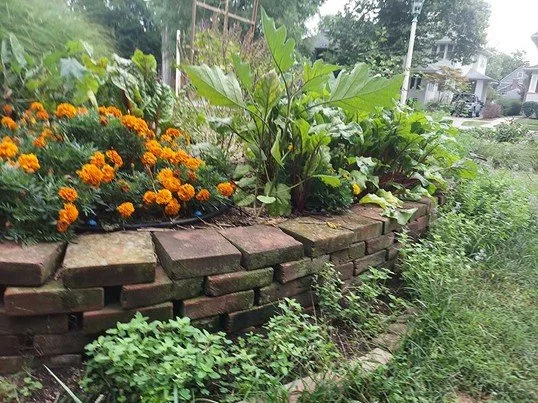
Planting a wide variety of species in each bed—rather than single-crop rows—creates a living ecosystem that supports beneficial insects, birds, pollinators, and the invisible world of soil organisms. Plant marigolds in and around your beds to attract beneficial insects. All of that biological activity helps your garden handle summer stress and fight off pest pressure far better than any spray can. When you build true biodiversity into your beds, you also reduce the need for classic crop rotation, which is mainly a strategy for mono-culture-style growing. Learn about which companion plants protect your crops from pests. View our blog post Bio-diverse Community Landscape.
Plant in Waves to Keep Harvesting All Season
Succession planting is one of the most satisfying strategies in summer and fall gardening. Instead of sowing everything at once and ending up with a glut followed by a gap, stagger your plantings every two to three weeks. Quick crops like beans, lettuce, radishes, and cilantro are perfect for this approach. Your garden stays full, your harvests stay manageable, and you're far less likely to be drowning in zucchini while your next round of greens is still just a seedling. View our blog post Succession Planting Basics.
Grow Up, Not Just Out
Trellises and vertical supports are worth their weight in gold in a summer garden. Vining crops like cucumbers, pole beans, and winter squash take up far less ground space when grown vertically, and they're easier to harvest and less prone to disease because air can circulate around the leaves. If you're short on space—or even if you're not—training plants upward is almost always the smarter move. View our blog post Grow Vertically on a Trellis
Summer Planting (June–August)
Summer gardening is all about warmth, moisture, and momentum. This is the season for the crops that love the heat: beans, cucumbers, squash, melons, and the full range of summer herbs. It's also the time when your habits around watering and feeding matter most.
What to Plant in June to August
The warm-season stars of a summer garden are beans (both bush and pole varieties), cucumbers, summer squash, winter squash, and melons. These crops want heat, good drainage, and consistent moisture—give them that and they'll produce prolifically. On the herb side, basil, dill, and cilantro are summer staples, but keep in mind that cilantro bolts quickly in heat, so succession sow it every two to three weeks to keep a steady supply coming.
For greens in summer, forget spinach and head lettuce—they'll bolt before you can harvest them. Instead, lean into the heat-tolerant alternatives: Swiss chard, young kale leaves, Red Malabar spinach, amaranth, and purslane all thrive when the temperature climbs. They're not always the most glamorous greens, but they're productive and nutritious when most other greens have given up. View our blog post Leafy Greens Planting Calendar
Watering and Feeding Tips
In summer, the goal is deep, infrequent watering rather than frequent shallow watering. When you water deeply—enough to reach six to eight inches into the soil—you train roots to grow down toward moisture rather than staying near the surface. Surface-rooted plants suffer far more in heat waves. Water in the morning whenever possible to reduce evaporation and discourage the fungal diseases that thrive when foliage stays wet overnight. View our blog post Moisture & Mulch.
During heat waves, a light shade cloth over tender greens can be the difference between keeping them and losing them. It's a simple tool that buys you a lot of flexibility. View our blog post Installing Hoops on Raised Beds.
Fall Planting (August–November)
Fall is where Deep Roots methods really shine. Cooler air temperatures mean fewer pest problems, less evaporation, and conditions that bring out the best in leafy greens and root vegetables. Many growers find fall their most productive and most enjoyable season once they get the timing right.
What to Plant August to November
The fall garden belongs to cold-tolerant leafy greens: lettuce, spinach, arugula, mustard greens, kale, and collards all thrive as temperatures drop. Root vegetables—carrots, beets, radishes, turnips, and rutabaga—love fall's cool soil and often develop sweeter flavor after the first light frosts. On the herb side, parsley and cilantro (which struggled all summer) come back strong in cool weather.
Fall is also the time to plant garlic—not for this season, but for next summer's harvest. Plant garlic cloves in mid-October in Zone 6a so they overwinter in the ground, developing into full heads ready to harvest the following July. It's one of the most satisfying long-game crops in the garden. View our blog post Planting Garlic in Fall.
Timing Is Everything in Fall
The most common mistake in fall gardening is starting too late. You want your fall crops in the ground while the soil is still warm enough to support germination and early growth—not after the first cold snap when the soil has already chilled. A good rule of thumb: count back from your first expected frost date and give yourself at least six to eight weeks of growing time for most crops.
Once your crops are established and frost threatens, white row cover fabric becomes your most valuable tool. Even a single layer of lightweight fabric can protect plants through multiple hard frosts, extending your harvest by weeks. Pair it with wire hoops to keep the fabric off the foliage and it's a system you'll use every fall. View our blog post Installing Hoops on Raised Beds
Hardening Off Your Transplants
Whether you're moving summer seedlings outside in June or transitioning fall starts from a protected space in August, hardening off is a step you can't skip. Seedlings grown indoors or in a greenhouse are not ready for the wind, temperature swings, and intensity of direct sunlight in your garden. Moving them straight outside is a shock that sets them back significantly—and sometimes kills them outright.
Start the hardening off process one to two weeks before you plan to transplant. Begin by bringing seedlings outside for just an hour or two in a sheltered spot, then gradually increase their outdoor time each day. Avoid exposing them to very windy conditions early on—wind desiccates tender leaves quickly. After a week or so of this gradual transition, they'll be ready to move into the garden and hit the ground running. View our blog post Hardening Off Seedlings
Summer & Fall Planting Calendar (Zone 5–6)
The dates below are calibrated for Zone 5–6. Adjust slightly based on your local climate and first frost date. Use this as a living checklist—something you'll refer to throughout the season rather than read once and file away.
JUNE
Direct seed: Beans (bush and pole), cucumbers, squash, another round of basil and dill.
Transplant: Tomatoes, peppers, and eggplant if not already in the ground. Basil and other summer herbs.
JULY
Direct seed: Another round of beans for a second wave of harvest. Start carrots and beets for fall. Sow basil again—it's worth it.
Transplant: Begin fall brassicas from transplants if you grow them. Kale and collards are the easiest to establish. Important note: Swede Midge fly has recently spread throughout the Midwest and attacks only brassicas. We strongly recommend avoiding brassicas with large heads—cabbage, broccoli, and cauliflower are especially vulnerable. If you grow kale and collards, harvest leaves before they get too large to limit exposure. View our blog post Swede Midge Fly Management
AUGUST
Direct seed (fall begins): Lettuce, arugula, and radishes—repeat every 10 to 14 days. Spinach from late August into September. Turnips and beets, with early August often being the sweet spot for best results.
Transplant: Fall lettuce starts, kale, and chard.
SEPTEMBER
Direct seed: Spinach, lettuce, arugula, and radishes. Cilantro and parsley thrive again in cool weather.
Protect: Have row cover ready to deploy on nights that threaten frost. It's easier to put it on before you need it than to react the morning after a frost.
OCTOBER to NOVEMBER
Harvest hardy greens well into frost season—with row cover, many crops will keep producing far longer than you'd expect. Plant garlic in mid-to-late fall for next summer's harvest. Top-dress beds with about two inches of compost to recharge them for the following growing season. View our blog post Putting Your Bed to Bed for the Winter
Quick Companion Planting Ideas
Companion planting is an easy way to get more out of your space while supporting the natural relationships between plants. Cucumbers planted near dill attract the beneficial insects that keep pest populations in check. Lettuce thrives when tucked under taller plants that cast light shade during the hottest part of summer days. And the classic pairing of carrots with onions or leeks is one of the oldest tricks in the garden: their different scents confuse the pests that target each crop. But carrots prefer low nutrient soil, while onions an leeks need some compost with nutrients.View our blog post Companion Planting Guide.
Summer & Fall Pest Management
The best pest management strategy starts well before any pest shows up. Healthy soil grows resilient plants, and resilient plants resist pest pressure on their own. Biodiversity in your beds supports the predatory insects—ground beetles, lacewings, parasitic wasps—that keep pest populations naturally in check. When you combine rich soil, diverse plantings, and regular observation, you rarely need to reach for any kind of intervention.
That said, staying ahead of problems means checking your plants often—at least a few times a week during the height of summer. Catching issues early, when they're still small, makes a huge difference. When a crop is particularly vulnerable (think young brassica seedlings or ripening melons), hoops with netting provide reliable physical protection without chemicals. Careful placement of bug netting over brassicas can help protect against the swede midge fly. When you do need to treat, choose gentle, targeted organic tools that address the specific problem without disrupting the rest of the ecosystem you've worked to build. View our blog post Environmental Pest Management (EPM)
See Identifying Pests and Diseases for more information.
Your Two-Season Game Plan
Summer and fall can feel like a lot to manage, but they really come down to a handful of consistent habits. If you focus on just four things, let them be these:
Feed the soil. A light touch in summer, a more generous recharge in fall. The microbes do the rest.
Mulch for moisture. Lay it early, keep it on all season, and weed pressure drops dramatically.
Plant in waves. Succession sowing keeps your garden productive and your harvests manageable from June through November.
Use white row cover on hoops. It's the simplest tool for extending your fall season—sometimes by a month or more. Or use shade cloth to protect heat sensitive plants.
Do those four things well, and the rest of the season tends to take care of itself.
Happy Growing!