
Companion Planting Guide
Companion planting is one of the simplest ways to create a healthier, more productive garden. By growing certain crops together, gardeners can naturally improve plant health, reduce pest problems, make better use of limited space, and even increase harvests. Whether you are planting in raised beds, rows, or containers, a little planning can go a long way.
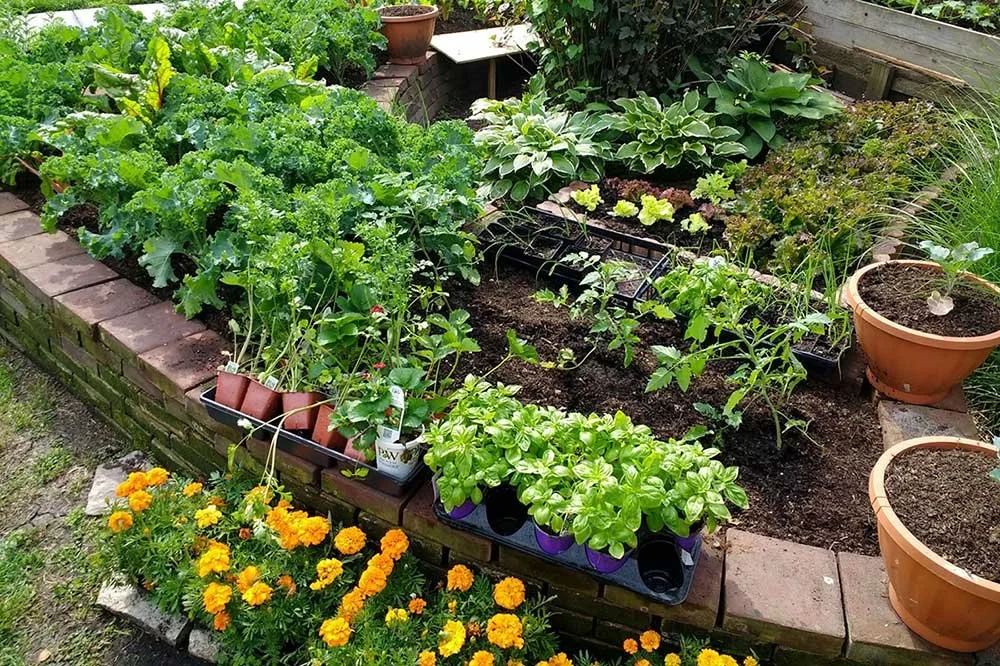
Smart Pairings for Spring Garden
Early spring is the perfect time to put companion planting into practice. Cool-season vegetables and herbs often grow well side by side, and thoughtful pairings can help you get the most from every square foot of soil. If you want steady harvests throughout the season, sow fast-growing crops every two to three weeks. This succession planting method keeps fresh produce coming while making sure your garden beds stay productive.
Another key to success is space efficiency. Use vertical supports such as trellises for peas and other climbing crops, and tuck smaller or quicker-growing plants between slower-maturing vegetables. This layered approach helps you harvest more from the same area while keeping the garden full and lively.
Why Companion Planting Works
Companion planting is based on the idea that plants can support one another in different ways. Some crops repel harmful insects, while others attract pollinators and beneficial predators. Some pairings make better use of light, water, and soil space. Others simply grow well together because they mature at different speeds and do not compete heavily for nutrients. Plua, get higher yields over time.
Crop combinations in your spring garden.
Carrots and Onions or Leeks Carrots and onions are one of the most well-known companion planting pairs. Onions and leeks help repel carrot rust flies, a common pest that can damage carrot roots. In return, carrots do not compete too aggressively with alliums, making them a practical match in the same bed. This pairing is especially useful for gardeners looking for a natural way to protect carrots without relying on sprays.
Peas and Spinach Peas and spinach make a great early-season team. As the weather begins to warm, peas can offer light shade that helps spinach stay cooler a little longer. Since spinach tends to bolt in rising temperatures, this extra protection can extend your harvest. Peas also grow upward when trained on a trellis, leaving more room below for leafy greens.
Beets and Lettuce Beets take time to size up, leaving open spaces between plants early in the season. Lettuce is an ideal companion because it grows quickly and fills those gaps efficiently. While the beets are still developing, you can harvest lettuce from the same bed. This is a smart way to maximize garden space and avoid leaving bare soil exposed.
Radishes and Carrots Radishes are often planted with carrots because they sprout much faster. As radishes grow, they help loosen the soil, making it easier for slower-germinating carrots to push through. Radishes also act as a marker crop, showing you where your carrot rows are before the carrots become visible. By the time carrots need more space, the radishes are often ready to harvest.
Lettuce and Cilantro Lettuce and cilantro grow well together in cool spring weather, but their benefits go beyond timing. Cilantro can help deter aphids, which are a frequent nuisance on tender leafy greens. This pairing works especially well in small kitchen gardens where gardeners want both beauty and function in one planting space.
Parsley and Carrots Parsley and carrots belong to the same family, but they can still be useful companions when grown thoughtfully. Parsley helps attract beneficial insects such as hoverflies, whose larvae feed on soft-bodied pests like aphids. Adding more insect-friendly herbs to the garden supports a healthier growing environment overall.
Peas and Mint Peas and mint can be a helpful combination because mint may deter aphids. However, mint is an aggressive spreader and should always be planted in containers rather than directly in the garden bed. Kept under control, it can still provide its pest-repelling benefits without taking over nearby crops.
Pairings to Avoid
Just as some plants help one another, others can cause problems when grown too close together. Avoiding poor matches is just as important as choosing good ones.
Carrots and Dill Although carrots and dill are related, dill can stunt carrot growth. Keeping them apart helps carrots develop properly without unnecessary competition or interference.
Peas and Onions Peas generally do not grow well near onions and other alliums. Onions can inhibit pea growth, so it is best to plant them in separate areas of the garden.
Beets and Pole Beans Beets and pole beans are not the best companions because they can compete for nutrients. When plants are too demanding in the same space, neither may perform at its best.
Fennel and Most Vegetables Fennel is known for being a difficult garden neighbor. It releases chemicals that can interfere with the growth of many other vegetables. Because of this, fennel is usually best planted on its own, away from the main garden beds.
Best results from companion planting
Think of your garden as a system rather than a collection of individual crops. Combine plant pairings with a few practical strategies:
Succession sowing is one of the easiest ways to keep beds productive. Fast-growing crops like lettuce, spinach, radishes, and cilantro can be sown every two to three weeks for a continuous harvest.
Vertical growing also makes a major difference. Trellising peas saves ground space and opens room for lower-growing companions.
Interplanting is another valuable technique. Place smaller or quick-maturing crops between vegetables that take longer to develop, such as beets or carrots. This helps reduce wasted space and keeps the garden working harder for you.
Finally, observe your garden closely. Companion planting is part science and part experience. What works especially well in one climate or soil type may need slight adjustments in another.
Final Thoughts
Companion planting is a practical, natural way to build a more resilient spring garden. With the right combinations, you can discourage pests, support beneficial insects, improve space usage, and enjoy better harvests throughout the season. Start with a few proven pairings, avoid known problem combinations, and keep planting in succession for fresh crops over many weeks.
A well-planned garden does not just grow more food. It grows smarter.