
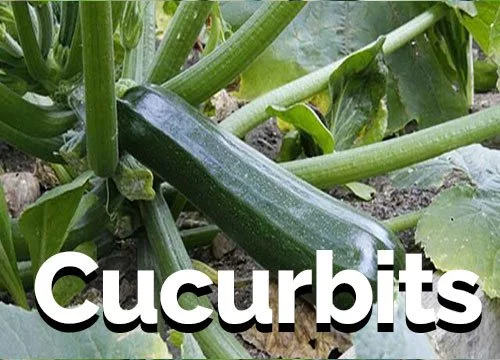
Cucurbits Planting Calendar
Planting Calendar for the Brassica family.
Planting & Setup
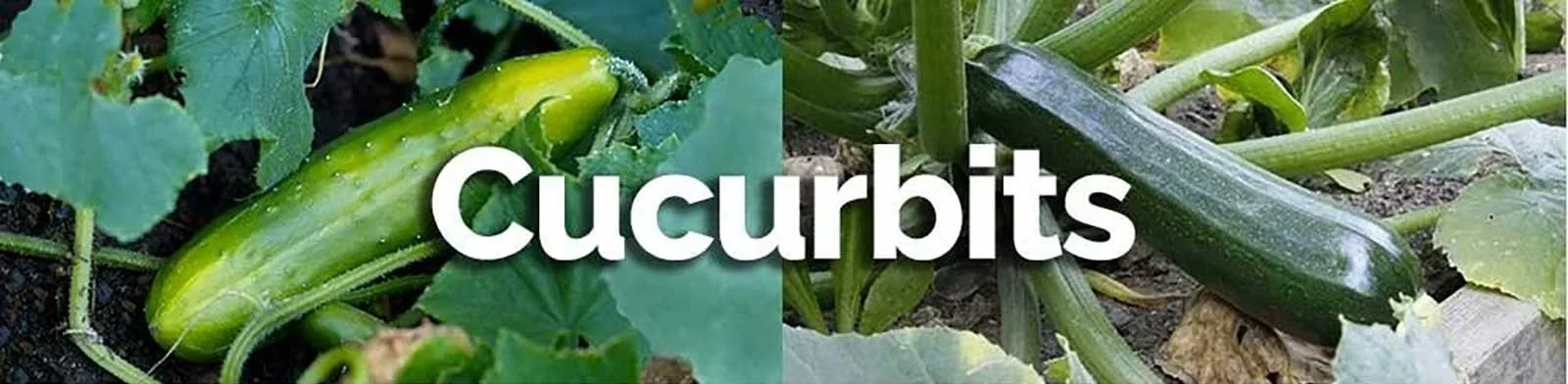
Cucurbits are vigorous, fast-growing plants that thrive in warm soil, full sun and love heat. This family includes cucumbers, squash, zucchini, melons, and pumpkins, all of which require space, strong trellis support, and nutrient-rich soil. Cucurbits benefit from regular harvesting, and preventative care for powdery mildew. With the right setup, they are among the most productive crops in the garden. These plants are sensitive to cold and should only be planted after soil temperatures rise in late spring. Cucurbits belong in compost-rich beds where they have the nutrients and space they need to spread and produce heavily.
HOW TO PLANT guide for the column below:
Direct = Directly sow your seeds in your outdoor soil at the correct depth
Transplant = Plant seedlings ("transplants") that were grown indoors
Either = Direct sow seeds or plant seedlings
| Crop Name | How To Plant | Spring Planting | Fall Planting | Germinate Indoors |
|---|---|---|---|---|
| Cucumber | Either | 5/10–6/15 | None | Optional |
| Cantaloupe | Either | 5/15–6/15 | None | Optional |
| Summer Squash | Either | 5/10–6/20 | 8/1-8/15 | Optional |
| Zucchini | Either | 5/10–6/20 | 8/1-8/15 | Optional |
| Winter Squash | Either | 5/15–6/15 | None | Optional |
| Watermelon | Either | 5/15–6/15 | None | Optional |
Growing Conditions
| Crop Name | Sunlight | Temperature Tolerances | Ideal Soil Temperature | Seed Depth | Days to Harvest |
|---|---|---|---|---|---|
| Cucumber | Full sun | 50°F–95°F | 65–85°F | 0.5–1 in. | 50–70 |
| Cantaloupe | Full sun | 50°F–95°F | 70–90°F | 1 in. | 80–100 |
| Summer Squash | Full sun | 50°F–95°F | 65–85°F | 1 in. | 45–60 |
| Zucchini | Full sun | 50°F–95°F | 65–85°F | 1 in. | 45–60 |
| Winter Squash | Full sun | 50°F–95°F | 70–90°F | 1 in. | 80–110 |
| Watermelon | Full sun | 55°F–95°F | 70–95°F | 1 in. | 80–100 |
Tromboncino squash is not attacked by the squash vine borer moth. This makes it one of the most reliable summer squash options. It grows vigorously on a trellis and produces continuously through summer and fall.
Seeds or seedlings? Plant either seeds or seedlings for all cultivars. Beginners should plant seedlings.
Pests and diseases: Spray all Curcubits weekly with organic biofungicide for powdery mildew prevention and management.
Cucumber: Pick hidden cucumbers before they get over-ripe and turn yellow which can signal the plant to stop or slow fruit production.
Zucchini: Although they are huge plants with enormous leaves and fruit, they don’t need a trellis. Planting in large containers or in a separate bed is best. Many gardeners prefer to pick zucchinis at 12” long or less.
A Trellis is needed for cucumbers, summer squash, and winter squash. View this video with a wide range of trellis designs you can buy or make yourself. Cucurbits need a very sturdy and strong trellis. Squash and melons can also grow on the ground or on a lawn without hurting the grass.
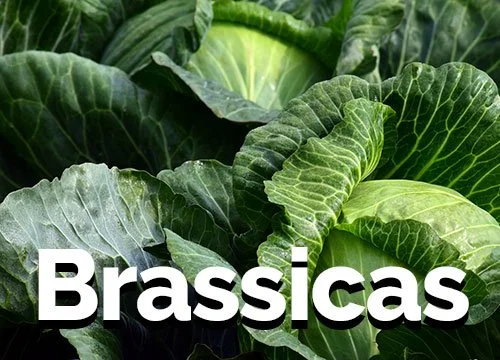
Brassicas Planting Calendar
Planting Calendar for the Brassica family.
Planting & Setup
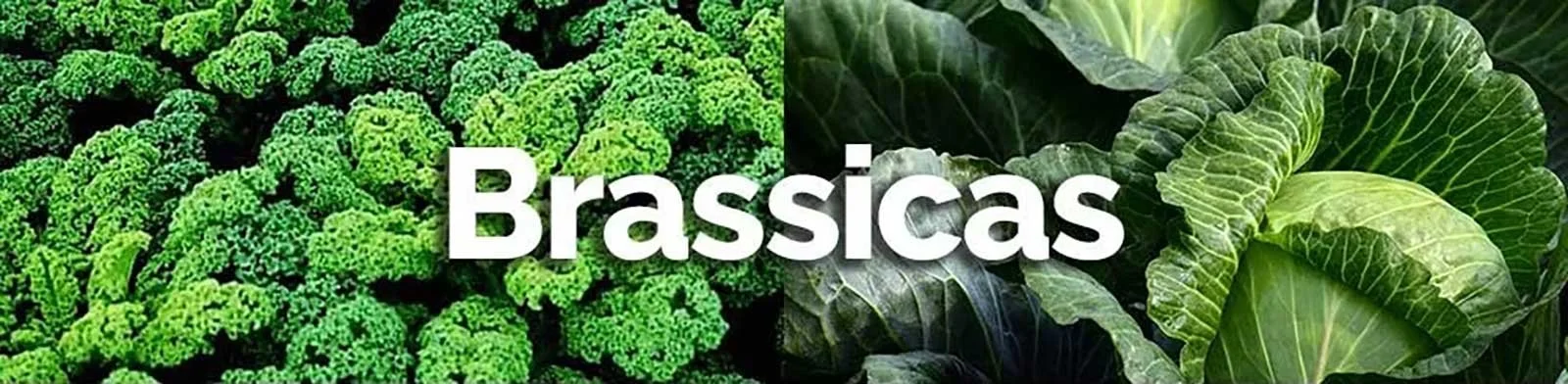
Cruciferous Vegetables and Cabbage Family are other names for the Brassica family. This group includes broccoli, cabbage, kale, cauliflower, collards, arugula and bok choy — some of the most nutrient-dense foods and most rewarding crops you can grow. Brassicas are cool-season vegetables that thrive in spring and fall when temperatures are moderate. In the Deep Roots system, brassicas grow best in microbe and compost-rich soil with consistent moisture and early planting. As always, brassicas benefit from early planting, consistent moisture, and microbe & compost-rich soil. See our Growing Brassicas blog post.
HOW TO PLANT guide for the column below:
Direct = Directly sow your seeds in your outdoor soil at the correct depth
Transplant = Plant seedlings ("transplants") that were grown indoors
Either = Direct sow seeds or plant seedlings
| Crop Name | How To Plant | Spring Planting | Fall Planting | Germinate Indoors |
|---|---|---|---|---|
| Arugula | Direct | 3/20–5/15 | 8/15–9/15 | No |
| Bok Choy | Either | 3/25–5/10 | 8/10–9/10 | Optional |
| Broccoli | Transplant | 4/10–5/20 | 7/25–8/15 | Yes (4–6 wks before) |
| Broccolini | Transplant | 4/10–5/20 | 7/25–8/15 | Yes (4–6 wks before) |
| Cabbage | Transplant | 4/10–5/20 | 7/25–8/15 | Yes (4–6 wks before) |
| Napa Cabbage | Either | 4/1–5/10 | 8/1–9/1 | Optional |
| Collards | Either | 4/1–5/30 | 8/1–9/1 | Optional |
| Kale | Either | 3/25–5/30 | 8/1–9/15 | Optional |
| Mustard Greens | Direct | 3/20–5/15 | 8/10–9/20 | No |
Growing Conditions
| Crop Name | Sunlight | Temperature Tolerances | Planting Soil Temperature | Seed Depth | Days to Harvest |
|---|---|---|---|---|---|
| Arugula | Full–part | 25°F–80°F | 40–75°F | 0.25 in. | 20–30 |
| Bok Choy | Full–part | 28°F–75°F | 50–75°F | 0.25 in. | 30–45 |
| Broccoli | Full sun | 26°F–75°F | 55–75°F | 0.25 in. | 60–80 |
| Broccolini | Full sun | 28°F–80°F | 55–80°F | 0.5 in. | 35–50 |
| Cabbage | Full sun | 25°F–80°F | 50–80°F | 0.5 in. | 60–80 |
| Napa Cabbage | Full–part | 28°F–75°F | 50–75°F | 0.25 in. | 50–70 |
| Collards | Full–part | 20°F–85°F | 50–85°F | 0.5 in. | 50–70 |
| Kale | Full–part | 15°F–80°F | 45–80°F | 0.5 in. | 50–70 |
| Mustard Greens | Full–part | 25°F–85°F | 50–85°F | 0.25 in. | 30–50 |
Swede Midge fly: This recent invasive pest damages growing tips and makes it very hard to produce large-headed crops like broccoli, cauliflower, and cabbage. Kale and collards are least damaged by swede midge since we harvest leaves, not a whole head. The fly larvae survive the winter in the soil. See our Swede Midge blog post.
Kale and collards, which are much more resilient and continue producing even when the plant is stressed. These crops also provide a longer harvest window and are easier for beginners.
Spray weekly with BT (Bacillus Thuringensis) to repel all the other common insects. We can eat green leafy veggies with a few (caterpillar (cabbage worm) holes as long as we wash them first. A few holes doesn't hurt humans or the plant. But may not be okay with neighbors and friends who share your harvest. We don’t expect 100% perfect veggies.
Fungal Diseases: “Club Root” prevents flower heads forming and attacks broccoli and broccolini roots and stunts plant growth. It is very tricky to prevent and manage since the disease stays in the soil for many years. Another example is “stem rot” which can be stopped with a biofungicide/bactericide spray.
Some favorites: Broccolini is a fast growing, delicious crop that can replace broccoli. Brussel Sprouts need meticulous crop protection over a long season. Choose short season, compact cabbages for success. Kale is a superfood you can plant early and mid-season for abundant crops.
Fall planting often produces the best quality crops with fewer pests and improved flavor. These plants prefer steady growth in cooler weather and often produce better flavor and texture in fall than in spring.
Short-season greens like baby kale, mustard greens, or bok choy are the easiest brassicas to grow. Sown in early spring or late summer, they will start producing baby greens in just a few weeks and maybe harvested at full size for cooking.

Know Your Climate Zone
It’s important to understand how average temperatures shift through the seasons and the preferred temperature range for specific crops in your climate zone.This post is mostly about the Chicago area (climate zones 5b and 6a). Use a planting calendar for your climate zone.
This post offers general tips for beginning gardeners in many climate zones. Chicago and suburbs are now in climate zone 6a. If you are in the Chicago area go to our Planting Calendar Climate Zone 6a for links to detailed planting calendars for popular vegetable families. The Chicago area and many regions in the U.S. are in Zone 5b and 6a. Our Planting Calendar for Zone 6a includes tips about planting and harvesting dates and more. Learn how to protect specific crops from temperature extremes and unpredictable weather in our blog post Veggie Temperature Tolerances. Find YOUR climate zone in the Map of U.S. Climate Zones on the USDA website.

Know what your plants need
Understanding the needs of your plants and how to care for them can help ensure a successful harvest. Know the crops that are cold tolerant for planting in spring and fall. Know the crops that need warmth to thrive and are planted in late spring and mid-August. Know how to protect your seeds and seedlings from unexpected dips and spikes in temperature.
How early you can plant in spring depends on the hardiness (cold tolerance) of the vegetables and the climate in your area. Our 9 new Planting Calendar Charts for veggie groups for Zone 6a gives the planting and harvesting dates for popular veggies as well as temperature tolerance and much more.
Follow a planting calendar chart for YOUR “climate zone” to know planting and harvest dates for each crop. The planting dates are based on the date of the average last 32º freeze in your climate zone. The most reliable planting calendars are from YOUR state university agricultural extension offices. Chicago area gardeners can ask questions to the Deep Roots support team or the Chicago Botanic Garden Plant Information Service. But keep in mind that the Botanic Garden doesn’t follow the Deep Roots innovative edible gardening method.
Climate change has made the safe planting date a moving target. It’s unpredictable. It’s helpful to know the lowest safe temperature for each crop. Many crops can be planted before the last frost date. Some crops are more sensitive to cold than others. Know what is the lowest temperature a crop can tolerate, especially at night. Some crops are very sensitive to temperature and some are less sensitive.
USDA Plant Hardiness Zones
Find your local climate zone: Visit the United States Dept of Agriculture (USDA) interactive Plant Hardiness Zones map on their website to find your local climate zone. It looks like the map at the top of this post. On the USDA’s site click on a spot to zoom in or out. The map is divided into 13 zones, each representing a 10-degree Fahrenheit difference in the average annual minimum temperature. Fast and easy way to find first and last average frost-free dates in your climate zone by entering your zip code. Try this online climate zone search tool on the Morning Chores website.
Know the best crop varieties and pests for your zone. Knowing your zone will help determine which plants are most likely to thrive in your specific geographic area. As a beginning gardener, start by growing the easiest veggies. It's also important to learn local pest management. View Deep Roots blog posts about pests in Zone 6a
Temperature tolerances. It's important to consider the heat and cold tolerances of your plants. Soil temperature is often more important than air temperature. Deep Roots Zone 6a Planting Calendars include best soil temperatures. For example, tomatoes and peppers, thrive in warmer temperatures and may need special attention and care in cooler climates. Other crops, such as kale and collards, can tolerate colder temperatures and may be better suited for cooler zones. See our post about Optimizing Sunlight to learn how to protect crops from extreme temperatures.
Planting calendar tips for beginners
Here are some general tips on how to use your local climate zone calendar effectively. We provide lots more details in our Planting Calendars for Climate Zone 6a.
Understand your climate hardiness zone and your planting calendar before you start planting. Start a small garden and learn more at a comfortable pace.
Determine the first and last average frost-free dates: This information is critical to ensure that you plant at the right time and avoid frost damage to your crops.
Know planting dates for seeds and seedlings (transplants). As a beginner, it's recommended that you buy transplants from your local nursery or garden center. This will help you avoid the challenges of starting seeds indoors or outdoors and also ensures that your plants are healthy and ready to grow. Deep Roots planting calendars include information about direct sowing outdoors, starting seeds indoors and buying seedlings.
Move the transplants (seedlings) you buy to larger pots so you can bring them inside if the temperature goes too low during the day or at night. Watch the temperature fluctuations carefully.
Plant warm-loving vegetables after the magical average frost-free date: Some vegetables, such as tomatoes and peppers, require both warm soil and air temperatures to grow. Wait until two weeks after the average frost-free date to plant these vegetables.
Be prepared for unpredictable weather. Climate change makes planting dates more unpredictable. Make sure to keep an eye on the weather forecast and use techniques like fabric (floating row covers) to protect your plants from unexpected high and low temperatures. while still allowing rain and sun.
Extend your growing season: You can extend your growing season by using season-extending techniques such as floating row covers, hoop houses, and cold frames. In this video learn how to use hoops to protect crops in raised beds from high and low temperatures as well as pests. See our blog post Installing Hoops on Raised Beds.
Check the days to maturity: The planting calendar will include the days to maturity for each vegetable. This information will help you plan your harvest and ensure that you have a continuous supply of fresh produce throughout the season.
High and low temperature tolerance: Some vegetables are more tolerant of high and low temperatures than others. The planting calendar will include this information so that you can choose vegetables that are suitable for your climate.
“Grow Your Own Food” blog posts
See the full list of our Grow Your Own Food blog posts. Each post is assigned ”tags” which are under the post title. If you need a quick answer to a gardening question give us a call or send a text to our customer support team – support[at]deep-roots-project.org AND 708-655-5299.
Deep Roots online store
See our online store for details about prices, ordering and delivery of raised beds, planter boxes, microbe-rich compost, worm castings, leaf mulch and more. We don’t sell traditional soil, since we use 100% compost as our growing medium. Our online store has 2 sections – (1) raised beds and planter boxes and (2) compost, worm castings, fertilizer.
Please contact our customer support team before placing an order online so we can assist you with the details and answer your gardening questions. You can pay by credit card in the store or by check.
(708) 655-5299 and support[at]deep-roots-project.org
Sign up for our newsletter
Please leave your cell phone number when you sign up for our eNewsletter, if you want text message announcements now and then.
Donations help us provide organic kitchen gardening education to individuals, organizations, and entire communities. Thank you in advance for contributing to our community and for sharing our website and blog with friends and family.

Veggie Temperature Tolerances
Many first-time kitchen gardeners think that spring is THE planting season - but there is still a lot of time left to plant throughout the summer.
Understanding the temperature tolerances of the vegetables you grow is crucial for their growth and productivity. By providing the optimal temperature conditions, you can ensure healthy plants and a bountiful harvest. The veggies listed in this post are the same ones listed in our Planting Calendar Climate Zone 5b.
It's important to note that temperature tolerances may vary slightly depending on the variety of the vegetable, as well as other environmental factors such as humidity and soil moisture. When growing vegetables, it's always best to consult the seed packet or a gardening guide to determine the optimal temperature range for the specific variety of vegetable.
Learn how to protect your plants from both excessive heat and cold in our Larger Harvests in the Cool Seasons blog post.
Brassica family temperature tolerances
The swede midge fly (Contarinia nasturtii), an invasive pest from Europe, has begun wreaking havoc on brassica crops in the northern Midwest. Learn how to protect your plants in our blog post about Swede Midge Fly Management. Contact our customer support about buying bug netting. See our bug netting protections setup in our experimental garden.
Broccolini is a hybrid vegetable, a cross between broccoli and Chinese kale. It is known for its mild and slightly sweet taste, tender stems, and delicate florets. Broccolini can tolerate both high and low temperatures, but it grows best in cool weather with temperatures between 50-70°F (10-21°C). If the temperature gets too hot, broccolini can bolt (start to flower prematurely) and become bitter. On the other hand, if the temperature drops below 25°F (-4°C), broccolini can suffer from frost damage.
Brussels sprouts are a type of cabbage that grow in small, compact heads on a tall stem. They have a slightly bitter taste and are often roasted or sautéed. Brussels sprouts are also quite hardy and can tolerate both high and low temperatures. They grow best in cool weather with temperatures between 45-75°F (7-24°C). However, they can withstand temperatures as low as 20°F (-7°C) without suffering significant damage. High temperatures can cause the sprouts to open up and become loose, which can reduce their quality and flavor.
Cabbage is a cruciferous vegetable that comes in a variety of shapes and colors, including green, purple, and white. It has a slightly sweet taste and is often used in salads, coleslaw, and stir-fries. Cabbage is a cool-season crop and grows best in temperatures between 60-65°F (15-18°C). However, it can tolerate temperatures as low as 20°F (-7°C) and as high as 80°F (27°C) for short periods of time. If the temperature gets too hot, cabbage can bolt and become bitter. If the temperature drops below 20°F (-7°C), cabbage can suffer from frost damage.
Cauliflower is a member of the cruciferous family and is closely related to broccoli and cabbage. It has a mild, nutty flavor and is often used in soups, stews, and roasted vegetable dishes. Cauliflower prefers cool weather and grows best in temperatures between 60-68°F (15-20°C). If the temperature gets too high, cauliflower can become tough and bitter. If the temperature drops below 25°F (-4°C), cauliflower can suffer from frost damage.
Collards are a leafy green vegetable that is often used in Southern cooking. They have a slightly bitter taste and are rich in nutrients such as vitamin K and vitamin C. Collards are a cool-season crop and grow best in temperatures between 60-65°F (15-18°C). However, they can tolerate temperatures as low as 20°F (-7°C) and as high as 90°F (32°C) for short periods of time. If the temperature gets too high, collards can bolt and become tough and bitter. If the temperature drops below 20°F (-7°C), collards can suffer from frost damage.
Kale is a leafy green vegetable that is often used in salads, smoothies, and soups. It has a slightly bitter taste and is known for its high nutrient content, including vitamin K, vitamin C, and iron. Kale prefers cool weather and grows best in temperatures between 60-70°F (15-21°C). However, it can tolerate temperatures as low as 20°F (-7°C) and as high as 80°F (27°C) for short periods of time. If the temperature gets too high, kale can become tough and bitter. If the temperature drops below 20°F (-7°C), kale can suffer from frost damage.
Kohlrabi can tolerate a wide range of temperatures, but it grows best in cool weather conditions. It's important to prevent heat stress, by providing adequate irrigation and shade. It can withstand light frosts but not extended periods of cold weather. The ideal temperature range for kohlrabi growth and development is between 60°F to 75°F (15°C to 24°C). Kohlrabi can tolerate high temperatures up to 85°F (29°C), but prolonged exposure to such temperatures can cause bolting, or premature flowering, which negatively affects the quality of the kohlrabi bulb. Cooler temperatures can result in sweeter and crisper kohlrabi bulbs. Prolonged exposure to freezing temperatures can damage or kill the plant, causing the bulb to become soft and spongy.
Cucurbit family temperature tolerances
Cucumbers are heat-sensitive and do best in temperatures between 60-90°F (16-32°C). They can tolerate some heat but will become stressed if temperatures exceed 95°F (35°C). Cucumbers can also be damaged by frost and temperatures below 50°F (10°C).
Cantaloupes prefer warm temperatures and grow best in temperatures between 70-85°F (21-29°C). They can tolerate some heat but may become stressed if temperatures exceed 90°F (32°C). Cantaloupes can also be damaged by frost and temperatures below 50°F (10°C).
Summer squash, such as zucchini and yellow squash, thrive in warm temperatures between 70-95°F (21-35°C). They can tolerate some heat but may become stressed if temperatures exceed 100°F (38°C). Summer squash can also be damaged by frost and temperatures below 50°F (10°C).
Winter squash, such as butternut and acorn squash, can tolerate cooler temperatures than summer squash. They grow best in temperatures between 60-75°F (16-24°C) and can tolerate temperatures as low as 50°F (10°C). Winter squash can be damaged by frost and temperatures below
Zucchini, like other summer squash, prefer warm temperatures between 70-95°F (21-35°C). They can tolerate some heat but may become stressed if temperatures exceed 100°F (38°C). Zucchini can also be damaged by frost and temperatures below 50°F (10°C).
Watermelons are heat-loving plants that do best in temperatures between 70-85°F (21-29°C). They can tolerate some heat but may become stressed if temperatures exceed 90°F (32°C). Watermelons can also be damaged by frost and temperatures below 50°F (10°C).
Fruiting crop temperature tolerances
In general temperatures between 40 and 50º for a night won’t hurt most tomato varieties and peppers. The severe cold damage comes below 40º. It’s best to transplant seedlings at the warmer part of the planting period. A “heat wave” with temperatures above 85ª and 90º F can severely damage tomato plants. Some varieties can stop producing fruit for 2 weeks, and other varieties stop producing fruit for the rest of the growing season.
Cherry tomatoes are warm-season plants and prefer temperatures between 70°F to 80°F (21°C to 27°C). They can tolerate slightly cooler temperatures but don't grow well in temperatures below 50°F (10°C). If temperatures exceed 95°F (35°C), cherry tomato plants may drop their flowers and fruits.
Roma tomatoes are also warm-season plants and prefer temperatures between 70°F to 85°F (21°C to 29°C). They can tolerate slightly cooler temperatures but don't grow well in temperatures below 55°F (13°C). Like cherry tomatoes, Roma tomatoes may drop their flowers and fruits if temperatures exceed 95°F (35°C).
Heirloom tomatoes are also warm-season plants and prefer temperatures between 70°F to 85°F (21°C to 29°C). They can tolerate slightly cooler temperatures but don't grow well in temperatures below 55°F (13°C). If temperatures exceed 95°F (35°C), heirloom tomato plants may drop their flowers and fruits.
Eggplant is a warm-season vegetable that thrives in temperatures between 70°F to 85°F (21°C to 29°C). They prefer warm nights, and the optimal temperature range for eggplant growth is 75°F to 85°F (24°C to 29°C). Eggplants can tolerate slightly higher temperatures, but extended periods of temperatures over 90°F (32°C) can stress the plant and cause damage.
Sweet peppers are also warm-season vegetables and prefer temperatures between 70°F to 85°F (21°C to 29°C). They can tolerate slightly cooler temperatures but prefer warm days and nights. The optimal temperature range for sweet pepper growth is 75°F to 85°F (24°C to 29°C). Temperatures above 90°F (32°C) can cause the plant to stop growing and may lead to flower and fruit drop.
Hot peppers are similar to sweet peppers in their temperature requirements, preferring warm temperatures between 70°F to 85°F (21°C to 29°C). However, some hot pepper varieties, such as habaneros, can tolerate higher temperatures up to 95°F (35°C). Like sweet peppers, hot peppers may stop growing and drop flowers and fruit at temperatures above 90°F (32°C).
Greens temperature tolerances
Amaranth is tolerant of high temperatures and can grow well in warm climates. It can tolerate temperatures up to 95°F (35°C) but prefers a range between 70-85°F (21-29°C). In contrast, amaranth cannot tolerate frost or temperatures below 50°F (10°C).
Swiss chard is a cool-season vegetable that prefers mild temperatures. It can tolerate temperatures down to 15°F (-9°C) but prefers a temperature range of 50-75°F (10-24°C). High temperatures can cause Swiss chard to bolt, or flower and produce seeds prematurely.
Lettuce is a cool-season vegetable that prefers temperatures between 60-65°F (16-18°C). It can tolerate temperatures down to 20°F (-7°C) but will bolt in high temperatures above 75°F (24°C).
Red Malabar Spinach (New Zealand spinach)is a heat-loving plant that can tolerate temperatures up to 95°F (35°C). It prefers temperatures between 70-85°F (21-29°C) and can tolerate light frosts down to 32°F (0°C).
Spinach is a cool-season vegetable that prefers temperatures between 50-65°F (10-18°C). It can tolerate temperatures down to 20°F (-7°C) but will bolt in high temperatures above 75°F (24°C).
Bok choy is a cool-season vegetable that prefers temperatures between 60-65°F (16-18°C). It can tolerate temperatures down to 20°F (-7°C) but will bolt in high temperatures above 75°F (24°C).
Herb temperature tolerances
Basil is a heat-loving herb that can tolerate high temperatures up to 90°F (32°C). However, prolonged exposure to temperatures above 90°F can cause the leaves to wilt and dry out. Basil is sensitive to cold temperatures and can be damaged by frost. It can tolerate temperatures as low as 50°F (10°C), but anything below that can cause damage or death to the plant.
Cilantro prefers cooler temperatures and can start to bolt (go to seed) when temperatures reach above 75°F (24°C). It can tolerate higher temperatures up to 85°F (29°C) with proper care and watering. Cilantro can tolerate some frost, but prolonged exposure to temperatures below 32°F (0°C) can cause damage or death to the plant.
Dill can tolerate temperatures up to 85°F (29°C), but prefers cooler temperatures. High temperatures can cause the plant to bolt and go to seed prematurely. Dill can tolerate light frost and temperatures as low as 25°F (-4°C). However, prolonged exposure to freezing temperatures can cause damage or death to the plant.
Oregano is a heat-loving herb that can tolerate high temperatures up to 100°F (38°C). It prefers temperatures between 70°F to 80°F (21°C to 27°C) for optimal growth. Oregano is fairly cold hardy and can tolerate temperatures as low as 20°F (-7°C) with some protection. Extended exposure to freezing temperatures can cause damage or death to the plant.
Sage is a heat-loving herb that can tolerate high temperatures up to 90°F (32°C). However, it prefers temperatures between 60°F to 70°F (16°C to 21°C) for optimal growth. Sage is fairly cold hardy and can tolerate temperatures as low as 10°F (-12°C) with some protection. However, extended exposure to freezing temperatures can cause damage or death to the plant.
Parsley prefers cooler temperatures and can start to wilt and dry out when temperatures reach above 85°F (29°C). It is best grown in temperatures between 50°F to 70°F (10°C to 21°C). Parsley is somewhat cold hardy and can tolerate light frost and temperatures as low as 20°F (-7°C). However, extended exposure to freezing temperatures can cause damage or death to the plant.
Lavender: English lavender is winter-hardy to Zone 5 and may only need a bit of help in the form of a thin layer of straw. Otherwise, lavender shouldn't need any extra care outdoors. Spanish and French lavenders, on the other hand, are only hardy to Zone 8, and will need to be brought indoors in colder areas.Before the first frost, it is best to bring the potted lavender plants indoors and place them in a dry, unheated room. Cellars, garages, greenhouses or winter gardens are particularly suitable for overwintering.
Legume temperature tolerances
While these legumes can tolerate a range of temperatures, they each have an optimal temperature range for growth and yield. It is important to consider these temperature ranges when planting and caring for legumes in your garden to ensure the best results.
Bush beans can tolerate temperatures ranging from 60°F to 85°F (15°C to 29°C). However, they prefer a temperature range of 70°F to 80°F (21°C to 27°C) for optimal growth. Temperatures below 60°F (15°C) can slow down the growth of bush beans, while temperatures above 85°F (29°C) can cause the flowers to drop, resulting in reduced yield.
Pole beans can tolerate temperatures ranging from 50°F to 86°F (10°C to 30°C). However, they prefer a temperature range of 60°F to 70°F (15°C to 21°C) for optimal growth. Temperatures below 50°F (10°C) can cause poor germination, and temperatures above 86°F (30°C) can cause flowers to drop, resulting in reduced yield.
Fava beans can tolerate temperatures ranging from 40°F to 75°F (4°C to 24°C). They prefer a temperature range of 60°F to 65°F (15°C to 18°C) for optimal growth. Temperatures above 75°F (24°C) can cause the plants to bolt, resulting in reduced yield.
Snap peas can tolerate temperatures ranging from 45°F to 75°F (7°C to 24°C). They prefer a temperature range of 60°F to 70°F (15°C to 21°C) for optimal growth. Temperatures above 75°F (24°C) can cause the plants to become stressed, resulting in reduced yield.
Snow peas can tolerate temperatures ranging from 50°F to 75°F (10°C to 24°C). They prefer a temperature range of 60°F to 65°F (15°C to 18°C) for optimal growth. Temperatures above 75°F (24°C) can cause the pods to become tough and inedible.
Shell peas can tolerate temperatures ranging from 45°F to 75°F (7°C to 24°C). They prefer a temperature range of 60°F to 70°F (15°C to 21°C) for optimal growth. Temperatures above 75°F (24°C) can cause the pods to mature too quickly, resulting in reduced yield.
Root Crop temperature tolerances
These root vegetables have different temperature preferences and tolerances, but they are generally hardy and can withstand a range of temperatures. However, extreme temperatures can cause damage or poor growth, so it's best to plant them in their preferred temperature range and provide protection in case of temperature extremes.
Beets are a hardy root vegetable that can tolerate both high and low temperatures. They can grow in temperatures ranging from 50°F (10°C) to 85°F (29°C). However, they prefer cooler temperatures between 60°F (15°C) and 65°F (18°C). Beets can withstand light frosts but may suffer from frost damage if temperatures drop below 28°F (-2°C) for an extended period.
Carrots are another hardy root vegetable that can tolerate a wide range of temperatures. They prefer cooler temperatures between 60°F (15°C) and 70°F (21°C) but can grow in temperatures ranging from 40°F (4°C) to 80°F (27°C). However, they may suffer from poor growth and deformities in hot temperatures above 80°F (27°C). In cold temperatures, they can tolerate light frosts but may suffer damage if temperatures drop below 20°F (-7°C) for an extended period.
Garlic planting times are unique. Plant the cloves at the optimum time for your climate zone. In zones 0 to 4 plant in late August to September. In zones 5 to 8 plant in mid-October through mid-November. In zones 9 to 10 plant in late November to December or before the ground freezes. Garlic is a cool-season crop that prefers temperatures between 60°F (15°C) and 70°F (21°C). It can tolerate temperatures ranging from 50°F (10°C) to 90°F (32°C) but may suffer from poor growth and bulb development in temperatures above 90°F (32°C). Garlic can also withstand light frosts, but temperatures below 20°F (-7°C) can cause severe damage.
Green onions, also known as scallions, are a cool-season crop that prefers temperatures between 60°F (15°C) and 70°F (21°C). They can tolerate temperatures ranging from 45°F (7°C) to 85°F (29°C) but may suffer from poor growth in temperatures above 85°F (29°C). Green onions can also withstand light frosts, but temperatures below 20°F (-7°C) can cause severe damage.
Parsnips are a cool-season crop that prefers temperatures between 50°F (10°C) and 65°F (18°C). They can tolerate temperatures ranging from 40°F (4°C) to 75°F (24°C) but may suffer from poor growth in temperatures above 75°F (24°C). Parsnips can withstand light frosts but may suffer damage if temperatures drop below 20°F (-7°C) for an extended period.
Radishes are a cool-season crop that prefers temperatures between 50°F (10°C) and 65°F (18°C). They can tolerate temperatures ranging from 40°F (4°C) to 85°F (29°C) but may suffer from poor growth in temperatures above 85°F (29°C). Radishes can withstand light frosts, but temperatures below 20°F (-7°C) can cause severe damage.
“Grow Your Own Food” blog posts
See the full list of our Grow Your Own Food blog posts. Each post is assigned ”tags” which are under the post title. If you need a quick answer to a gardening question give us a call or send a text to our customer support team – support[at]deep-roots-project.org AND 708-655-5299.
Deep Roots online store
See our online store for details about prices, ordering and delivery of raised beds, planter boxes, microbe-rich compost, worm castings, leaf mulch and more. We don’t sell traditional soil, since we use 100% compost as our growing medium. Our online store has 2 sections – (1) raised beds and planter boxes and (2) compost, worm castings, fertilizer.
Please contact our customer support team before placing an order online so we can assist you with the details and answer your gardening questions. You can pay by credit card in the store or by check.
(708) 655-5299 and support[at]deep-roots-project.org
Please leave your cell phone number when you sign up for our eNewsletter, if you want text message announcements now and then.
Donations help us provide organic kitchen gardening education to individuals, organizations, and entire communities. Thank you in advance for contributing to our community and for sharing our website and blog with friends and family.