
Crops to Grow When Food Costs Rise
Grow for the pantry before you grow for novelty – dependable calories, long storage, and crops that make simple meals taste good are what turn a garden into real food security. The Deep Roots method grows more plants in the same space. Our 100% nutrient and microbe-rich compost provides the science-based magic behind bigger harvests with less work.
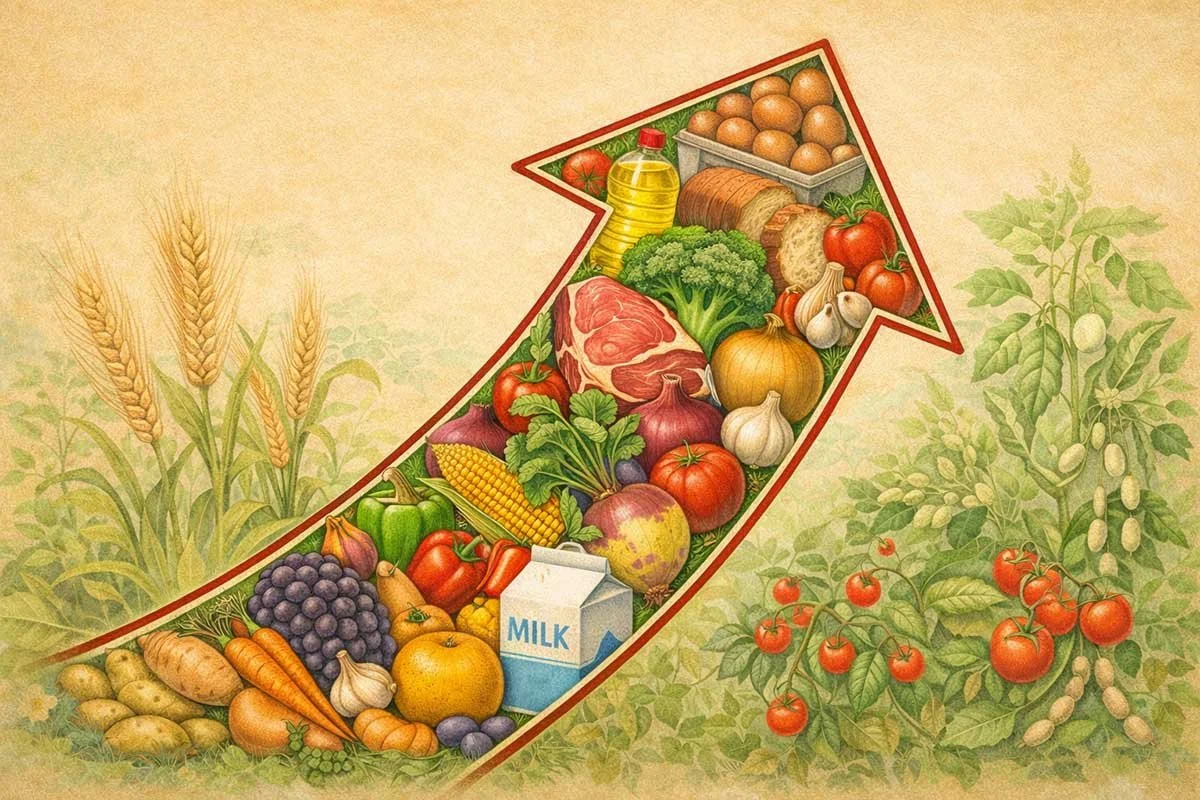
Grow the crops that truly feed you
Grow a food security garden. When every grocery bill feels heavier, a garden has to do more than look beautiful. These are the crops that earn their space by feeding you well, storing gracefully, and making a home plot feel like real security.
A garden changes when food gets expensive. What once felt like a hobby starts to feel like infrastructure. You stop asking which crop is fun to try and start asking which one will actually carry weight through a season, through winter, and through the weeks when store prices climb faster than your paycheck.
The goal is resilience: Plenty of gardens are full of color, flavor, and good intentions, yet they still leave a family buying most of its calories somewhere else. If the goal is resilience, every bed has to justify itself. The best crops are the ones that give you nourishment, keep well after harvest, and turn a modest patch of soil into something close to a pantry.
Healthy satisfying meals: Calories first, then the crops that deepen flavor, support health, and help those staple meals feel satisfying instead of repetitive. Build your garden around that logic, and it begins to feel less like a seasonal project and more like a quiet kind of independence.
Potatoes
If one crop deserves the prime bed, it is the potato. Few plants offer this much return for the space: steady calories, strong yields, and a harvest that can sit in storage for months when cured and kept well. Homegrown potatoes also have range—boiled, roasted, mashed, fried in a skillet, tucked into soups—so they never feel like a one-note staple. A rich keeper like German Butterball or a productive fingerling can easily become the backbone of a practical food garden.
Sweet potatoes
Sweet potatoes belong high on the list for a different reason: they thrive where other crops sulk. In lighter, sandier soils, they can flourish with surprisingly little fuss, and their storage life is exceptional. They bring variety to the table too—baked whole, mashed, turned into soups, or worked into savory dishes—and even the greens can be cooked. When you want a crop that is nutritious, forgiving, and genuinely useful through the off-season, sweet potatoes are hard to beat.
Winter squash
A good winter squash plant does not just give you produce; it gives you volume. Large-fruited varieties can keep a household supplied for months, and they store beautifully without any special equipment beyond a cool, dry place. The flesh is rich, versatile, and welcome in everything from roasted wedges to soups to simple mashes. For gardeners thinking in terms of shelf life and winter meals, squash earns its place quickly.
Dry beans
Beans complete the calorie crop lineup because they do something the others do not: they bring staying power, protein, and long-term storage all in one package. Dry beans can sit on the shelf for years, and a bowl of beans beside potatoes or squash turns a side dish into supper. They are also one of the more satisfying crops to grow for self-reliance because the harvest is compact, durable, and easy to portion out through the year.
Crops that enhance simple foods
Once the heavy lifters are in place, the next layer is just as important. These are the crops that build flavor, support digestion, broaden nutrition, and make humble pantry meals feel deeply satisfying rather than repetitive.
Garlic
Garlic is small-space luxury with survival-garden usefulness. It is expensive to buy, easy to tuck into a corner, and essential in the kitchen. A modest patch yields enough bulbs to season food for months, and the harvest stores beautifully through winter. More than almost any other crop, garlic makes basic food feel abundant.
Onions
Onions do similar work on a larger scale. They anchor soups, stews, roasts, sautés, and sauces, and they store well enough to bridge one season into the next. Their value is not just culinary. A garden full of storage onions means the base of countless inexpensive meals is already waiting in the pantry.
Cabbage
Cabbage may be one of the most underestimated crops in the home garden. Fresh heads keep impressively well, and once fermented into sauerkraut they become even more useful. A forkful of kraut beside beans, potatoes, or roasted meat can brighten an otherwise heavy meal, while adding the kind of sharpness and liveliness that stored foods often lack in winter.
Ginger and turmeric
These are not staple crops in the calorie sense, but they are deeply worthwhile if you can grow them. Fresh ginger and turmeric are expensive in the store, and homegrown rhizomes bring brightness, warmth, and kitchen versatility. They can be grated into tea, folded into broths, or preserved in simple preparations that make everyday meals feel more restorative.
Tomatoes
Tomatoes belong on this list because they stretch a pantry garden further than their fresh summer glory suggests. Sauce tomatoes can be cooked down, dried, powdered, or canned into foundations for months of meals. A jar of tomato sauce can turn beans into chili, eggs into shakshuka, pasta into supper, and scraps from the garden into something complete.
Bell peppers
Bell peppers are one of the easiest ways to add color, sweetness, and nutritional value to practical cooking. They can be eaten fresh, roasted, frozen, fermented, or dried, and they lend themselves to preserving in ways that make them useful long after summer is gone. A surplus can even become homemade paprika—a small but satisfying reminder that preserving flavor is part of preserving food security too.
Fruits
Most fruits are seasonal, perishable, and better suited to preserving than long storage in their fresh form. That does not make them unimportant. It simply means they are often a second-wave investment, added after the garden is already producing the staples that keep a kitchen grounded. Fruit absolutely has a place in a home landscape. Peaches, apples, plums, berries, and grapes bring beauty, joy, and real harvests. But if the question is how to get the most food value from limited space, fruit is usually not where you begin.
Strong food gardens are rarely glamorous
Home economics: It is the one that quietly lowers the grocery bill, fills the cellar shelf, and keeps producing meals long after the season has turned. Grow beauty too, of course. But when prices rise, it is these dependable crops that make a garden feel like home economics in the best and oldest sense of the phrase.