
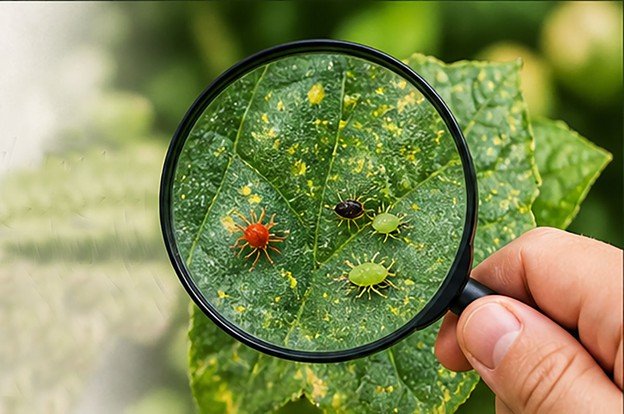
How to Identify Pests & Diseases
A crop-by-crop symptom list is your starting point for addressing unhealthy veggie symptoms. The goal is not for gardeners to self-diagnose their crops, but to describe symptoms clearly when they call or email their local university cooperative extension office.
A crop-by-crop symptom list is your starting point for addressing unhealthy veggie symptoms. The goal is not for our gardeners to self-diagnose their crops, but to describe symptoms clearly when you contact gardening advice services and also when you do research on other websites and watch YouTube videos. Remember that almost all other gardening advisors don’t follow the Deep Roots method of using 100% compost as soil for above ground veggies, and worm castings as natural fertilizer.
Gardening Advice Services
For gardeners in the Chicago area, one of the best first stops for help with garden pests, plant diseases, and plant identification is the Chicago Botanic Garden Plant Information Service. Staffed by horticulture specialists and University of Illinois Extension Master Gardeners, the service offers guidance on insect and disease problems, cultural disorders, plant care, soil, composting, pruning, mulching, plant selection, and more. You can visit the Plant Information Desk at the Garden, call the Plant Information Hotline at (847) 835-0972, or submit questions online, including plant diagnosis or insect identification requests with photos. Hours vary by season; currently, and the hotline as Wednesday–Friday, 10 a.m.–4 p.m., closed holidays.
University agricultural extension programs are another excellent source for free, research-based gardening and horticulture advice. In Cook County, the University of Illinois Extension provides local support through programs such as Master Gardeners, urban agriculture education, youth development, nutrition education, and gardening resources. Gardeners can email Cook County Master Gardeners at Chicago-MG@illinois.edu and include photos when possible. ; phone 773-800-2557; email uie-cook@illinois.edu; hours Monday–Friday, 9 a.m.–3 p.m.
When contacting the extension include:
crop name,
variety if known,
when symptoms started,
whether old or new leaves are affected,
whether the plant wilts and recovers in the evening,
watering pattern,
photos of the whole plant and close-up leaves,
whether pests are visible on leaf undersides.
Common Mid-summer Symptoms by Crop
Tomatoes
Tomato problems vary widely by symptom, including leaf spots, wilting, mites, herbicide injury, and disease.
Lower leaves yellow first: could be normal aging, early blight, Septoria leaf spot, Fusarium wilt, water stress, or root stress.
Small gray or brown spots with yellowing on lower leaves: often Septoria leaf spot or early blight.
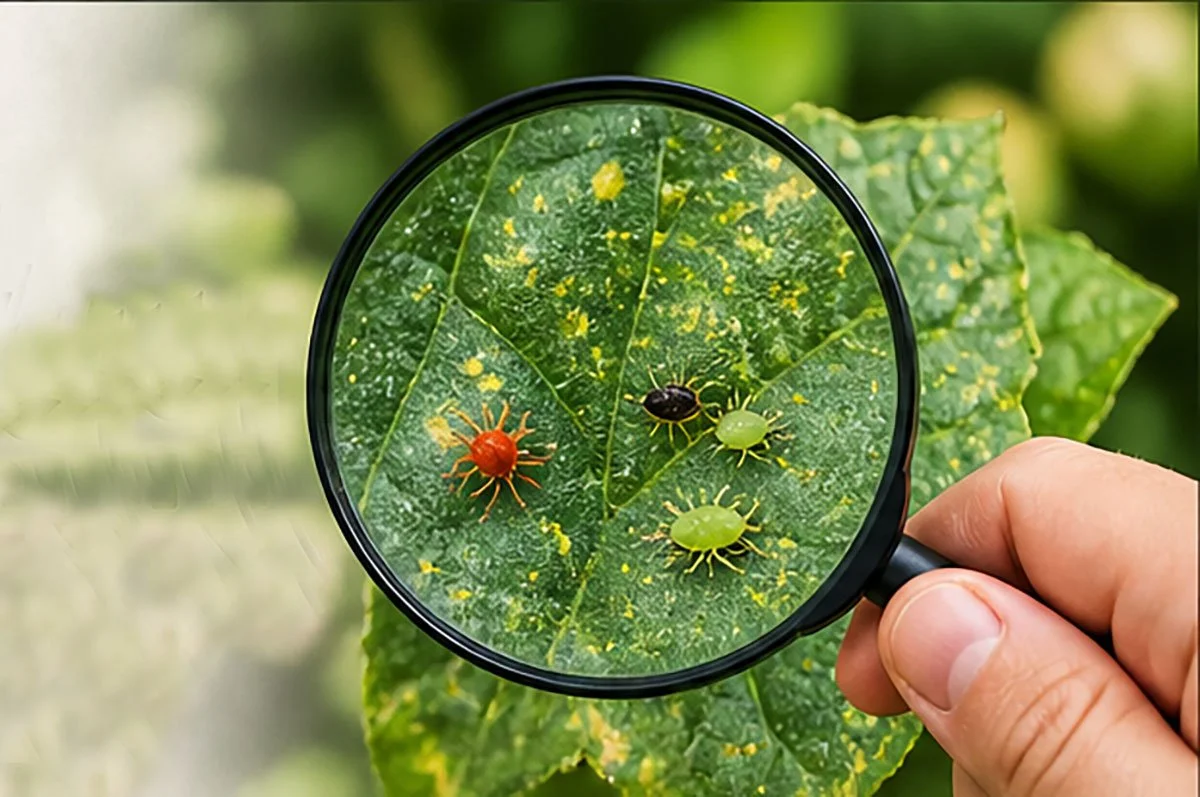
Tiny yellow or white speckles/stippling: check undersides for spider mites, especially in hot, dry weather.
New leaves twisted, curled, narrow, or distorted: possible herbicide drift or exposure.
Whole plant wilts during hot afternoons but perks up at night: often heat or water stress.
Wilting plus yellowing lower leaves and brown streaking inside the stem is possible Fusarium wilt. Fruit symptoms
Brown or black sunken spot on bottom of fruit: blossom-end rot, often related to uneven watering and calcium movement, not necessarily lack of calcium in the growing medium.
Pale, papery, sunken patches on fruit: sunscald.
Cracking fruit: often uneven watering after dry periods.
Cucumbers
Leaves look pale, yellow, wilted, or spotted. The University of Maryland’s cucumber guide lists mosaic/mottling, distortion, curling, mildew symptoms, mite injury, and bacterial wilt as common cucumber issues.
Yellow or green mottled “mosaic” pattern, curled or distorted leaves, stunted growth: possible virus.
Yellow stippling or dusty-looking leaves: check for spider mites.
Yellow angular spots on leaves, especially with humid weather: possible downy mildew.
White powdery coating on leaves: powdery mildew.
Sudden wilting of leaves or vines, especially after cucumber beetles are present: possible bacterial wilt.
Chewed leaves or scarred stems: inspect for cucumber beetles.
Squash, Zucchini, Melons
Leaves, pale, wilted, damaged
Maryland Extension notes spider mites can affect vine crops such as melons and cucumbers, causing yellow-white stippling; heavy feeding can turn leaves pale, dry, and cause leaf drop, especially in hot, dry weather.
Large leaves wilt in afternoon but recover by evening: often heat stress, especially during mid-summer.
Leaves stay wilted in the morning: check for squash vine borer, root damage, bacterial wilt, or severe drought.
Yellow-white stippling that spreads across leaves: check for spider mites; they commonly flare in hot, dry weather on vine crops.
White powdery patches: powdery mildew.
Yellow or green mosaic pattern with distorted leaves: possible virus.
Ragged holes or chewing: look for squash bugs, cucumber beetles, or caterpillars.
Beans
Leaves look pale, curled, scorched, chewed
Maryland Extension notes anthracnose can cause soft, sunken, dark spots on vegetables, including bush bean pods, and also notes bean leaf beetles as a snap bean pest.
Fine yellow stippling, bronzing, or dusty-looking leaves: check for spider mites.
Leaf edges look yellow, brown, or burned: possible leafhopper injury, drought stress, salt stress, or heat stress.
Holes chewed in leaves: check for bean leaf beetles, Mexican bean beetles, caterpillars, or slugs.
Leaves curled or distorted: look for aphids, herbicide drift, or virus-like symptoms.
Soft, sunken, dark spots on pods: possible anthracnose. Peppers: Leaves look pale, curled, or stunted
Pale green or yellow leaves with slow growth: possible root stress, water stress, cool nights, heavy fruit load, or pest pressure.
New leaves curled, puckered, or distorted: check for aphids, mites, thrips, or herbicide drift.
Leaves drop suddenly: water stress, heat stress, or root problems.
Tiny pale speckles or bronzing: check for mites.
Silvery streaking or scarring on leaves or fruit: possible thrips.
Fruit symptoms
Pale, papery, sunken patches: sunscald.
Dark, sunken spot on blossom end: blossom-end rot, often tied to uneven watering.
Misshapen or small fruit: heat stress, poor pollination, pest feeding.
Eggplant: Leaves look pale, spotted, or chewed
Many tiny round holes: flea beetles are common on eggplant.
Yellow-white stippling or bronzing: check for spider mites.
Leaves curling or distorted: possible aphids, mites, herbicide drift, or heat stress.
Wilting during heat but recovering later: often temporary heat stress.
Wilting that does not recover: check roots and stems; ask Extension about wilt disease or root damage.
Basil and herbs: Leaves look pale, spotted, distorted
Pale yellowing between veins, especially with gray-purple fuzzy growth underneath: possible basil downy mildew.
Brown or black spotting: possible leaf spot disease, cold injury, or water sitting on leaves.
Leaves cupped, curled, or distorted: aphids, mites, thrips, herbicide drift, or heat stress.
Plant gets woody, stretched, or stops producing tender leaves: it may be flowering or past its prime; regular harvesting helps.
Lettuce & leafy greens: Leaves look pale, bitter, limp, stretched
Plants stretch upward and taste bitter, bolting from heat & long days.
Leaves wilt in afternoon: heat stress or shallow roots drying out.
Leaf edges brown: heat, drought, salts, or uneven watering.
Yellow older leaves: normal aging, crowding, water stress, disease.
Holes in leaves: check for slugs, flea beetles, caterpillars, or grasshoppers.
Brassicas: kale, cabbage, collards, broccoli
Ragged holes or green pellets of frass: cabbageworms or caterpillars.
Tiny shot holes: flea beetles.
Lower leaves yellowing: normal aging, water stress, crowding, or disease.
Leaves wilt during heat but recover later: heat stress.
Distorted new growth: aphids, especially tucked into curled leaves or growing tips.
Yellow V-shaped patches from leaf edges on cabbage-family crops: ask Extension about black rot.
Alliums – onions, garlic, leeks, scallions: Leaves look pale, streaked, or collapsing
Whitish or silvery streaks on leaves: possible thrips feeding.
Leaf tips brown: heat stress, drought stress, salt stress, or natural maturation depending on crop stage.
Plants collapse or rot near base: possible bulb rot, excess moisture, or disease.
Yellowing from oldest leaves late in season: may be normal maturing, especially for onions and garlic.
General symptom words gardeners can use
Use these words when contacting the Extension:
Wilting: Does it happen only in afternoon, or all day?
Yellowing: Is it older lower leaves, new growth, one side of the plant, or the whole plant?
Stippling: Tiny pale dots, often from mites or insects.
Mosaic/mottling: Patchy yellow-green pattern, often virus-related.
Scorch: Brown crispy edges or tips.
Distortion: Twisted, curled, cupped, narrow, or puckered leaves.
Spots/blotches: Note color, shape, rings, yellow halos, and whether they start low on the plant.
Chewing damage: Holes, ragged edges, missing leaves, or frass.
Fruit load: Too many ripe or overripe fruits left on the plant can stress some crops.
Recovery pattern: Plants that perk up by evening may be heat stressed; plants that stay wilted need closer inspection.
A good email to Extension could say: “My cucumber leaves have yellow-green mottling and some leaves are curled. It started on July 20. The plant is watered every morning, does not recover fully at night, and I saw cucumber beetles last week. Photos attached: whole plant, top of leaf, underside of leaf, and nearby plants.”
Swede Midge Fly
Swede midge attacks only brassica veggies, and is often mistaken for nutrient problems, heat stress, herbicide drift, mechanical damage, or “weird growth.” Deep Roots is experimenting with the best ways to protect brassicas with bug netting. It is very tiny and is blown in by the wind. It over-winters in the soil. Agricultural science has only a very toxic herbicide that kills it. See our Swedish Midge Fly blog post for more details.
Club Root attacks broccoli roots
Deep Roots recommends NOT to grow broccoli in Chicago area gardens. Clubroot is not a quick, one-season problem. Illinois Extension says the pathogen can survive in soil up to 20 years, which is why gardeners may find that broccoli or other brassicas fail repeatedly in the same bed even when compost, watering, and care are good.